As someone who spends a great deal of time analyzing the metrics of cabin life—from construction costs to rental yields—I recently decided to step away from the spreadsheets and immerse myself in the raw, unfiltered experience of the land itself. My tool of choice for this journey was Hipcamp, a platform often described as the "Airbnb of the outdoors." My mission was simple: to spend 30 nights camping solo at various Hipcamp sites across several states, testing the platform's promise of unique, accessible outdoor stays. What I discovered went far beyond a simple accommodation review; it was a masterclass in modern land stewardship, community, and the redefinition of what it means to get away from it all.
First Impressions: Navigating the Digital Gateway to Nature
The initial experience with Hipcamp is overwhelmingly positive for any digitally native traveler. The website and app are clean, intuitive, and visually driven, making the process of dreaming up an adventure almost as enjoyable as the trip itself. The filtering system is exceptionally powerful, allowing you to drill down not just by location and date, but by specific desires like "has swimming hole," "allows campfires," or "offers farm fresh eggs." This level of detail is crucial; it transforms a generic search for "a place to pitch a tent" into a curated hunt for a very specific experience. The map view, which shows available sites as little pins of possibility, is particularly addictive and effective for planning a multi-stop road trip.
The Spectrum of Stay: From Rugged Primitive to Glamping Luxury
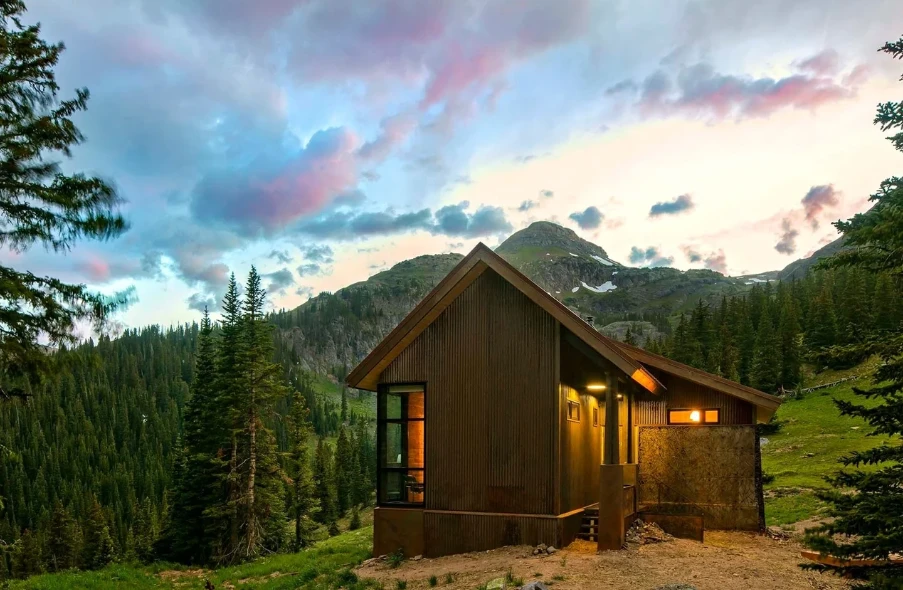
One of the most immediate and striking revelations was the incredible diversity of listings. Hipcamp is not a monolithic platform for one type of camper. Over my 30 nights, I slept in a staggering variety of settings. I spent nights in true "pack-in, pack-out" primitive sites where the only amenity was a fire ring and a breathtaking view. I also experienced the other end of the spectrum: a beautifully appointed canvas tent on a working farm, complete with a real bed, solar-powered lights, and a private outdoor shower. This spectrum is Hipcamp's greatest strength. It democratizes outdoor access, welcoming both the hardened backpacker and the glamping novice, and allows you to choose your own level of adventure and comfort for each unique trip.
The Human Element: Hosts as the Heart of the Experience
If traditional campgrounds are anonymous, Hipcamp is deeply personal. The platform’s true magic lies in its hosts. These are landowners—farmers, ranchers, artists, and nature lovers—who are personally invested in sharing their slice of the world with you. I was greeted not by a camp office, but by a wave from a tractor, a shared cup of coffee, or a handwritten note left on the picnic table. One host gave me a tour of his organic orchard; another offered fresh milk from her family's dairy cow. This human connection transforms a simple camping spot into a meaningful encounter. You're not just a customer; you're a guest on someone's land, and that subtle shift in dynamic makes all the difference.
The Solitude Quotient: Privacy Versus Traditional Campgrounds
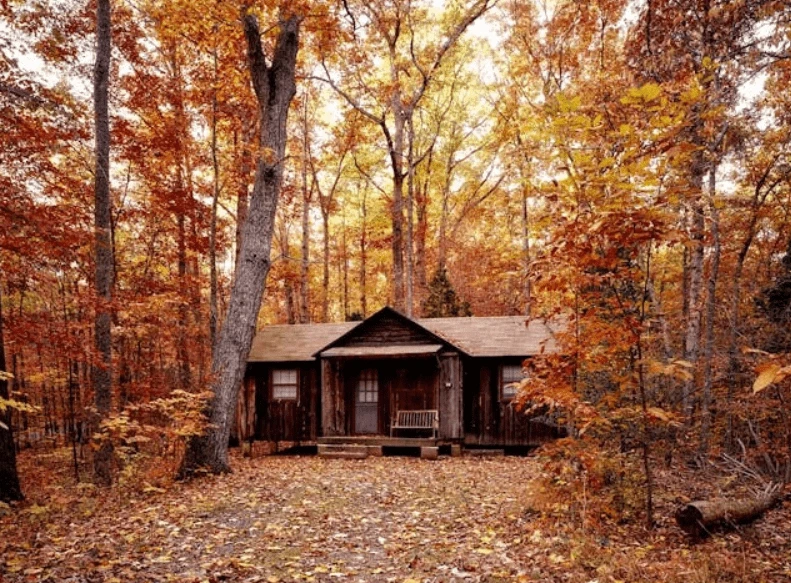
Coming from a background of often-crowded state park campgrounds, the privacy offered by most Hipcamp review sites was nothing short of revolutionary. Instead of being nestled in a numbered slot with neighbors a stone's throw away, my sites were typically vast, secluded fields, private corners of a forest, or hidden meadows. The "solitude quotient" was exceptionally high. The soundscape was dominated by wind, wildlife, and crackling firewood, not the generator from the next site over or someone else's bluetooth speaker. For a solo traveler, this privacy was both empowering and deeply peaceful, offering the mental space and quiet that is so often the entire point of seeking nature in the first place.
Navigating the Unpredictable: The Reality of Rural Amenities
A crucial lesson, and one that prospective Hipcampers must internalize, is to manage expectations regarding amenities. While the platform's filters are excellent, the definition of "running water" or "toilet" can vary wildly. A toilet might be a pristine composting loo, a simple outhouse, or a basic bucket setup. "Running water" could mean a modern sink, a shared spigot a five-minute walk away, or a jug of spring water left for you. I learned to read the descriptions and reviews with a forensic eye, and to always pack my own backup supply of water and toilet paper. This isn't a drawback; it's part of the adventure. Embracing this variability is key to a successful trip.
The Trust Economy: Safety and Etiquette as a Solo Camper
As a solo traveler, safety and the framework of trust were paramount. The Hipcamp system, with its verified profiles, review system, and clear communication channels, fostered a strong sense of security. I always shared my site location and host contact information with a friend back home. Furthermore, a surprising and welcome insight was the unspoken etiquette that permeates the Hipcamp community. There's a mutual respect between guests and hosts—a understanding that we are temporary stewards of these precious places. This manifests in practices like adhering strictly to "Leave No Trace" principles, respecting quiet hours without being asked, and following specific land guidelines provided by the host.
Beyond the Tent: Unforgettable and Unique Property Features
The properties themselves are the stars of the show, and many offered features no commercial campground could ever replicate. I fell asleep to the sound of alpacas grazing outside my tent on one farm. I spent an evening stargazing from a wildflower meadow that was also a designated wildlife corridor. I camped beside a private, swimmable pond on a homestead, with no other soul in sight. One site offered a "U-Pick" vegetable garden, allowing me to harvest my own dinner. These unique property features are the core differentiator for Hipcamp. They provide a narrative and a connection to the land that turns a camping trip into a memorable story.
The Price of Paradise: Cost Analysis and Perceived Value
The cost of Hipcamp sites can range from very affordable to surprisingly pricey, especially for some of the more developed glamping options. However, my analysis shifted from a pure cost-per-night calculation to a measure of perceived value. A $40 nightly fee for a noisy, crowded commercial campground feels like a poor value. That same $40 for a private, sprawling piece of farmland with a pond, a fire pit, and no other guests feels like a steal. You are paying for exclusivity, privacy, and a unique experience, not just a patch of gravel. For the solo traveler, the premium for peace and solitude is often worth every penny.
Lessons from the Road: A Solo Traveler's Packing Revelations
Thirty nights of solo camping across diverse ecosystems was the ultimate packing trial run. I honed my kit to a science. The non-negotiable items that proved their weight in gold were a reliable power bank for phone and headlamp charging, a headlamp itself (hands-free light is essential for solo camp setup after dark), a sturdy multi-tool, and a well-stocked first-aid kit. I also learned the value of "comfort items" for solo travel: a good book, a journal, and a small, lightweight chair that made my campsite feel like a home. Perhaps the most important thing I packed was a flexible and positive mindset, ready to adapt to whatever each new site presented.
The Final Verdict: Redefining the American Camping Trip
After 30 nights and over a dozen different Hipcamps, my conclusion is that the platform is more than just a booking service; it's a movement that is redefining the American camping trip. It successfully decentralizes the outdoor experience, moving it away from overcrowded, reservation-scrambling national parks and into the heart of private, working landscapes. It fosters a beautiful synergy, providing landowners with a new revenue stream that incentivizes conservation while giving travelers access to unparalleled peace and unique adventures. For the solo traveler, it offers a safe, accessible, and profoundly rewarding path to solitude and self-reliance. It’s not just a way to find a place to sleep; it’s a way to find a story worth telling.

























Sign in to leave a comment.