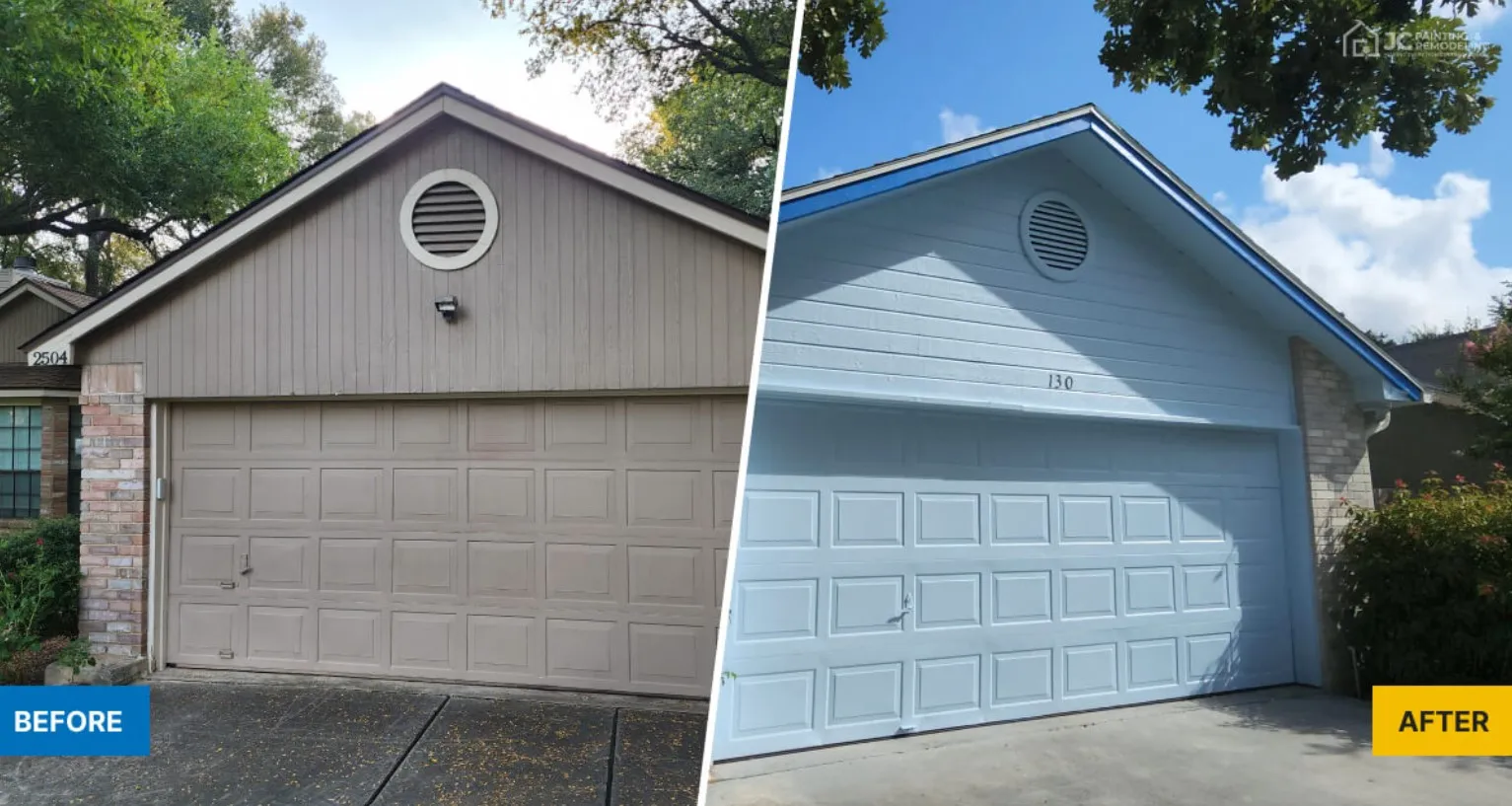

Hiring a painting company is one of the most impactful decisions you can make for your home. A fresh coat of paint can transform a space, boost curb appeal, increase property value, and breathe new life into aging walls. That’s why choosing a trusted team like JC Painting and Remodeling matters. Hire the wrong contractor, and you could end up with peeling finishes, missed deadlines, hidden charges, or even costly damage to your property with no one to hold accountable.
Before you hand over a deposit or put pen to paper, there are critical things every homeowner should verify.
1. Verify Their State License
One of the first things to confirm is whether the painting company holds a valid state-issued contractor's license. Licensing requirements vary from state to state — some require painters to carry a general contractor's license, while others have specific trade licenses for painting contractors.
A licensed contractor means they have met minimum standards set by the state, passed required examinations, and are legally authorized to perform work in your area.
How to verify:
- Ask the contractor directly for their license number.
- Look up the license on your state's contractor licensing board website.
- Make sure the license is current and has not expired or been suspended.
Never hire a painting company that cannot provide proof of a valid license. It is not worth the risk.
2. Confirm They Are Fully Insured
Insurance is non-negotiable. A professional painting company should carry at minimum two types of insurance:
General Liability Insurance — This covers any accidental damage to your property during the project. If a painter knocks over a ladder and damages your hardwood floor, general liability insurance covers the repair costs.
Workers' Compensation Insurance — If a worker is injured on your property, workers' comp ensures you are not held financially responsible for their medical bills or lost wages. Without it, a homeowner can be sued by an injured worker.
How to verify:
- Ask the contractor for certificates of insurance before signing any contract.
- Call the insurance provider directly to confirm the policy is active and covers the dates of your project.
- Make sure coverage limits are adequate for the scope of your job.
3. Check If They Are Bonded
Being bonded is different from being insured. A surety bond protects you financially if the contractor fails to complete the job, abandons the project, or causes financial harm through dishonest acts.
Think of it as a layer of financial protection on top of insurance. A bonded contractor has made a commitment backed by a third-party bonding company.
How to verify:
- Ask for the bond number and bonding company name.
- Verify bond status directly with the bonding company.
- Confirm the bond amount is sufficient for your project size.
4. Review Their Portfolio and Past Work
A reputable painting company will have a portfolio of completed projects. Reviewing their past work helps you assess the quality of their craftsmanship, attention to detail, and range of experience.
Look for:
- Interior and exterior painting examples
- Clean lines around trim, doors, and windows
- Even, consistent coverage without drips or streaks
- Before and after photos that show real transformation
If a company cannot provide photos of past work or references, that is a warning sign.
5. Read Online Reviews and Check Their BBB Rating
Online reviews are one of the most powerful tools at your disposal. Check multiple platforms for a balanced picture:
- Google Reviews — Look at overall star rating and read recent reviews in detail.
- Yelp — Pay attention to how the company responds to negative feedback.
- Better Business Bureau (BBB) — Check their rating, complaints history, and how disputes were resolved.
- Houzz or Angi — Platforms specifically designed for home service professionals.
A few negative reviews are not necessarily a dealbreaker — no company is perfect. What matters is whether the company responds professionally and resolves issues promptly.
Red flags to watch for:
- Pattern of complaints about incomplete work or no-shows
- Accusations of charging for work not done
- Unresolved BBB complaints
- No online presence whatsoever
6. Get Multiple Written Estimates
Never accept a verbal quote. Always get a detailed, written estimate — and get at least three quotes from different companies before making a decision.
A written estimate should include:
- Total project cost broken down by labor and materials
- Brand and type of paint to be used
- Number of coats to be applied
- Surface preparation details (sanding, priming, patching)
- Timeline for project start and completion
- Payment schedule
Be cautious of estimates that are significantly lower than others. Extremely low bids often indicate the use of inferior paint, less experienced labor, or hidden fees that will appear later.
7. Understand the Contract Inside and Out
Before signing anything, read the contract carefully — every line. A professional painting contract should clearly outline:
Scope of Work — Exactly what areas will be painted, what surfaces are included, and what is excluded. Vague language like "paint the interior" is not enough. Rooms, ceilings, trim, doors, and other surfaces should all be specified.
Paint Specifications — The brand, product line, finish type (flat, eggshell, satin, semi-gloss), and number of coats should all be written into the contract. This protects you from a contractor substituting premium paint for a cheaper alternative.
Surface Preparation — Ask whether the scope includes cleaning walls, filling holes and cracks, sanding rough surfaces, caulking gaps, and applying primer. Preparation is often where corners are cut.
Start and Completion Dates — Specific dates, not vague timeframes. Delays cost time and money.
Payment Terms — A standard payment structure requires a deposit (typically 10–30%) upfront, with the balance due upon satisfactory completion. Be wary of contractors who demand more than 50% upfront or who ask for full payment before work begins.
Change Order Policy — Understand how changes to the scope of work will be handled and priced. All changes should be documented in writing before work proceeds.
Warranty Terms — A quality painting company will stand behind their work. Look for a minimum one to two year warranty on labor and workmanship.
8. Ask About Their Paint and Materials
Not all paint is created equal. The quality of the paint used directly impacts the durability, appearance, and longevity of the finished job.
Ask the contractor:
- What brand of paint do you use?
- What product line — contractor-grade or premium?
- Do you use low-VOC or zero-VOC paint options?
- Will you provide leftover paint for touch-ups?
Reputable brands include Sherwin-Williams, Benjamin Moore, Behr, and PPG. Make sure the brand and product are specified in the written contract so there is no room for substitution.
9. Ask About Their Crew and Subcontractors
Some painting companies use subcontractors rather than in-house employees. This is not automatically a problem, but you should know upfront.
Ask these questions:
- Who will actually be doing the work — your employees or subcontractors?
- Are all workers covered by your insurance policy?
- Will the same crew work on my project from start to finish?
- Will a supervisor be on-site?
Consistency matters. A crew that changes mid-project can result in noticeable differences in technique and finish quality.
10. Understand Lead Paint Policies for Older Homes
If your home was built before 1978, there is a chance it contains lead-based paint. Disturbing lead paint during sanding or scraping can create hazardous dust that poses serious health risks, especially for children and pregnant women.
By federal law, contractors working on pre-1978 homes must be certified under the EPA's Renovation, Repair and Painting (RRP) Rule. This certification ensures they follow safe work practices to contain and dispose of lead paint dust properly.
Always ask:
- Are you EPA RRP certified?
- Do you conduct a lead paint test before beginning work?
- How do you handle lead paint removal and disposal?
Do not hire a company that dismisses or downplays lead paint concerns in older homes.
11. Clarify Cleanup and Property Protection
Before work begins, make sure you understand what steps the contractor will take to protect your property and what cleanup looks like when the job is done.
A professional crew should:
- Cover floors and furniture with drop cloths
- Tape off trim, outlets, and fixtures
- Remove or protect light fixtures and hardware
- Clean up paint drips, tools, and debris daily
- Haul away waste materials upon completion
Any company that leaves your home in a mess — splattered floors, paint-stained hardware, or leftover cans scattered around — is not operating professionally.
12. Watch for These Red Flags
Even after doing your research, stay alert during the quoting and contracting process. Walk away if you notice any of these warning signs:
- Unusually low bid with no clear explanation
- Demands full payment upfront before any work begins
- No written contract or pushes to skip documentation
- Cannot provide proof of license or insurance
- No physical business address — operates only from a phone number
- Pressures you to decide immediately with urgency tactics
- Communicates vaguely about materials, timeline, or process
- No online presence, reviews, or references
Trust your instincts. A company that is evasive or dismissive during the quoting phase will not improve once they have your money.
Final Thoughts
Hiring a painting company does not have to be stressful — but it does require due diligence. The right contractor will be transparent, professional, fully licensed and insured, and proud to put everything in writing. They will answer your questions without hesitation and deliver results that exceed your expectations.
Take your time, do your research, compare multiple bids, and never let price be the only deciding factor. A quality paint job done right the first time is always worth the investment.
When you find a company that checks every box on this list, you can sign that contract with complete confidence knowing your home is in good hands.


























Sign in to leave a comment.