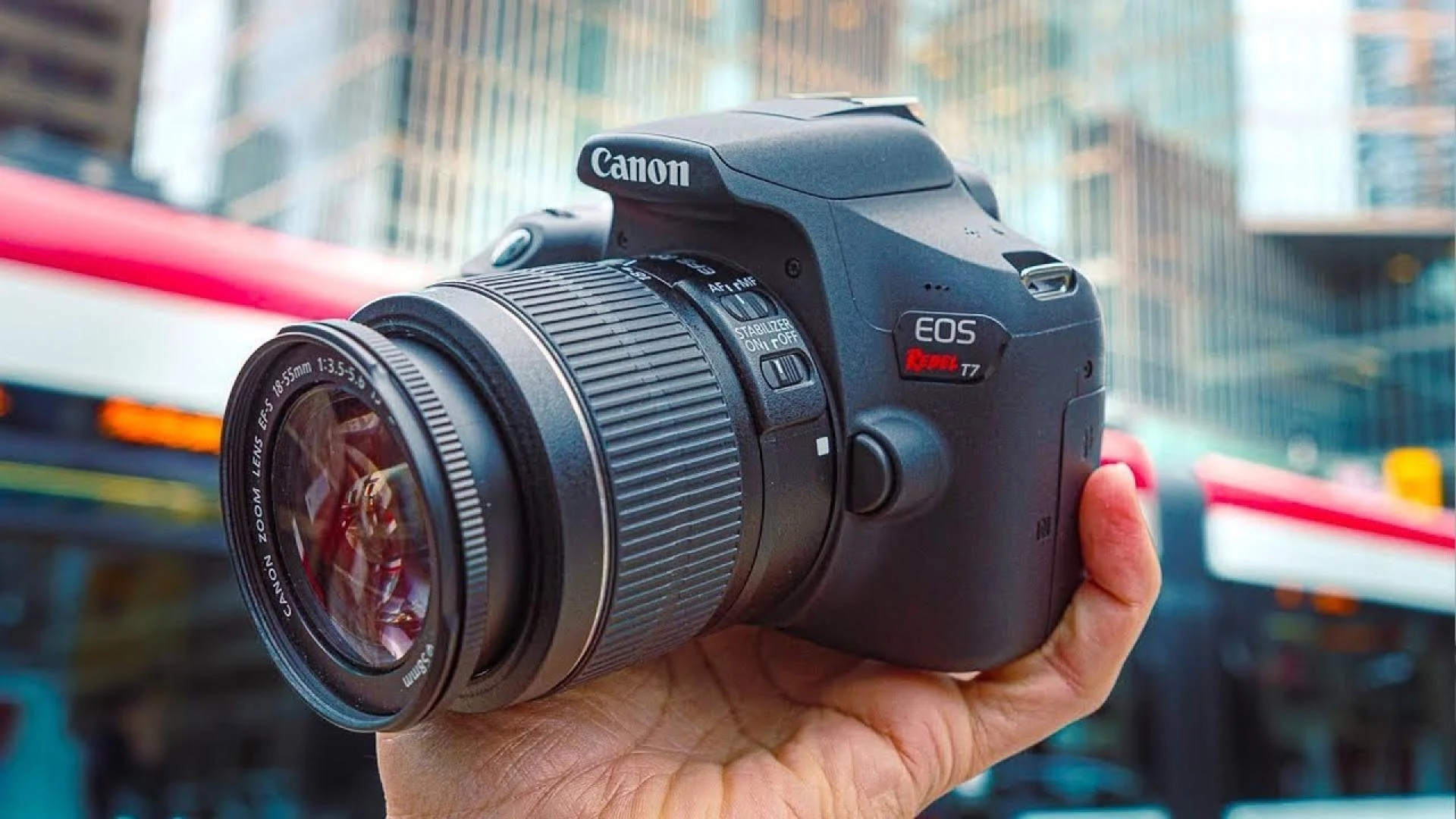

From Curiosity, Light, and Shadow to Modern Protection
The camera did not begin its journey as a tool for safety, evidence, or surveillance, yet today it sits at the center of Commercial security systems and Professional 24/7 home monitoring across the world. What started as a quiet fascination with light slowly evolved into technology trusted to watch over homes and businesses. At United Security Systems, the camera’s long history explains why modern visual protection is built on centuries of human curiosity.
Long before cameras were mounted on walls or connected to networks, they existed only as ideas. Thinkers, artists, and scientists all wondered how the world could be seen, reflected, and remembered. The history of the camera is not just technical progress; it is the story of how humans learned to observe reality with confidence.
The Moment Light Revealed Its Secret
When Shadows Spoke Without Words
Thousands of years ago, early civilizations noticed something extraordinary. When sunlight passed through a small hole into a dark space, it formed an upside-down image of the outside world. Ancient Chinese philosophers and Greek scholars observed this phenomenon with deep fascination.
They did not yet imagine machines or devices. Instead, they realized that light itself carried information. Reality could be projected without hands, marking humanity’s first step toward visual reproduction.
The Birth of the Camera Obscura
This phenomenon later became known as the camera obscura, meaning “dark room.” It was not a camera as we know it today, but it behaved like one. Light entered through a pinhole and painted a clear image on a surface.
Renaissance artists used camera obscuras to study perspective and proportion. Although these images could not be preserved, the idea that reality could be visually copied changed art and science forever.
Science Gives Vision a Structure
Ibn al-Haytham and the Truth About Sight
In the 10th century, the scholar Ibn al-Haytham revolutionized the understanding of vision. He proved that light reflects from objects and enters the eye, challenging long-held beliefs about how sight worked.
His experiments refined the camera obscura and gave it scientific credibility. Vision was no longer mysterious. It followed rules, and those rules could be used to create tools.
From Philosophy to Experiment
Al-Haytham’s work inspired generations of scientists. Lenses improved, optical studies expanded, and dark rooms became experimental spaces rather than curiosities.
The idea of capturing light permanently began to feel possible. The camera had not yet arrived, but its future was being shaped.
Capturing Light Forever
Niépce and the First Photograph
In the early 19th century, Joseph Nicéphore Niépce captured the first permanent photograph. Using a metal plate coated with light-sensitive material, he recorded an image that required hours of exposure.
The photograph was faint, yet historic. For the first time, light left a lasting mark. Reality no longer disappeared when the light faded.
Why Permanence Changed Everything
This breakthrough transformed humanity’s relationship with memory. Images no longer relied on drawing or recollection. They existed independently.
Photography became a new language, capable of preserving truth without interpretation.
Photography Steps Into Society
The Daguerreotype Revolution
Louis Daguerre improved Niépce’s process and introduced the daguerreotype in 1839. Exposure times shortened, and image clarity improved dramatically.
Photography studios quickly appeared in cities. Ordinary people lined up to capture their likeness. The camera had entered public life.
A Visual Identity Is Born
For the first time, people could own accurate images of themselves. Identity and legacy became visual.
Photography moved beyond science and became part of everyday culture.
Making the Camera Human
Film Changes Everything
Early photography relied on heavy plates and complex processes. That changed with the invention of photographic film. Flexible materials replaced glass and metal, making cameras portable.
George Eastman’s Kodak camera simplified photography. Users pressed a button, and the camera handled the rest.
Everyday Life Through a Lens
Families began recording birthdays, holidays, and daily moments. Photography became emotional and personal rather than formal.
This habit of constant recording reshaped how people valued memory and presence.
Precision Builds Trust
The Rise of 35mm Cameras
In the early 20th century, 35mm film transformed camera design. Cameras became compact, fast, and reliable.
Photojournalists captured history as it unfolded. Cameras became witnesses rather than storytellers after the fact.
Seeing Exactly What Matters
Single-lens reflex cameras allowed photographers to see exactly what the lens captured. Accuracy improved, and confidence grew.
These qualities—clarity, reliability, and precision—remain essential in modern camera systems.
Cameras and the Weight of Truth
War Through the Lens
Cameras documented wars, revolutions, and social movements. Images carried emotional truth that words could not fully express.
Photographs shaped public opinion and preserved evidence. The camera gained moral authority.
From Witness to Protector
As cameras proved their ability to document truth, their potential to prevent harm became clear. Watching could deter wrongdoing.
The camera’s role quietly expanded from observer to guardian.
The Digital Transformation
Film Steps Aside
The late 20th century brought digital sensors that replaced film. Images became electronic data rather than physical negatives.
Photos could be reviewed instantly, stored endlessly, and shared globally. Photography changed overnight.
Cameras Become Connected
Digital cameras joined computers, networks, and the internet. They were no longer standalone devices.
This shift made modern monitoring systems possible, including those used by United Security Systems.
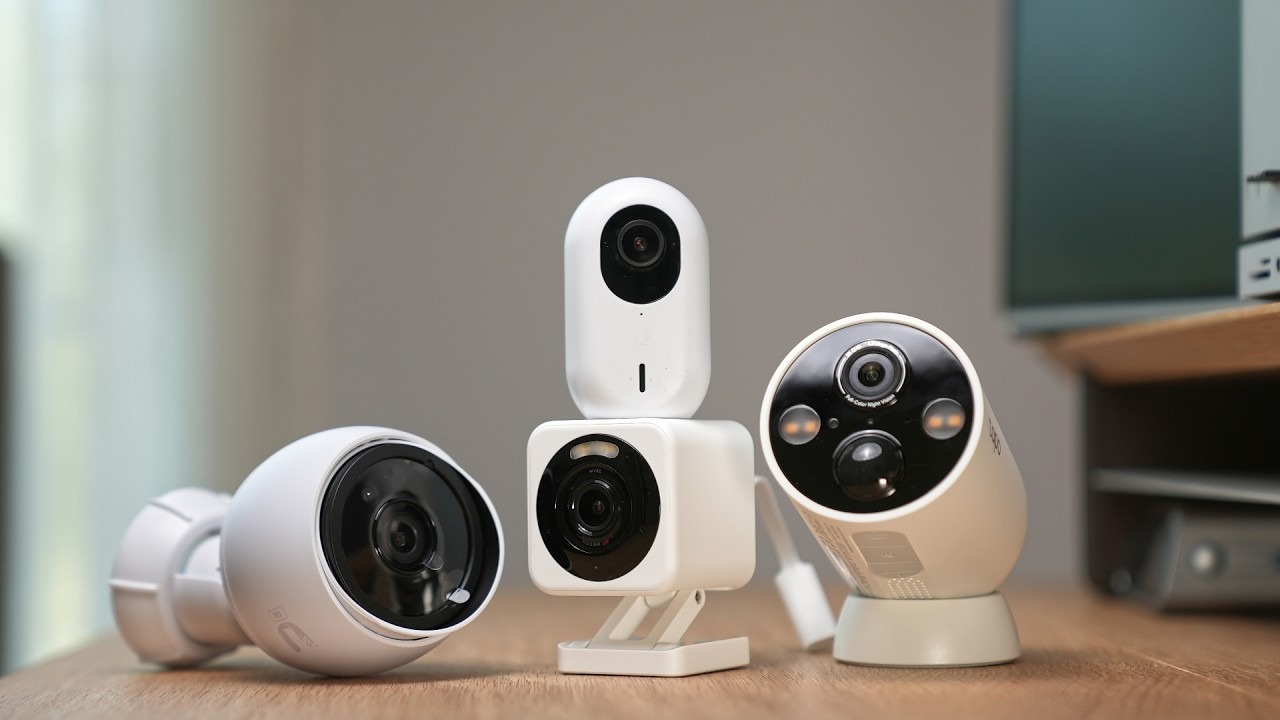
Cameras in Daily Life
Smartphones and Constant Vision
Smartphones placed powerful cameras in billions of pockets. Photography became instant and continuous.
Cameras faded into the background while their presence became universal.
Security as a Daily Expectation
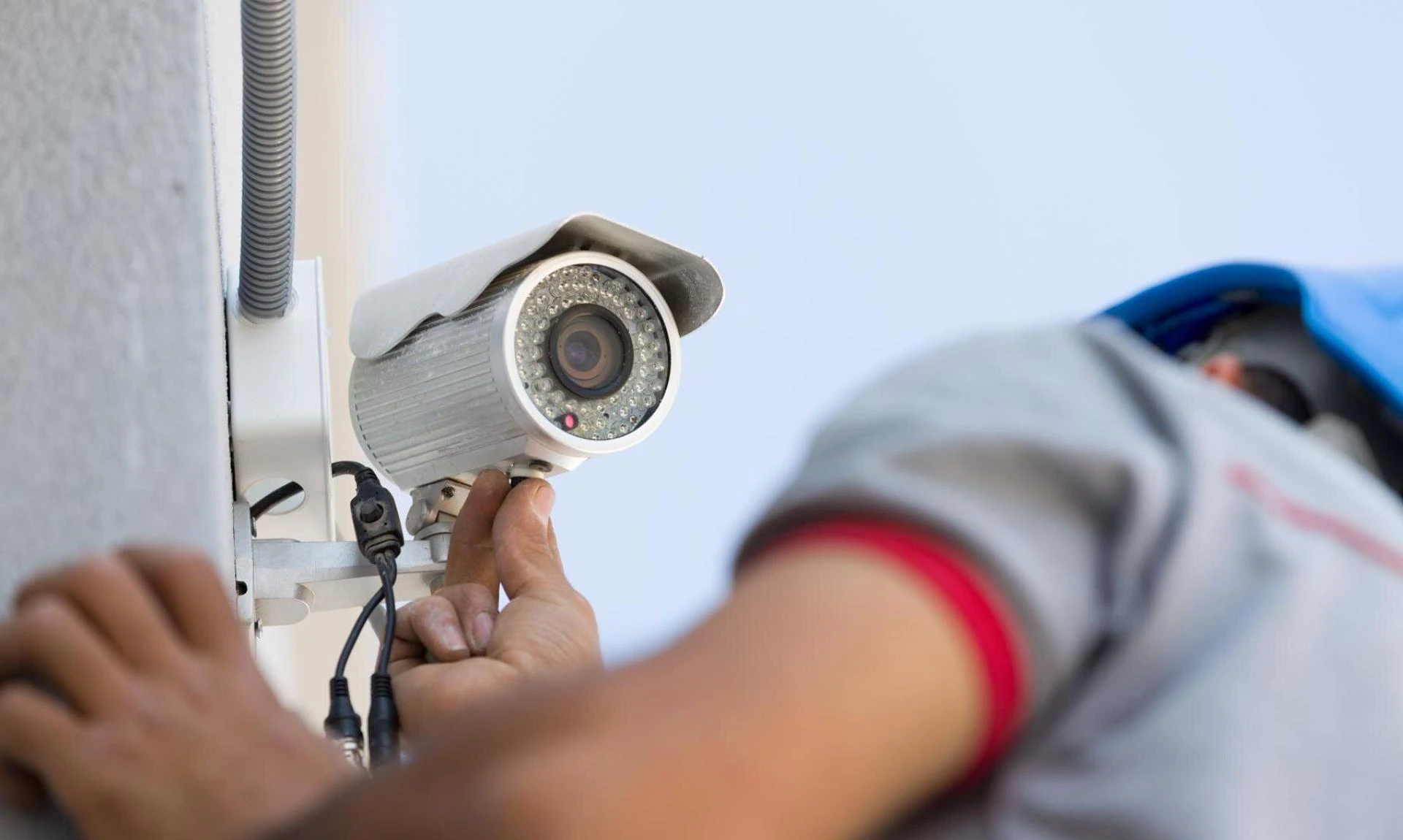
Homes and businesses embraced cameras for protection. Visual monitoring became part of everyday life.
In Professional 24/7 home monitoring, cameras protect families around the clock. In Commercial security systems, they safeguard assets and operations without pause.
Intelligence Behind the Lens
Cameras That Analyze
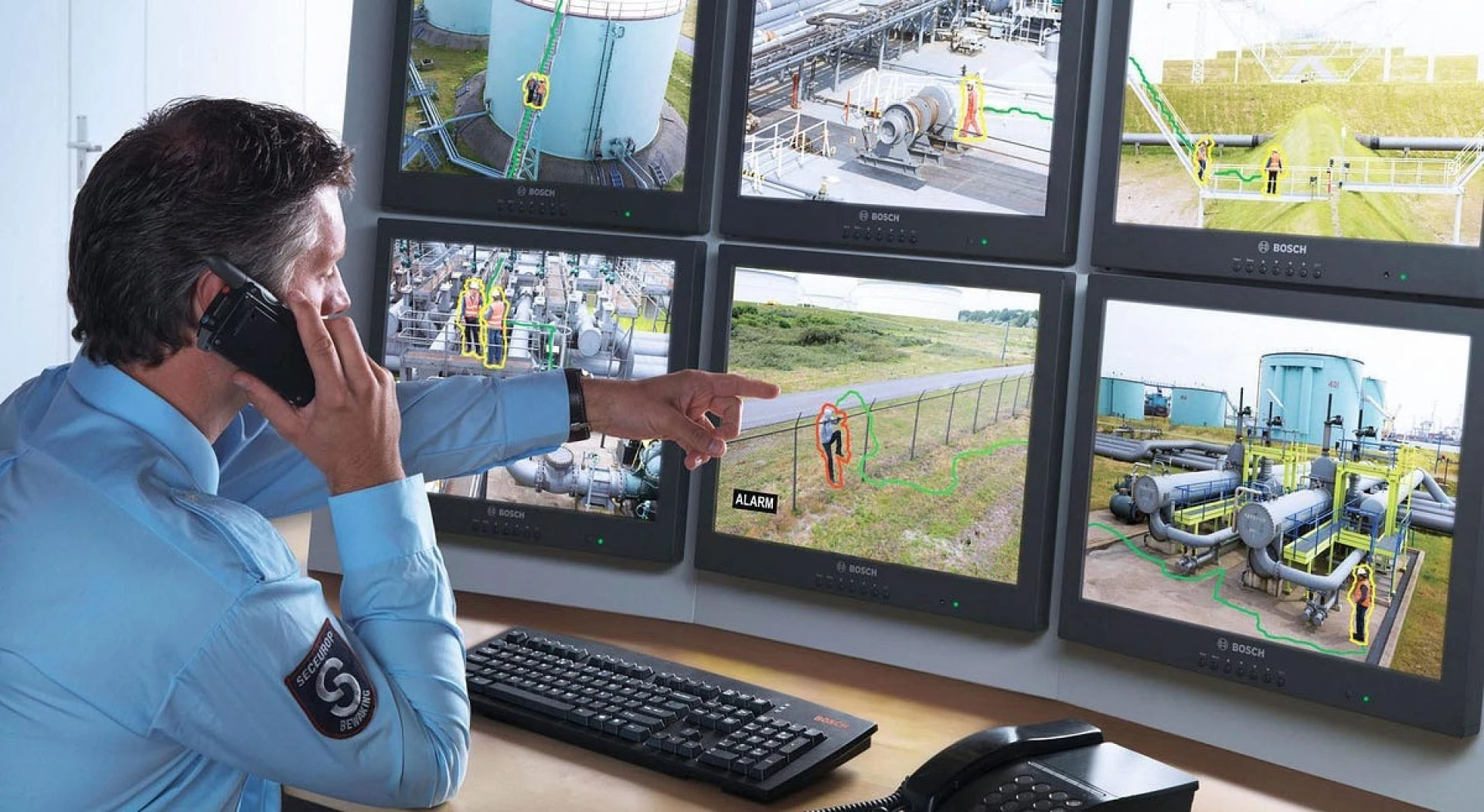
Modern cameras do more than record footage. They detect movement, recognize patterns, and analyze behavior.
Artificial intelligence has transformed cameras into active systems rather than passive observers.
Prevention Over Reaction
The goal is no longer just evidence after an incident. It is prevention, awareness, and peace of mind.
The camera has become both an eye and a decision-maker.
A Legacy Still Unfolding
From Shadows to Systems
The history of the camera is a story of patience and progress. Each generation built upon curiosity and discovery.
What began as shadows on a wall now protects lives and livelihoods.
United Security Systems and the Modern Camera
At United Security Systems, cameras represent centuries of human effort to see clearly and protect what matters.
Every lens carries the past into the future.
Conclusion: The Human Eye, Extended
The history of the Camera mirrors humanity’s desire to see, remember, and stay safe. It is both deeply technical and profoundly human.
From dark rooms to intelligent monitoring networks, the camera continues to evolve. Light enters, truth emerges, and the world remains watchful—one captured moment at a time.




Sign in to leave a comment.