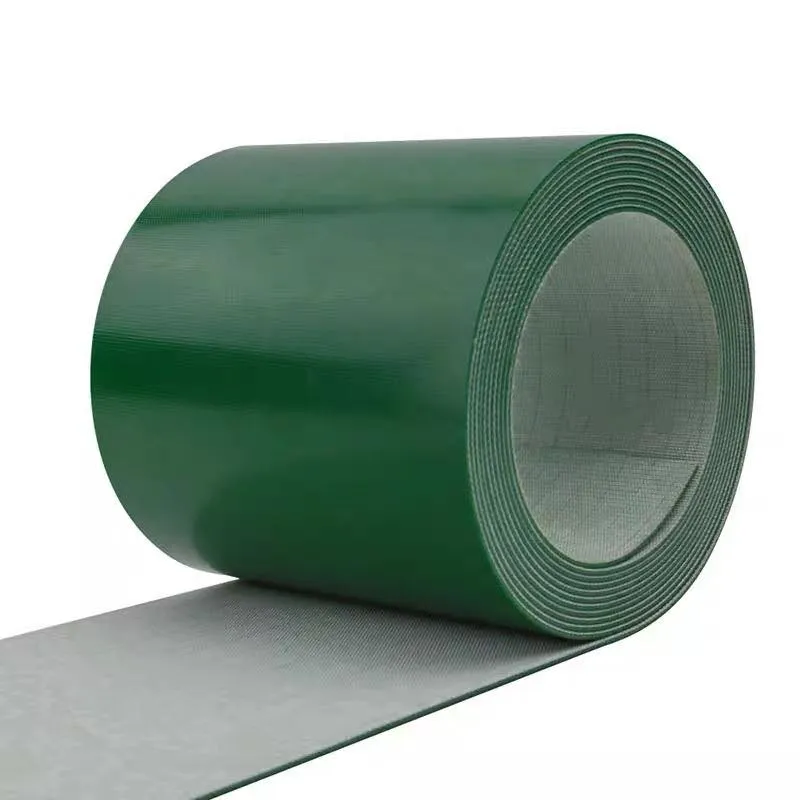
In industrial conveyor systems and material handling applications, the importance of a reliable, durable belt cannot be overstated. Among the various belt types available, the Homogeneous Belt has gained widespread recognition for its uniform structure, consistent strength, and smooth surface finish, all of which contribute significantly to efficient and trouble-free operation. However, to fully leverage the advantages of a homogeneous belt, proper maintenance is essential.
At Shanghai Puteken Transmission System Co., Ltd., we have extensive experience in supplying and supporting homogeneous belts tailored to meet diverse industrial needs. Nonetheless, even the highest-quality belts require regular care and attention to ensure maximum longevity and optimal performance. Without an effective maintenance regime, inevitable wear and tear can accelerate belt degradation, resulting in unexpected downtime, increased costs, and reduced productivity.

This informative guide will walk you through practical, proven maintenance tips aimed at maximizing the durability and performance of your homogeneous belt systems. From routine inspections to cleaning protocols and troubleshooting common issues, the recommendations below reflect best practices backed by industry expertise.
Understanding the Unique Characteristics of Homogeneous Belts
Before diving into maintenance techniques, it is crucial to appreciate what makes the homogeneous belt distinct. Unlike composite or layered belts, a homogeneous belt is made from a single, uniform material throughout its cross-section. This homogeneous structure provides several operational benefits:
- Consistent physical and mechanical properties across the entire belt, resulting in uniform wear and steady frictional characteristics.
- Smooth and flat surface finish that enhances grip and product handling without damage, particularly advantageous in packaging, printing, and light manufacturing sectors.
- Excellent dimensional stability, which minimizes stretch and deformation during prolonged use.
- These inherent strengths make the homogeneous belt a preferred choice for conveyors requiring precision and reliability. However, the same characteristics also demand careful maintenance to avoid premature surface damage and loss of uniformity.
Essential Maintenance Tips to Extend Homogeneous Belt Life
Now that the foundational understanding is clear, let’s explore the best practices to maintain a homogeneous belt and thereby maximize its operational life:
1. Conduct Regular Visual Inspections
Regular inspection is the first line of defense against belt failure. Look out for common signs of wear such as cracks, fraying edges, uneven surface wear, or contamination. Early detection allows quick action before minor issues escalate.
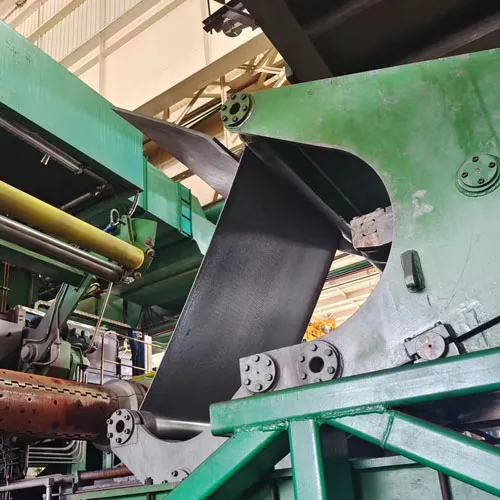
Using a systematic inspection checklist ensures consistency. Pay special attention to areas near pulleys and impact zones, as these are prone to increased mechanical stress.
2. Maintain Proper Belt Tension and Alignment
Incorrect tension and misalignment can accelerate belt wear and reduce efficiency. Too much tension stresses the belt material and bearings, while too little tension causes slippage and uneven wear.
At Shanghai Puteken Transmission System Co., Ltd., we emphasize adhering strictly to manufacturer tension specifications and verifying alignment regularly using tension gauges and alignment tools.
3. Prevent and Remove Contaminants
Contaminants such as oils, grease, dust, and moisture can degrade belt surfaces and affect adhesion. Routine cleaning using manufacturer-recommended methods helps maintain surface integrity. Avoid harsh chemicals that may damage the homogeneous belt’s composition.
In addition, install protective guards or covers around sensitive sections of the conveyor to prevent contaminant ingress.
4. Lubricate Moving Components, Not the Belt
While the belt itself generally requires no lubrication, the adjacent components like bearings, shafts, and pulleys might. Ensuring these parts are well lubricated reduces strain on the belt and prevents abrasive buildup caused by component malfunction.
However, care must be taken not to allow lubricants to come into contact with the belt’s surface.
5. Monitor and Adjust Operating Conditions
Environmental factors such as ambient temperature, humidity, and exposure to chemicals should be controlled as much as possible. Homogeneous belts perform best in stable conditions; extremes can hasten aging and material fatigue.
Furthermore, continuous monitoring of load and speed ensures the belt operates within design limits, preventing overstress.
Why Proactive Maintenance Matters?
One might wonder why such detailed maintenance is needed for homogeneous belts, which are often touted for their robustness. The answer lies in the harsh and often unpredictable environments industrial belts must endure.
Preventing downtime due to belt failure not only improves operational efficiency but also saves costs linked to emergency repairs and lost production time. Moreover, extending the belt’s service life reduces the frequency of replacements, promoting sustainability and better resource utilization.
Shanghai Puteken Transmission System Co., Ltd. supports all customers with tailored maintenance programs designed to meet their specific operational scenarios, underscoring the value we place on long-term partnerships and customer success.
Conclusion
Proper maintenance of your homogeneous belt is essential to fully realize its benefits of durability, steady performance, and reliability. By implementing consistent inspection routines, ensuring proper tension and alignment, preventing contamination, and managing environmental factors, you safeguard your investment and improve plant productivity.
At Shanghai Puteken Transmission System Co., Ltd., we are committed to providing not only premium quality homogeneous belts but also comprehensive guidance on their upkeep. With the right maintenance strategy, your belts will deliver optimum performance and longevity, strengthening your conveyor systems well into the future.
Frequently Asked Questions (FAQ)
Q1: How often should I inspect my homogeneous belt?
A1: Inspection frequency depends on the application and operating conditions, but a monthly visual check combined with detailed quarterly maintenance is generally recommended.
Q2: Can I clean the belt while it is installed on the conveyor?
A2: Light cleaning can be performed in situ using appropriate solvents, but deep cleaning or replacements are best carried out during scheduled downtime to ensure safety.
Q3: What signs indicate a homogeneous belt needs replacing?
A3: Visible cracks, significant fraying, loss of smooth surface finish, or persistent slipping that cannot be corrected by tension adjustment suggest replacement.
Q4: Are there specific lubricants compatible with homogeneous belt systems?
A4: Lubricants should be selected for use on bearings and pulleys only. Avoid any lubricant contact with the belt surface as it may degrade the homogeneous belt material.
Q5: Does extreme temperature affect homogeneous belts?
A5: Yes, exposure to heat or cold beyond the belt's rated limits can cause material fatigue or brittleness. Monitoring and controlling environmental conditions help prolong belt life.
























Sign in to leave a comment.