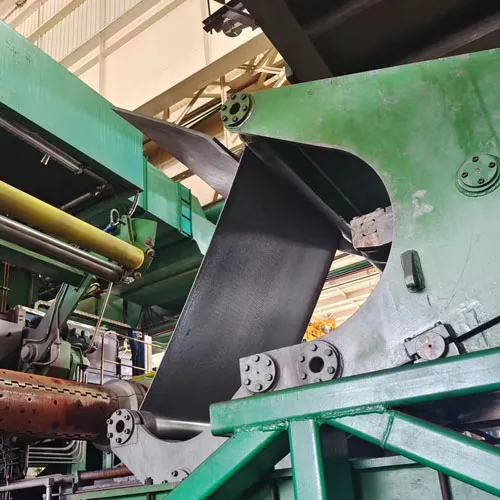
In the bustling world of industrial manufacturing and logistics, efficiency, reliability, and safety are more important than ever. As companies scale up their operations and seek to streamline their packaging lines, the importance of investing in the right equipment becomes clear. One critical but often overlooked component is the coil wrapper belt—an indispensable part of automated coil wrapping systems used in steel, aluminum, cable, and wire industries.
Understanding Coil Wrapper Belts and Their Role
What is a Coil Wrapper Belt?
A coil wrapper belt is a specialized conveyor or drive belt designed for use in coil wrapping machines. These machines automate the process of wrapping steel coils, aluminum coils, copper wires, plastic pipes, or cable reels with protective film or paper, ensuring the finished product arrives intact at its destination.
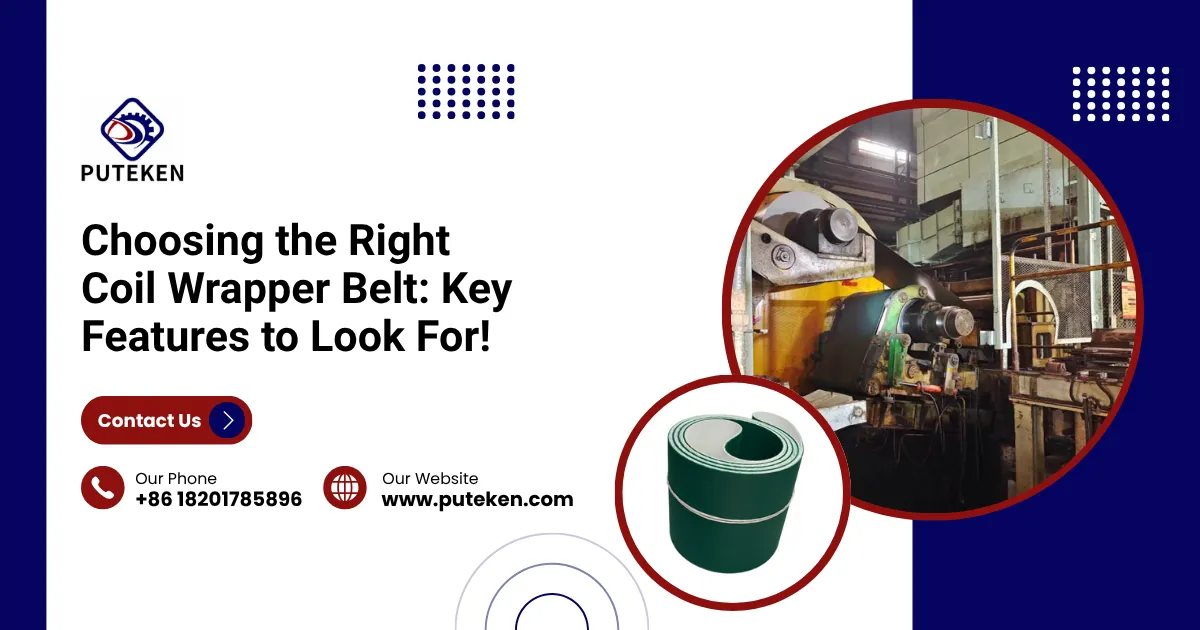
The coil wrapper belt plays a vital role by:
- Providing the grip required to rotate the coil efficiently and evenly during wrapping
- Delivering precise, slip-free performance, even under substantial load
- Withstanding abrasion and friction generated by high-velocity tasks
- Absorbing shocks and vibrations during packaging
The efficiency of a coil wrapper belt can have a dramatic impact on production throughput, packaging quality, and, ultimately, operating costs.
Key Features to Look For in a Coil Wrapper Belt
Selecting the right coil wrapper belt involves evaluating several critical features. Below, we discuss the most important criteria for your consideration.
1. Material Quality and Durability
Material choice is paramount. The most common materials used in coil wrapper belts include:
- Rubber: Provides excellent grip and shock absorption, making it ideal for heavy-duty wrapping of metal coils.
- Polyurethane (PU): Known for high abrasion resistance and a smooth surface finish, PU belts offer non-marking and long-lasting performance.
- PVC (Polyvinyl chloride): Suitable for lighter-duty applications where cost efficiency is more important than heavy abrasion resistance.
- Fabric Reinforcement: Many belts are reinforced with high-strength polyester or aramid fibers to enhance tensile strength and stability.
Durability is especially crucial in heavy industries, where belts are subjected to continuous, high-load operations. Always opt for a coil wrapper belt that can withstand not only the day-to-day stresses but also accidental overloads.
2. Surface Pattern and Coating
The surface design of your coil wrapper belt affects both performance and product safety. Popular patterns and coatings include:
- Rough Top / Chevron / Diamond Patterns: Improve grip on smooth metal surfaces, minimizing slippage during wrapping.
- Smooth Coating: Reduces marking or scratching—essential when wrapping delicate or pre-painted coils.
- Anti-static or Non-marking Coatings: Prevent dust build-up and surface contamination, ensuring pristine coil appearance.
Consider your product’s surface sensitivity when selecting the appropriate surface pattern.
3. Tensile Strength and Flexibility
A high tensile strength means the coil wrapper belt can bear heavier loads without stretching or breaking, which is vital for large steel or aluminum coil packaging. Simultaneously, the belt should offer sufficient flexibility to navigate the machine’s drive pulleys and idler rollers without kinking or deforming.
Technical specifications such as maximum tensile load, elongation percentage, and minimum pulley diameter are essential data points to review in product datasheets.
4. Resistance to Abrasion and Chemicals
Since coil wrapper belts endure repetitive motion against sharp or abrasive coil edges, they must offer excellent resistance to abrasion. If you're wrapping coils that may have surface lubricants, oils, or cleaning chemicals, ensure the belt’s material is resistant to these agents. Otherwise, premature degradation and frequent replacements will increase your ownership costs.
5. Seamless Joint Technology
A seamless or high-precision joint ensures there are no weak points in the belt. Look for belts with:
- Endless Construction: No joint, providing excellent strength and running stability
- High-quality Mechanical or Vulcanized Joints: Engineered to optimize belt strength and minimize bumps or uneven movement
A subpar joint is prone to early failure and may cause machine downtime.
6. Compatible Dimensions and Customization
Each coil wrapping machine has specific requirements for belt length, width, and thickness. Moreover, different operations (e.g., cable reel vs. steel coil) may require customized belts. Check:
- Standard sizes: Off-the-shelf options for common machines
- Customization support: Options for bespoke dimensions, reinforced edges, or special coatings
Shanghai Puteken Transmission System Co., Ltd. provides tailored belt solutions to match your unique operational needs.
7. Temperature and Environmental Resistance
Depending on your facility’s environment, your coil wrapper belt might need to function in varying temperatures or humidity levels. Belt material should:
- Remain pliable in cold settings
- Withstand any thermal build-up during high-speed operation
- Resist degradation from ambient oil mist, dust, or chemicals
8. Easy Maintenance and Replacement
The ideal coil wrapper belt should be easy to clean and maintain, with quick-change features to reduce machine downtime. Consider belts that come with clear maintenance guidelines and supplier support.
9. Accredited Quality Standards
Reputable belts will comply with industry quality standards, such as ISO, REACH, or RoHS, reflecting both safety and environmental stewardship.
Comparing Coil Wrapper Belt Types
A. Rubber vs. Polyurethane (PU) Belts
- Rubber belts: Known for superior shock absorption, higher friction, and resilience. Common for large coil wrapping lines and where coil surfaces aren’t very sensitive.
- Polyurethane belts: Offer higher abrasion resistance, smoother finish, and better performance in clean room or food-grade environments.
B. Fabric-Reinforced vs. Solid Belts
- Fabric-reinforced belts: Far stronger; handle higher tensile loads and offer stability in demanding applications.
- Solid belts: Sufficient for smaller coils or where flexibility takes precedence.
Best Practices for Selecting and Operating Coil Wrapper Belts
Once you know what features to look for, put these best practices into action when choosing and using your next coil wrapper belt:
1. Work with Specialized Suppliers
Opt for established suppliers like Shanghai Puteken Transmission System Co., Ltd.: we provide full technical support, site audits, and post-sales service, ensuring you get the correct belt for your system.
2. Prioritize Life-Cycle Cost, Not Just Upfront Price
Cheap belts often mean frequent replacements, higher machine downtime, and potential product damage. Assess the total cost of ownership—premium belts may last many times longer, making them the smarter investment.
3. Insist on Sample Testing
Where possible, request belt samples and test them on your actual equipment. Evaluate performance under real load and cycle conditions.
4. Schedule Preventive Maintenance
Routine inspection and timely tension adjustment can significantly extend the coil wrapper belt’s operational life. Check for cracks, delamination, or unusual wear, addressing issues before they grow into failures.
5. Document Everything
Keep a maintenance and replacement log for all belts used. Analyze failure trends to better predict replacements and optimize procurement planning.
How Shanghai Puteken Transmission System Co., Ltd. Adds Value
At Shanghai Puteken Transmission System Co., Ltd., we combine technical expertise, world-class production capabilities, and customer-centric service. Whether you’re looking for a standard solution or a fully customized coil wrapper belt, our team works closely with you to:
- Match the best belt material and design to your specific application
- Offer custom reinforcement or coating options for unique packaging needs
- Provide rapid delivery and support throughout the belt’s lifecycle
- Help with on-site installation and staff training
Our coil wrapper belts are trusted by major steelworks, cable manufacturers, and logistics companies across the globe. With rigorous quality assurance and a focus on innovation, we ensure every belt delivers maximum reliability, safety, and lifespan.
Investing in the right coil wrapper belt is an essential step in optimizing the reliability, speed, and safety of your packaging operation. By focusing on material quality, surface pattern, tensile strength, abrasion resistance, and supplier support, you ensure long-lasting, trouble-free performance even in the most demanding industrial environments.
Frequently Asked Questions (FAQ)
1. What is the typical service life of a coil wrapper belt?
The average service life depends on the application, coil weight, and operational environment. In general, a premium coil wrapper belt from Shanghai Puteken Transmission System Co., Ltd. can last from 6 months to over 2 years in high-cycle applications, provided it is installed, operated, and maintained correctly.
2. How do I know when to replace my coil wrapper belt?
Watch for reduced grip, visible cracks, frayed edges, inconsistent belt tracking, or frequent slippage—these are all signs it’s time to replace the belt. Scheduled preventive inspections are key.
3. What if my coil wrapper belt keeps slipping?
Slippage can result from low belt tension, contamination (oil, dust), or wear. Check and correct tension, clean the belt and machine surfaces, and inspect for wear or surface hardening.
4. Are all coil wrapper belts suitable for all wrapping machines?
No. Machines do have unique requirements for belt width, length, surface pattern, and material. Always check your machine’s specifications, or contact Shanghai Puteken Transmission System Co., Ltd. for expert matching.
5. Can I customize the coil wrapper belt for my application?
Absolutely. We offer custom lengths, widths, joint styles, surface coatings, and reinforcements tailored to your needs. Feel free to contact us for bespoke solutions.
6. Is there a difference between belts for steel coils and cable reels?
Yes. Steel coil wrapping may need higher abrasion resistance and thicker belts, while cable reels may prefer smoother, non-marking surfaces. Share your application details for the best match.
7. How should I store a spare coil wrapper belt?
Store spares in cool, dry environments away from direct sunlight, chemicals, and sharp objects. Avoid stacking heavy items on top of stored belts to prevent deformation.
8. What maintenance does a coil wrapper belt require?
Regular cleaning, proper tensioning, periodic inspection for damage, and adherence to usage guidelines extend belt life significantly.
9. Do you provide technical support for installation?
Yes. We provide thorough installation guidance and even on-site support for complex configurations, ensuring your coil wrapper belt performs efficiently from day one.
10. How does the choice of joint affect the belt’s performance?
Superior joints assure even rotation and longevity. We typically recommend endless or high-quality vulcanized joints for critical wrapping lines.



























Sign in to leave a comment.