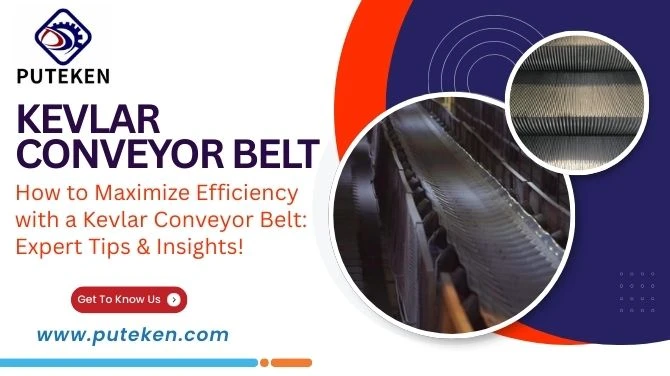
In today’s fast-paced manufacturing and industrial landscape, efficiency is no longer a luxury — it is a necessity. Every component in the production line plays a vital role, and even the smallest element can have a significant impact on productivity and cost-effectiveness. One such often-overlooked yet critical component is the Kevlar Conveyor Belt. At Shanghai Puteken Transmission System Co., Ltd., we specialize in advanced conveyor and transmission belt solutions engineered for durability, precision, and maximum performance. Among our most robust and high-performing products is the Kevlar Conveyor Belt, renowned across multiple industries for its high tensile strength, extreme heat resistance, and remarkable longevity.
Whether you're operating in heavy industrial manufacturing, paper processing, automotive assembly, or any high-temperature environment, integrating a Kevlar Conveyor Belt into your workflow can drastically enhance operational efficiency. However, simply installing a high-quality belt is not enough. To truly reap the benefits, it's essential to understand how to correctly install, maintain, and optimize the performance of your Kevlar Conveyor Belt system.
What is a Kevlar Conveyor Belt?
A Kevlar Conveyor Belt is a specialized belt made using Kevlar fibers — a brand of heat-resistant and strong synthetic fiber known for its use in aerospace, military applications, and high-performance industrial components. Kevlar's exceptional strength-to-weight ratio and thermal stability make it an ideal material for conveyor belts operating in extreme conditions.
At Shanghai Puteken Transmission System Co., Ltd., we design our Kevlar Conveyor Belts with a combination of Kevlar reinforcement and customizable rubber or polymer coatings to meet specific industry needs, such as:
- Heat resistance (suitable for environments up to 480°F / 250°C)
- Abrasion resistance
- High tensile and tear strength
- Flame retardancy
- Chemical resistance
Applications of Kevlar Conveyor Belts
The Kevlar Conveyor Belt is not an industry-exclusive solution — it’s used across a wide range of sectors due to its unique performance attributes. Here are some common industries and applications:
1. Manufacturing & Assembly Lines
Especially in automotive and electronics manufacturing, where durability and precision material handling are crucial.
2. Paper & Pulp Industry
Kevlar belts are ideal for handling hot paper sheets without damage or deformation.
3. Glass & Ceramic Manufacturing
Perfect for high-temperature applications involving fragile or high-density materials.
4. Foundry and Metal Industries
The heat-resistant nature of Kevlar makes these belts suitable for transporting hot, sharp, and heavy materials.
5. Food Processing
In specific high-heat food applications (e.g., baking ovens), Kevlar belts are useful when combined with food-grade rubber.
Advantages of Kevlar Conveyor Belts
Understanding the full spectrum of benefits offered by a Kevlar Conveyor Belt can help you better justify the investment and leverage its features effectively.
1. High Heat Resistance
Kevlar can withstand extremely high temperatures without degradation, making Kevlar belts ideal for continuous operations under thermal stress.
2. Superior Strength with Light Weight
Kevlar is several times stronger than steel by weight, which means you get high tensile strength without adding extra bulk or weight to the mechanism.
3. Reduced Downtime
Kevlar belts require less frequent replacement compared to traditional rubber or cotton belts, thanks to their durability and resistance to stretching, tearing, or fraying.
4. Better Energy Efficiency
Due to their longevity and lower stretch properties, Kevlar Conveyor Belts require less tensioning and adjustment over time, saving both energy and labor.
5. Chemical and Oil Resistance
Kevlar’s composition resists many industrial greases, oils, and chemicals, thus enhancing belt longevity in corrosive environments.
How to Maximize Efficiency with a Kevlar Conveyor Belt?
Now that we understand the exceptional qualities of a Kevlar Conveyor Belt, let’s dive into practical tips to harness its potential fully.
1. Choose the Right Belt for Your Application
Efficiency starts with proper selection. Not all Kevlar Conveyor Belts are created equal. Depending on your application, consider the following:
- Temperature Range: Make sure the belt can withstand maximum operating temperatures.
- Surface Coating: Some applications require non-stick surfaces, ribbed textures for grip, or food-grade coatings.
- Load Requirements: Choose the correct belt thickness and reinforcement style based on the weight and type of material transported.
At Shanghai Puteken Transmission System Co., Ltd., our expert consultants help clients customize Kevlar belts based on operational requirements.
2. Professional Installation
A proper installation is crucial to ensure smooth operation and avoid future issues:
- Check Alignment: Misalignment can cause uneven wear and reduce belt life.
- Tensioning: Over or under-tensioning impacts performance. Use a tension gauge for accuracy.
- Pulley & Roller Compatibility: Ensure your rollers are clean and the right size for the belt’s specs.
3. Schedule Preventive Maintenance
Regular maintenance prevents minor issues from turning into costly breakdowns. Include the following in your maintenance checklist:
- Visual Inspection: Look for signs of wear, fraying edges, or embedded debris.
- Cleaning: Use appropriate cleaners that do not degrade Kevlar fibers.
- Tension Monitoring: Check for proper belt tension to avoid slippage or mechanical strain.
4. Employee Training
Ensure that staff operating and maintaining the belt systems are thoroughly trained:
- Safety Protocols: Kevlar can endure heat, but surrounding mechanisms might not.
- Belt Handling Guidelines: Kevlar belts should not be folded or twisted during maintenance.
- Troubleshooting Awareness: Fast diagnosis reduces downtime.
5. Leverage Data and Monitoring Tools
Integrate smart factory tools to monitor belt health in real-time:
- Use sensors to track belt tension and alignment.
- Employ software for predictive maintenance alerts.
- Log belt usage cycles to estimate performance lifespan.
- Common Challenges and How to Overcome Them
Why Choose Shanghai Puteken Transmission System Co., Ltd.?
With over a decade of experience in conveying and power transmission systems, Shanghai Puteken Transmission System Co., Ltd. is a trusted name among industrial giants across Asia, Europe, and North America.
What Sets Us Apart:
- Customization Capabilities: We offer tailor-made Kevlar Conveyor Belts to match your exact needs.
- Quality Assurance: Each belt undergoes rigorous testing for heat, tensile strength, and chemical resistance.
- Technical Support: Our engineers assist with installation, training, and ongoing operational challenges.
- Sustainability-Focused: Our belts are designed for long life cycles, reducing industrial waste significantly.
Efficiency, durability, and performance — these are the hallmarks of a well-run production facility. By choosing and optimizing a Kevlar Conveyor Belt, you’re investing not just in a belt, but in a long-lasting solution that enhances every part of your operation.
Frequently Asked Questions (FAQ)
Q1: What temperature can a Kevlar Conveyor Belt withstand?
A: Most Kevlar Conveyor Belts can handle temperatures up to 480°F (250°C), depending on the belt’s coating material and construction.
Q2: Can Kevlar Conveyor Belts be used in food processing?
A: Yes. When combined with food-grade coatings like silicone or PTFE, these belts are safe and effective in high-heat food applications like ovens and drying lines.
Q3: How often should the belt be replaced?
A: With proper maintenance, Kevlar Conveyor Belts can last significantly longer than conventional belts — typically 2–5 times longer, depending on application intensity.
Q4: Are Kevlar belts resistant to chemicals and oils?
A: Yes. Kevlar belts are naturally resistant to many industrial oils, chemicals, and greases. However, confirm compatibility with specific substances for optimal durability.
Q5: How can I get a customized Kevlar Conveyor Belt for my facility?
A: Simply contact Shanghai Puteken Transmission System Co., Ltd. with your application details. Our technical team will consult with you and deliver a custom solution tailored to your operational needs.






















Sign in to leave a comment.