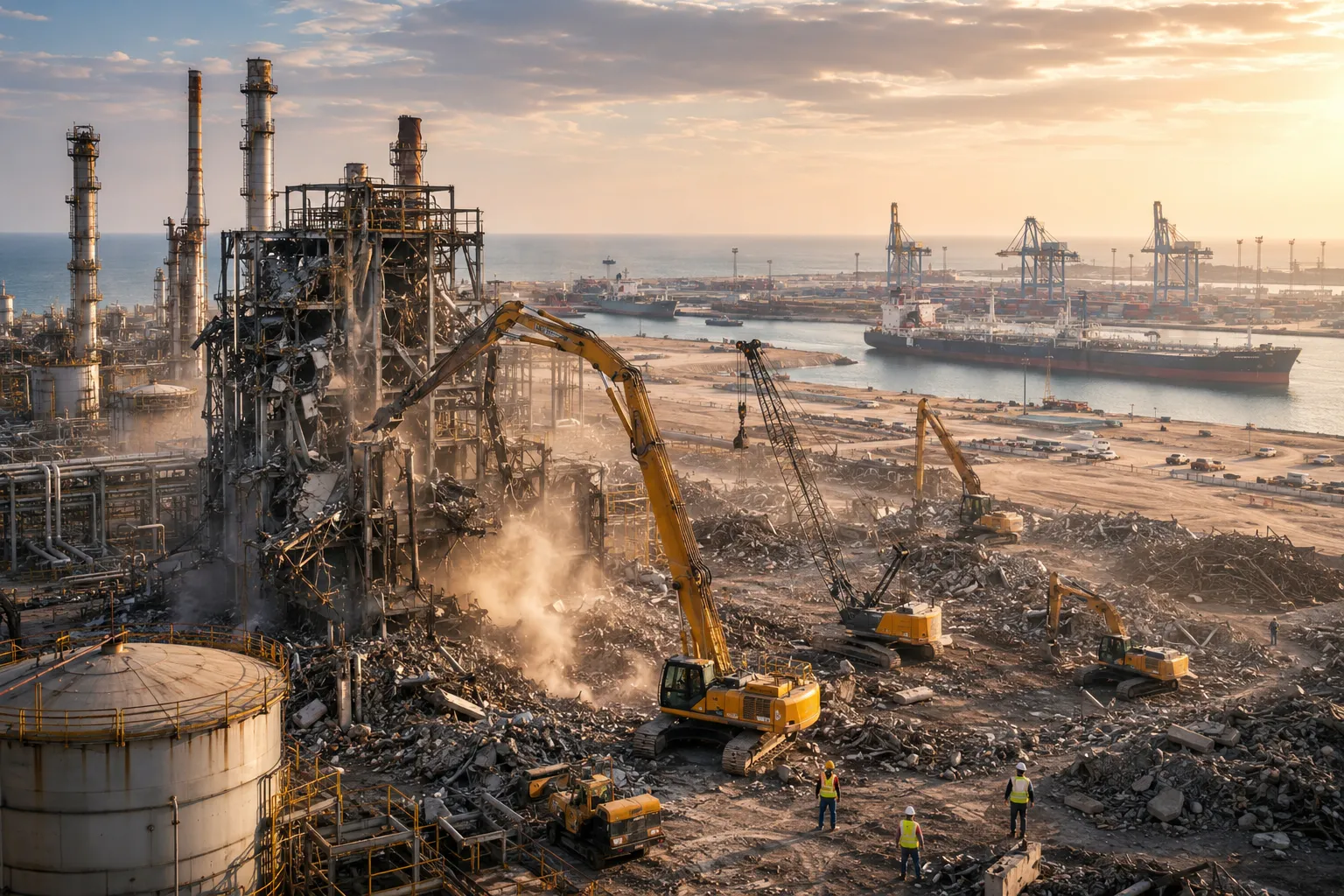

Saudi Arabia is undergoing one of the most ambitious infrastructure transformations in the world. As the Kingdom advances its economic diversification goals, older industrial facilities, aging infrastructure, and obsolete structures are being replaced with modern developments designed to support future growth. While new construction often captures public attention, the process that makes these developments possible frequently begins with large-scale demolition projects.
From oil refineries and petrochemical plants to commercial ports and industrial zones, demolition plays a critical role in preparing sites for redevelopment. These projects require specialized expertise, advanced equipment, strict safety standards, and comprehensive environmental planning. As a result, demolition Saudi Arabia projects have evolved into highly technical operations that contribute directly to the country's modernization efforts.
The Growing Need for Industrial Demolition
Industrial facilities have a limited operational lifespan. Over time, equipment becomes outdated, maintenance costs increase, and facilities may no longer meet modern safety or environmental standards. In many cases, replacing aging structures becomes more practical than attempting extensive renovations.
Saudi Arabia's industrial landscape includes decades-old refineries, storage terminals, manufacturing facilities, and logistics centers. As industries embrace new technologies and efficiency standards, many of these older assets require controlled dismantling before redevelopment can begin.
Large-scale demolition projects help create space for:
- Modern industrial complexes
- Expanded logistics hubs
- Renewable energy facilities
- Advanced manufacturing plants
- Commercial and residential developments
- Transportation infrastructure upgrades
The removal of outdated structures ensures that valuable land can be repurposed to support the Kingdom's long-term economic vision.
Demolition in Oil Refineries and Petrochemical Facilities
Oil refineries represent some of the most challenging demolition environments in the world. These sites contain extensive networks of pipelines, storage tanks, processing units, and heavy steel structures. Because many facilities have handled flammable materials for decades, safety remains the highest priority throughout the demolition process.
Before dismantling begins, specialists conduct detailed site assessments to identify potential hazards, including:
- Residual hydrocarbons
- Contaminated materials
- Pressurized systems
- Hazardous waste
- Structural instability
The demolition process often involves phased dismantling rather than traditional building demolition techniques. Equipment is carefully disconnected, decontaminated, and removed section by section. This approach minimizes environmental risks while maintaining safety for workers and surrounding communities.
As Saudi Arabia continues upgrading its energy infrastructure, refinery demolition projects are becoming increasingly important in supporting industrial modernization.
Transforming Aging Port Infrastructure
Seaports are essential gateways for international trade, making them critical components of Saudi Arabia's economic development strategy. However, many older port facilities were designed for smaller cargo volumes and outdated shipping technologies.
Port redevelopment projects frequently require the demolition of:
- Aging warehouses
- Cargo handling facilities
- Obsolete docking structures
- Storage yards
- Administrative buildings
Unlike conventional demolition sites, ports present unique challenges due to ongoing operations, nearby marine environments, and limited space. Contractors must coordinate closely with port authorities to ensure that demolition activities do not disrupt cargo movement or compromise safety.
Through careful planning and execution, demolition teams help pave the way for expanded port capacities, improved logistics networks, and enhanced trade capabilities.
Environmental Considerations in Large-Scale Projects
Environmental responsibility has become a major focus in modern demolition practices. Large industrial sites often contain materials that require specialized handling and disposal procedures.
Today's demolition professionals prioritize sustainable practices by:
- Recycling steel and metal components
- Recovering reusable construction materials
- Managing hazardous waste responsibly
- Controlling dust and emissions
- Protecting nearby ecosystems
Many large projects now incorporate waste diversion strategies that significantly reduce the amount of material sent to landfills. By maximizing recycling and material recovery, demolition contractors contribute to broader sustainability objectives while reducing environmental impact.
This environmentally conscious approach is becoming a defining characteristic of major demolition Saudi Arabia initiatives across industrial and commercial sectors.
The Role of Advanced Technology
Technology has transformed how large-scale demolition projects are planned and executed. Modern contractors rely on sophisticated tools to improve safety, efficiency, and project accuracy.
Common technologies used in major demolition projects include:
3D Site Modeling
Digital mapping and modeling allow engineers to analyze structures before demolition begins. This helps identify potential risks and determine the safest dismantling sequence.
Remote-Controlled Equipment
Remote-operated machinery enables workers to perform hazardous tasks from a safe distance, particularly in unstable environments.
Drone Inspections
Drones provide detailed aerial assessments of large industrial sites, improving planning and reducing the need for manual inspections in dangerous areas.
Environmental Monitoring Systems
Real-time monitoring helps track dust levels, vibrations, and air quality throughout the demolition process.
These innovations help ensure that complex projects can be completed with greater precision and reduced risk.
Supporting Vision 2030 Development Goals
Saudi Arabia's Vision 2030 initiative has accelerated investment in infrastructure, transportation, tourism, and industrial development. While attention often focuses on new megaprojects, demolition serves as a crucial first step in many redevelopment efforts.
Large-scale demolition supports Vision 2030 by:
- Preparing land for new developments
- Improving industrial efficiency
- Enhancing public safety
- Supporting sustainable construction practices
- Facilitating economic diversification
Whether clearing outdated industrial facilities or making way for transportation upgrades, demolition contributes directly to the transformation of the Kingdom's built environment.
Looking Ahead
The future of Saudi Arabia's infrastructure development will continue to depend on safe, efficient, and environmentally responsible demolition practices. As industries modernize and cities expand, the demand for specialized demolition expertise is expected to grow.
From dismantling aging oil refineries to redeveloping seaport facilities, large-scale demolition projects play an essential role in creating opportunities for future growth. These operations require careful planning, advanced technology, and strict safety standards, ensuring that redevelopment begins on a strong foundation.
As the Kingdom continues its journey toward modernization, demolition Saudi Arabia services will remain a vital part of infrastructure renewal, helping transform outdated facilities into spaces that support innovation, economic progress, and sustainable development for generations to come.



















Sign in to leave a comment.