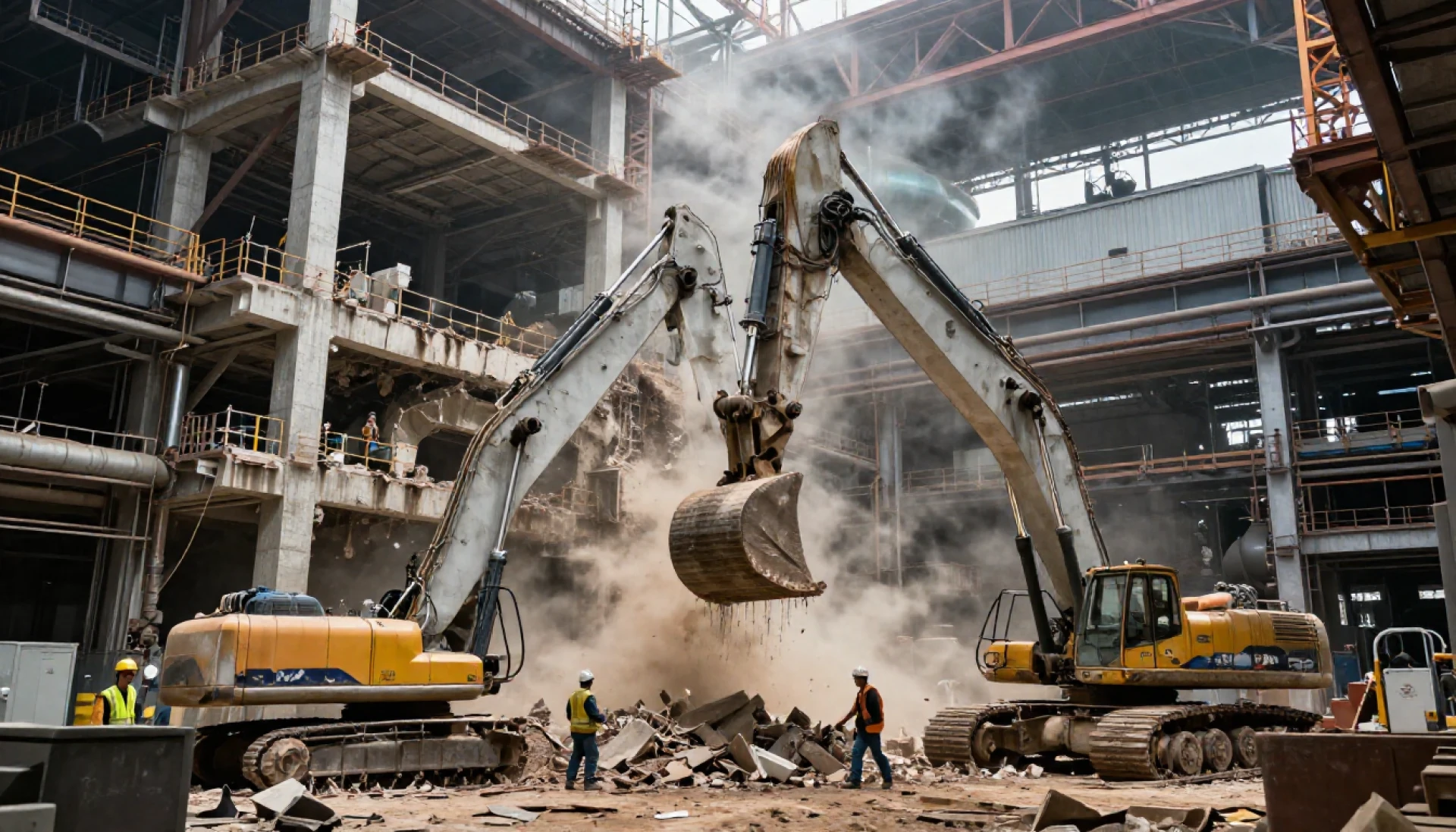

Large industrial projects must comply with strict regulatory frameworks governing construction activities, environmental protection, and worker safety. Obtaining the necessary permits and ensuring compliance with national regulations is a crucial part of project preparation. According to the Ministry of Municipal and Rural Affairs and Housing, demolition activities require proper authorization and adherence to municipal safety guidelines.
Complex Structural Design
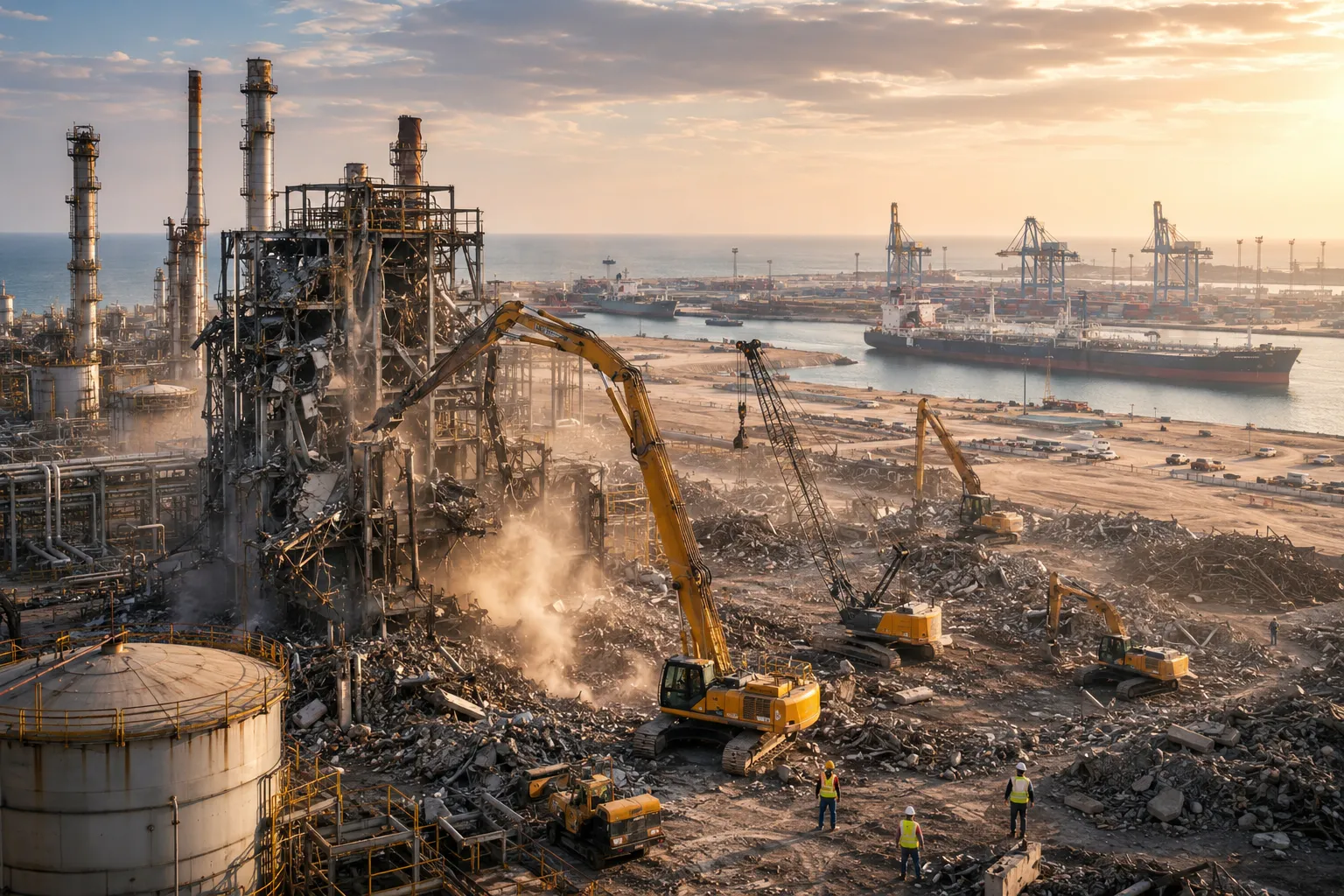
Industrial buildings such as factories, refineries, and power plants are designed to support heavy equipment, large production lines, and reinforced frameworks. These structures often include thick steel beams, reinforced concrete foundations, and elevated platforms. Removing such systems requires detailed structural evaluations to determine the safest dismantling sequence. Engineers must analyze load distribution, structural stability, and potential collapse risks before any work begins.
Presence of Heavy Industrial Equipment
Many industrial facilities house large machinery that is permanently integrated into the structure. Turbines, reactors, conveyor systems, and storage tanks can weigh several tons and may be connected to surrounding structures. Their removal requires specialized lifting equipment, cutting tools, and controlled dismantling techniques. In many cases, these components must be separated carefully to avoid structural damage or safety hazards.
Hazardous Materials and Environmental Concerns
Older industrial facilities frequently contain hazardous materials such as asbestos insulation, chemical residues, fuel storage systems, or contaminated soil. Before structural removal begins, environmental assessments must identify these risks and establish safe handling procedures. Proper containment, removal, and disposal processes are essential to protect workers, nearby communities, and the surrounding environment.
Utility Disconnection and Infrastructure Coordination
Industrial complexes rely on extensive utility networks including power lines, water systems, gas pipelines, and communication infrastructure. These utilities must be carefully isolated and disconnected before structural work begins. Failure to properly manage these systems can result in serious safety hazards or operational disruptions to nearby facilities.
Strict Safety Management
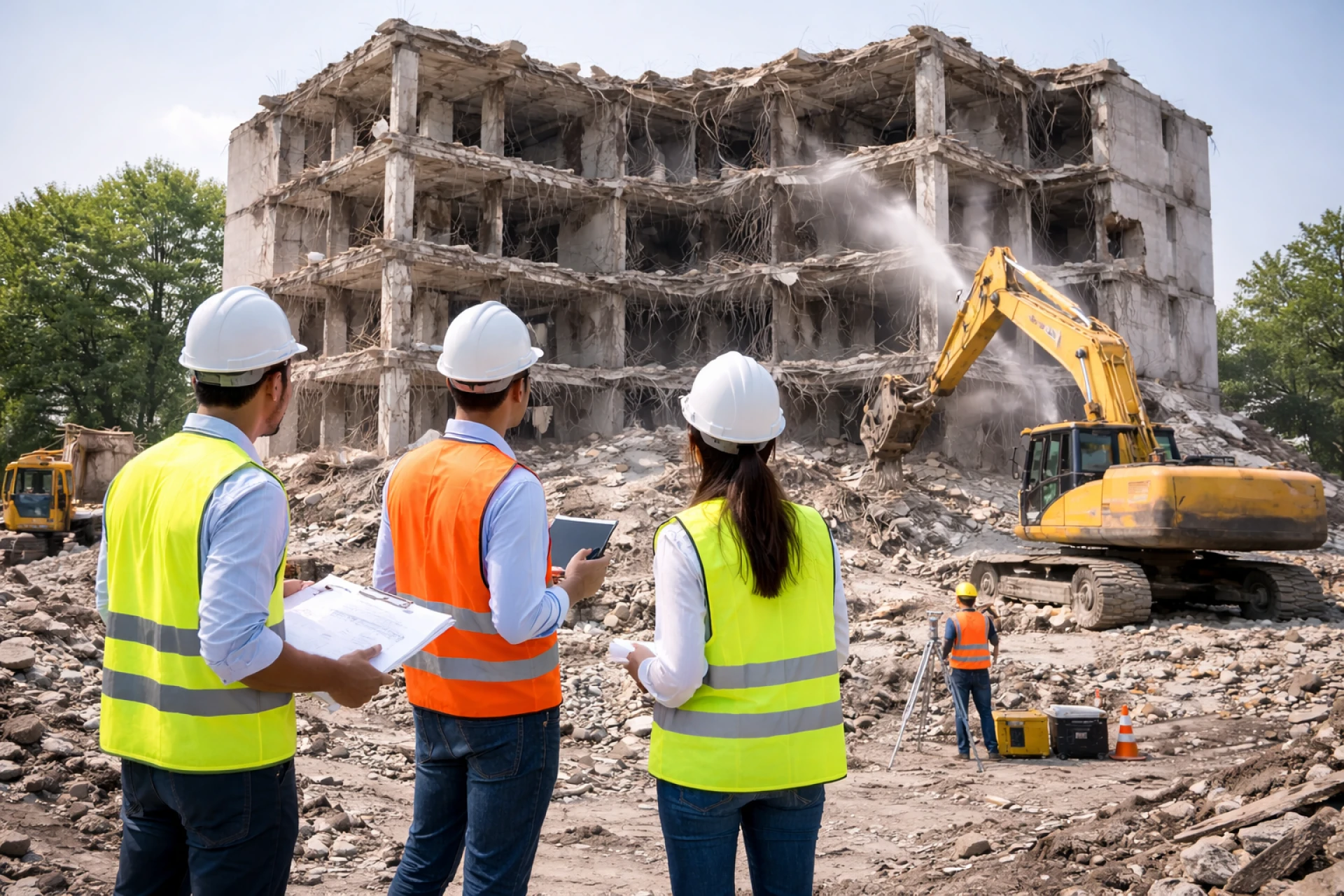
Safety management is one of the most critical elements of large-scale industrial structure removal. Workers operate heavy machinery, cutting equipment, and lifting systems in environments that may involve unstable structures or elevated working areas. Detailed safety planning, continuous monitoring, and trained personnel are essential to ensure that each stage of the project proceeds without incident.
Advanced Machinery and Technical Methods
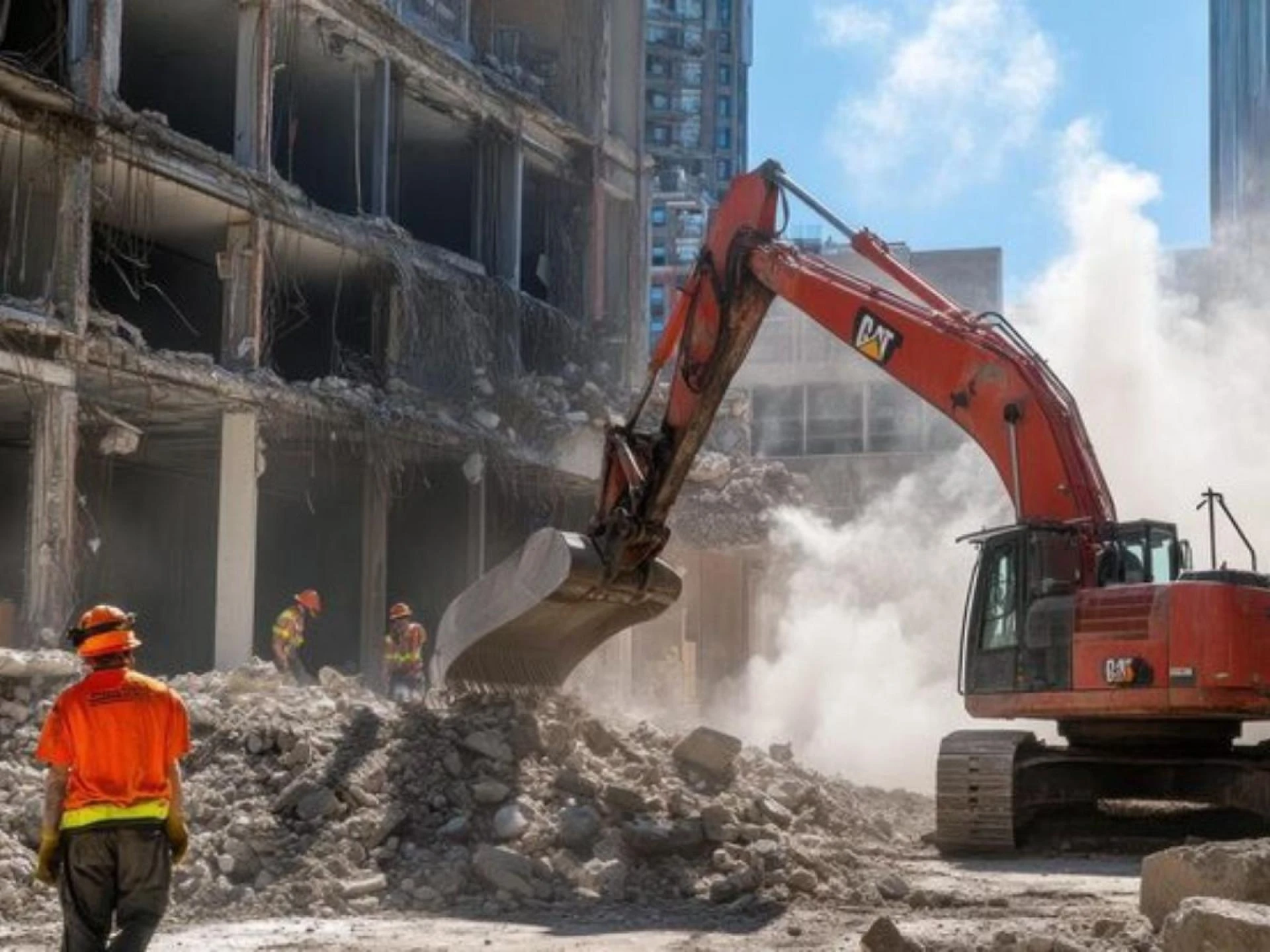
Industrial dismantling projects often require advanced equipment such as high-reach excavators, hydraulic shears, concrete crushers, and controlled cutting tools. These technologies allow operators to remove structural components in a controlled and efficient manner. Modern project teams also use digital modeling and site analysis to plan dismantling strategies and minimize operational risks.
Regulatory Compliance and Project Planning
Large industrial projects must comply with strict regulatory frameworks governing construction activities, environmental protection, and worker safety. Obtaining the necessary permits and ensuring compliance with national regulations is a crucial part of project preparation. In regions with rapid industrial development, experienced contractors—including a professional demolition company saudi arabia—often coordinate closely with regulatory authorities to ensure that all procedures meet legal and safety standards.
Conclusion
The removal of large industrial structures involves far more than simply taking down a building. These projects require engineering expertise, environmental responsibility, and precise operational control. From structural analysis and hazardous material management to advanced equipment operation and regulatory compliance, every stage demands careful coordination. With proper planning and skilled professionals, even the most complex industrial facilities can be dismantled safely while preparing sites for future development and modernization.



















Sign in to leave a comment.