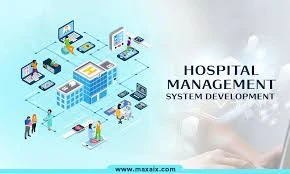
In today's fast-paced, tech-driven world, healthcare institutions are under increasing pressure to deliver efficient, high-quality patient care while managing vast amounts of data and administrative responsibilities. Enter the Hospital Management System (HMS) — a game-changer in the healthcare landscape.
What Is a Hospital Management System?
A Hospital Management Systems (HMS) is an integrated software solution designed to streamline the administrative, financial, clinical, and operational aspects of a hospital or healthcare facility. By digitizing records, automating workflows, and providing real-time access to information, HMS platforms enhance the efficiency and accuracy of hospital operations.
Core Features of a Modern HMS
- Patient Registration and Management
- From capturing demographic details to tracking medical history, the patient management module ensures that every patient interaction is recorded and easily accessible.
- Appointment Scheduling
- HMS allows both patients and doctors to schedule, reschedule, and manage appointments seamlessly, reducing wait times and improving patient experience.
- Electronic Medical Records (EMR)
- Secure digital records that include diagnoses, treatments, lab results, prescriptions, and more, enabling quick access and continuity of care.
- Billing and Invoicing
- Automated billing systems handle everything from consultations to surgery costs, integrating insurance claims and reducing billing errors.
- Pharmacy Management
- Tracks drug inventory, expiration dates, prescriptions, and facilitates reordering to ensure stock availability.
- Laboratory and Diagnostic Module
- Manages test orders, tracks sample collections, integrates lab results into patient records, and ensures timely reporting.
- Inventory and Supply Chain Management
- Keeps tabs on medical supplies, surgical instruments, and other essentials, preventing shortages or overstocking.
- Human Resource and Payroll
- Automates staff scheduling, attendance, and payroll, making workforce management easier and more efficient.
Benefits of Hospital Management Systems
- Improved Efficiency
- Automation of routine tasks reduces manual errors and frees up staff to focus more on patient care.
- Enhanced Patient Care
- Doctors get instant access to patient history, diagnostic results, and treatment plans, leading to faster and more accurate decisions.
- Data Security and Compliance
- HMS platforms come with robust security protocols, ensuring data privacy and compliance with healthcare regulations like HIPAA.
- Cost-Effectiveness
- Better resource allocation and reduced paperwork lead to significant cost savings over time.
- Data Analytics and Reporting
- Real-time dashboards and reports help in tracking performance metrics, identifying bottlenecks, and making informed decisions.
Challenges in Implementing HMS
- High Initial Costs
- Despite long-term benefits, the upfront investment in software, hardware, and training can be a barrier for smaller hospitals.
- Staff Training and Resistance
- Transitioning from manual to digital systems requires training and change management to avoid disruptions.
- Integration with Existing Systems
- Ensuring compatibility and seamless integration with current technologies is crucial for a smooth transition.
The Future of HMS
With advancements in AI, machine learning, telemedicine, and IoT, future-ready hospital management systems will become even more intelligent. Predictive analytics could anticipate patient needs, while smart wearables may feed real-time data into HMS platforms for more proactive care.
Conclusion
Hospital Management Systems are no longer a luxury but a necessity for modern healthcare facilities. They not only improve operational efficiency but also play a pivotal role in enhancing patient outcomes. As healthcare continues to evolve, the adoption of robust HMS platforms will be key to building smarter, more responsive, and patient-centered institutions.

























Sign in to leave a comment.