Building D2C Platforms: A Guide to Direct-to-Consumer E-Commerce Success
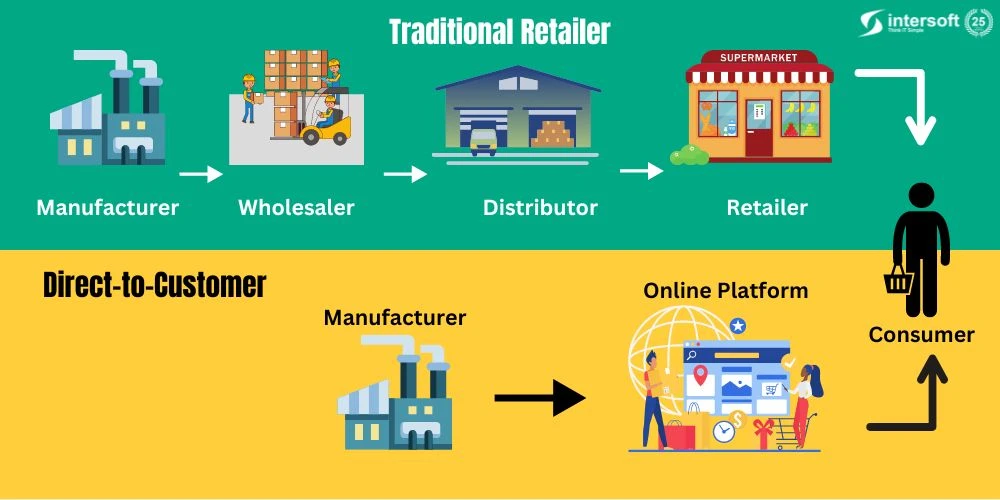
In recent years, the Direct-to-Consumer (D2C) model has revolutionized the way brands connect with customers. Bypassing traditional retailers, D2C platforms allow companies to own the customer relationship, optimize the shopping experience, and gather first-party data for smarter decisions.
In this blog, we’ll dive into the development of D2C platforms, exploring their core features, technology stack, and best practices for creating a scalable and customer-centric digital storefront.
🔍 What is a D2C Platform?
A d2c platforms development is an e-commerce solution that enables brands to sell directly to consumers online. Unlike B2B or marketplace models, D2C businesses manage every aspect of the customer journey — from product discovery and purchase to fulfillment and post-sale support.
Popular D2C brands like Glossier, Warby Parker, and Dollar Shave Club have demonstrated the model’s potential by combining strong branding with a seamless digital experience.
🧱 Core Features of a D2C Platform
To compete in today’s market, a successful D2C platform must offer:
1. Customizable Storefront
- A user-friendly, mobile-optimized design.
- Personalized experiences based on behavior and preferences.
- Flexible CMS for product pages, blogs, and landing pages.
2. Secure Shopping Cart & Checkout
- One-click checkout.
- Multiple payment gateways (Stripe, PayPal, BNPL).
- Robust security (SSL, PCI compliance).
3. Inventory & Order Management
- Real-time stock updates.
- Seamless integration with warehouses and third-party logistics (3PL).
- Easy returns and exchanges.
4. Customer Relationship Management (CRM)
- Unified customer profiles.
- Email and SMS marketing integration.
- Loyalty programs and referral systems.
5. Analytics & Insights
- Sales tracking, customer behavior, funnel analysis.
- A/B testing tools and dashboard reports.
- Integration with Google Analytics, Facebook Pixel, etc.
6. Omnichannel Integration
- Sync with social commerce (Instagram, TikTok Shop, Facebook).
- Offline to online linkage (pop-ups, QR codes).
- Marketplaces as secondary channels (Amazon, Walmart).
💻 Technology Stack for D2C Development
Building a scalable D2C platform requires selecting the right tech stack. Here’s a commonly used stack:
LayerTechnologiesFrontendReact.js, Next.js, Vue.jsBackendNode.js, Ruby on Rails, DjangoE-Commerce EngineShopify, Magento, WooCommerce, or customDatabasePostgreSQL, MongoDB, MySQLHostingAWS, Vercel, Netlify, Google CloudCDN & CachingCloudflare, FastlyMarketing ToolsKlaviyo, Mailchimp, HubSpotAnalyticsGA4, Mixpanel, Hotjar
🚀 Best Practices for D2C Platform Development
✅ 1. Start With a Minimum Viable Product (MVP)
Focus on core shopping functionality, a few SKUs, and test early. Gather user feedback and iterate.
✅ 2. Prioritize Performance
Speed is critical for conversion. Optimize load times, compress images, and adopt headless commerce if needed.
✅ 3. Build for Mobile First
Over 70% of e-commerce traffic is mobile. Ensure seamless UX across devices.
✅ 4. Invest in Branding & Storytelling
D2C brands win by creating emotional connections. Use compelling visuals, founder stories, and authentic content.
✅ 5. Leverage First-Party Data
Collect and use data for personalization, retargeting, and product development — while respecting privacy regulations (like GDPR).
📈 Scaling Your D2C Platform
Once the foundation is strong, growth comes from:
- Marketing automation for customer retention.
- Internationalization (multi-currency, multi-language support).
- Subscription models for recurring revenue.
- AI & personalization for smarter recommendations.
🛠️ Build vs. Buy: Should You Go Custom or Use SaaS?
FactorCustom PlatformSaaS (e.g., Shopify)CostHigh upfrontSubscription-basedFlexibilityTotal controlLimited customizationTime to LaunchLongerFast (days or weeks)MaintenanceOngoing dev requiredHandled by provider
If you’re launching fast or testing a new concept, SaaS is a great start. If you need complex features or full brand control, a custom build might be worth the investment.
🧠 Final Thoughts
The future of commerce is personal, data-driven, and brand-led. D2C platforms give businesses the tools to own their story, data, and destiny — but success depends on technology, strategy, and user experience working in harmony.
Whether you’re launching your first D2C brand or scaling an established one, investing in a robust, adaptable platform is key to long-term growth.
Need help building a D2C platform? Whether you're a startup or a growing brand, consider working with experienced developers or agencies who specialize in e-commerce and user-centric design.






















Sign in to leave a comment.