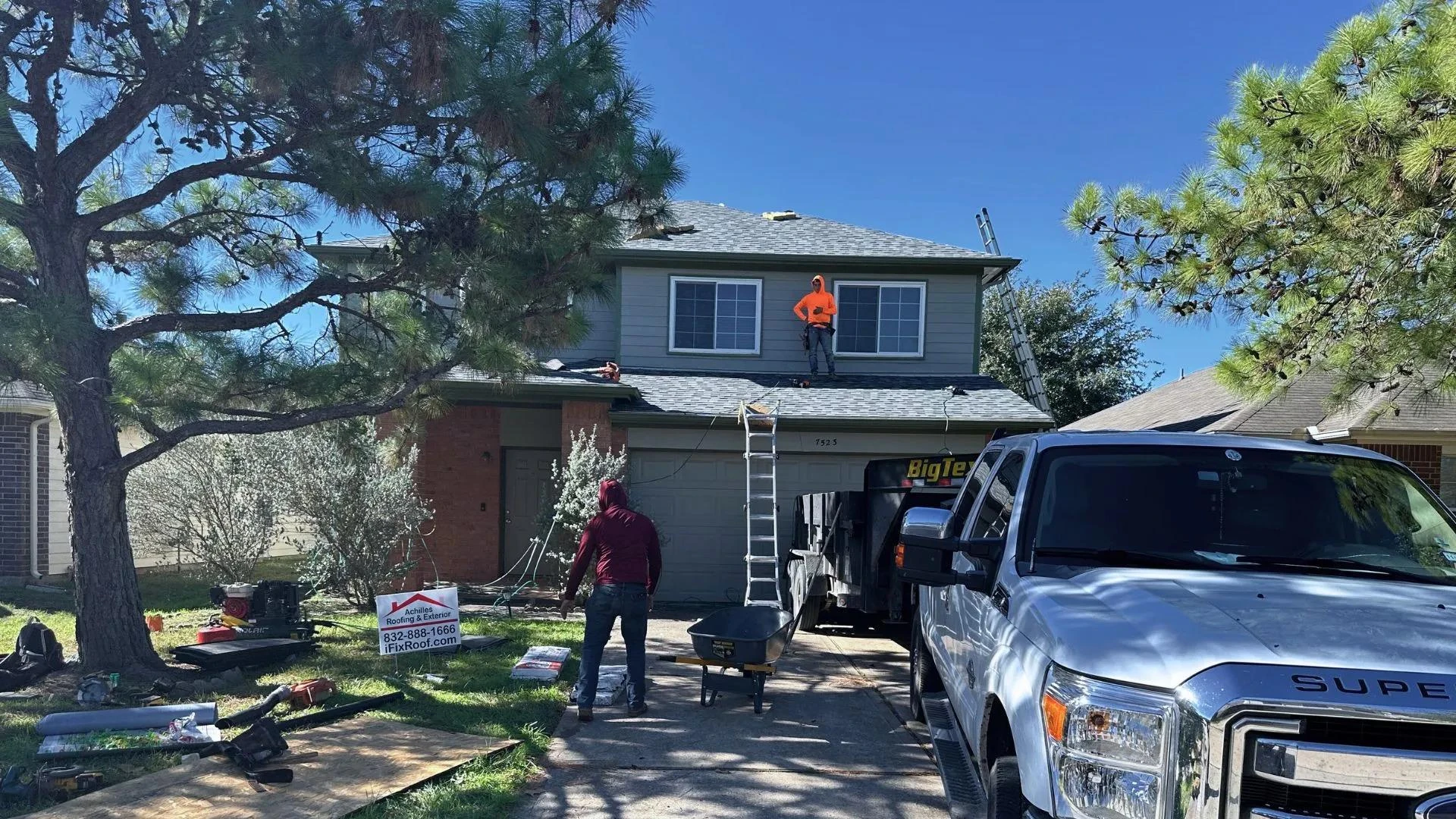

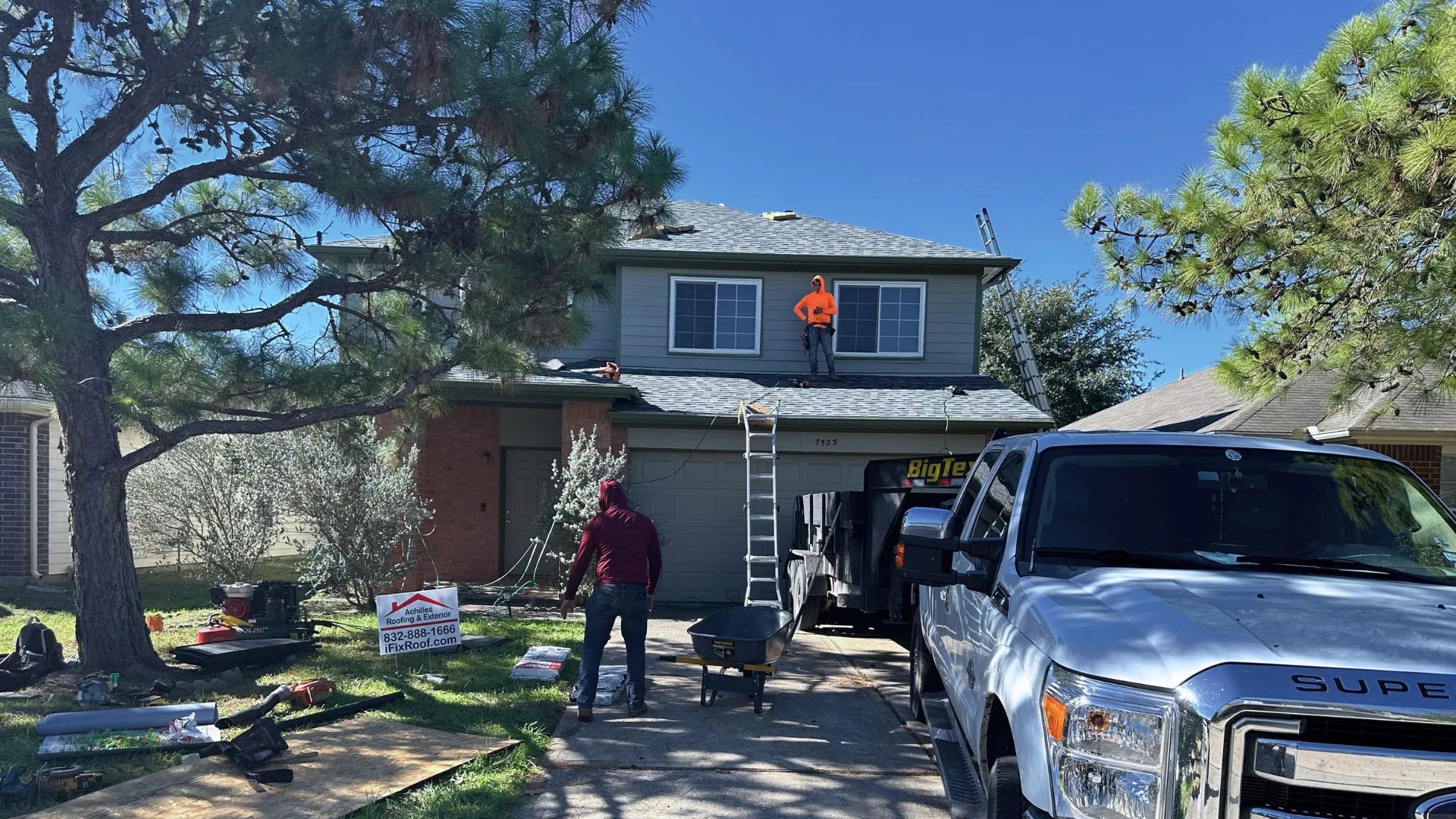
I’ve spent the better part of my life on scorching-hot rooftops from Sugar Land to Humble, and if there’s one thing I’ve learned, it’s that Houston weather is the ultimate judge and jury. You can try to cheat a roof by patching it for five years, but eventually, the bill comes due—usually during a tropical depression when you can least afford it. As a contractor, I’m the one who has to give homeowners the reality check they don’t want to hear: a roof isn't just a layer of shingles; it’s a high-stress structural shield. When that shield is spent, a Roof Replacement is the only thing standing between your family and a total home restoration project.
The Mathematics of Shingle Exhaustion in Southeast Texas
Most people worry about the big storms, but the real daily killer in Houston is the sun. We deal with something called "thermal shock." During a typical July afternoon, your roof surface can easily hit 160 degrees. Then, a sudden afternoon thunderstorm rolls in and drops 75-degree rain on those shingles. This rapid contraction snaps adhesive seals and makes the asphalt brittle.
When your shingles lose their flexibility, they start to shed granules—that colored sand you see piling up in your gutters. Those granules are the only thing protecting the asphalt from UV rays. Once they’re gone, the sun eats right through the mat. At that point, you aren't saving money by patching; you’re just financing a slow-motion disaster. A professional Roof Replacement Houston resets your home's defense to zero and stops the cycle of damage to your insulation and drywall.
Why the Full Tear-Off is the Only Way to Do It Right
I see "budget" crews all the time trying to sell people on an "overlay"—nailing new shingles over the old ones. In the Houston heat, that is a death sentence for your roof. Asphalt shingles act like a thermal blanket; two layers will trap heat and "cook" your new shingles from the bottom up, cutting their lifespan by nearly 50%.
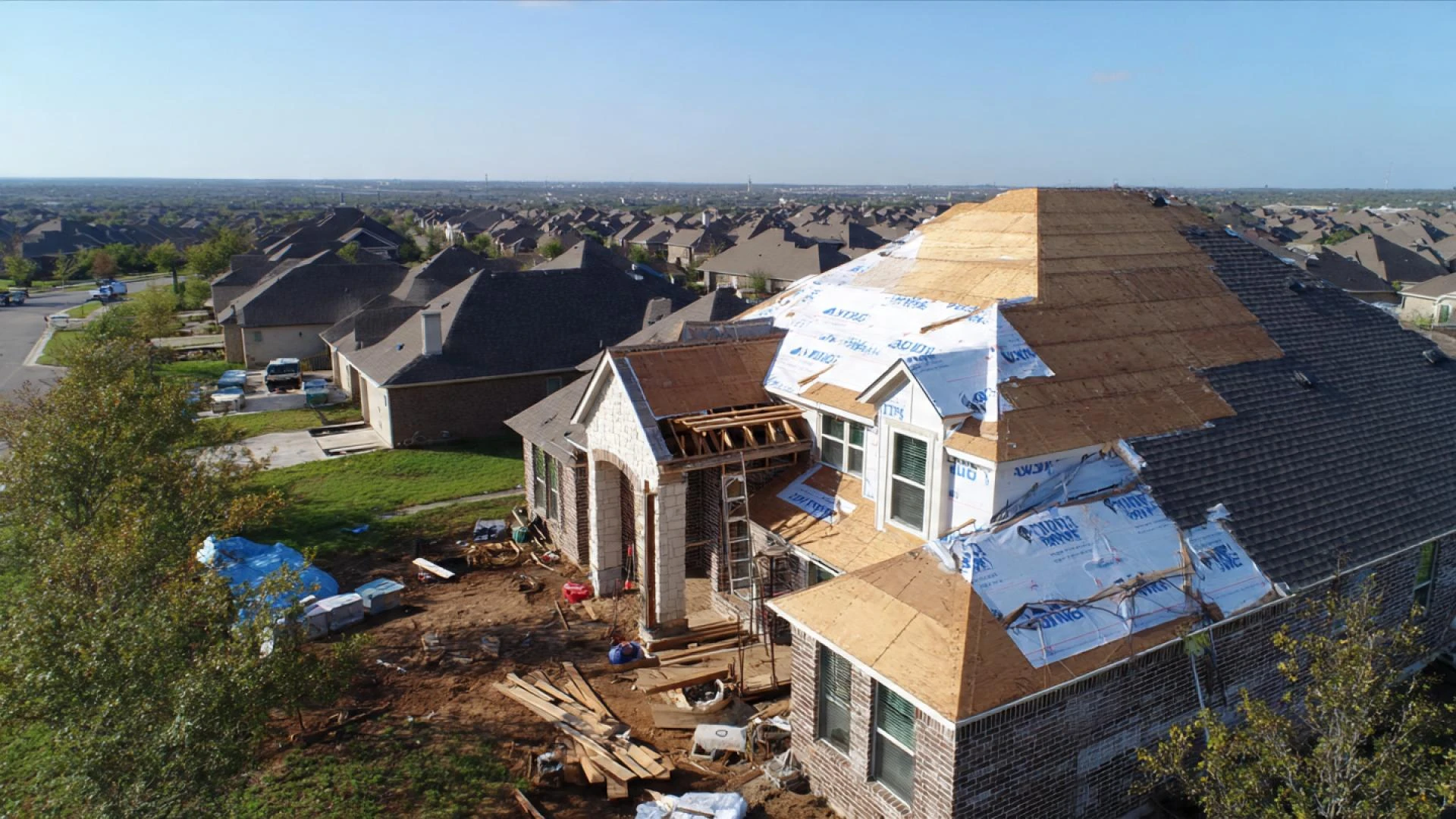
Even worse, an overlay hides the truth. If we don’t strip the roof down to the bare wood, we can’t see the decking. I’ve never done a tear-off where we didn't find at least a few sheets of plywood that were soft, rotted, or moldy from years of slow seepage. If you nail a brand-new roof into rotten wood, the nails won't hold, and your "new" shingles will be the first ones to fly off in a 40-mph wind gust. Doing it right means seeing the "bones" of the roof and making sure they are solid before the first new nail is driven.
Ventilation: The Silent Life Support of Your Shingles
The biggest mistake I see in Houston roofing isn't the shingles—it’s the air moving underneath them. Your attic is a pressure cooker. If your contractor doesn't balance your intake vents at the eaves with exhaust vents at the ridge, you’re essentially slow-cooking your roof from the inside out.
Trapped moisture leads to "deck buckling" and organic growth. When we do a replacement, we look at the whole system. If your house can't breathe, the shingles will blister and pop, and the plywood will warp. A real pro checks your ventilation before they ever hand you a quote. You want a roof that survives the humidity, not one that succumbs to it. Don't let a "tailgate contractor" convince you that a bucket of tar is a permanent solution for an exhausted roof.
Sign in to leave a comment.