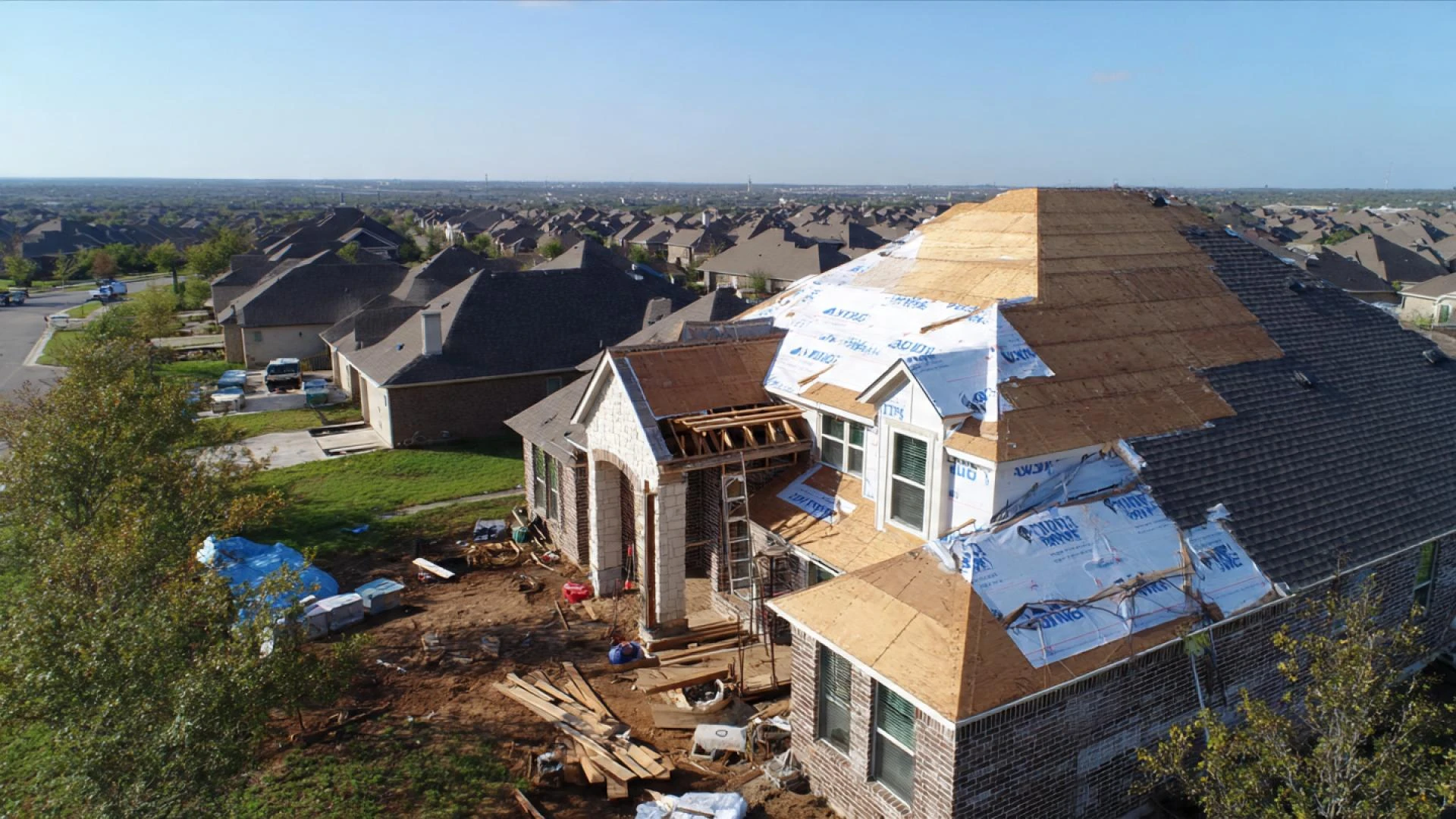

Why Most Houston Roof Repairs Fail Within Two Years
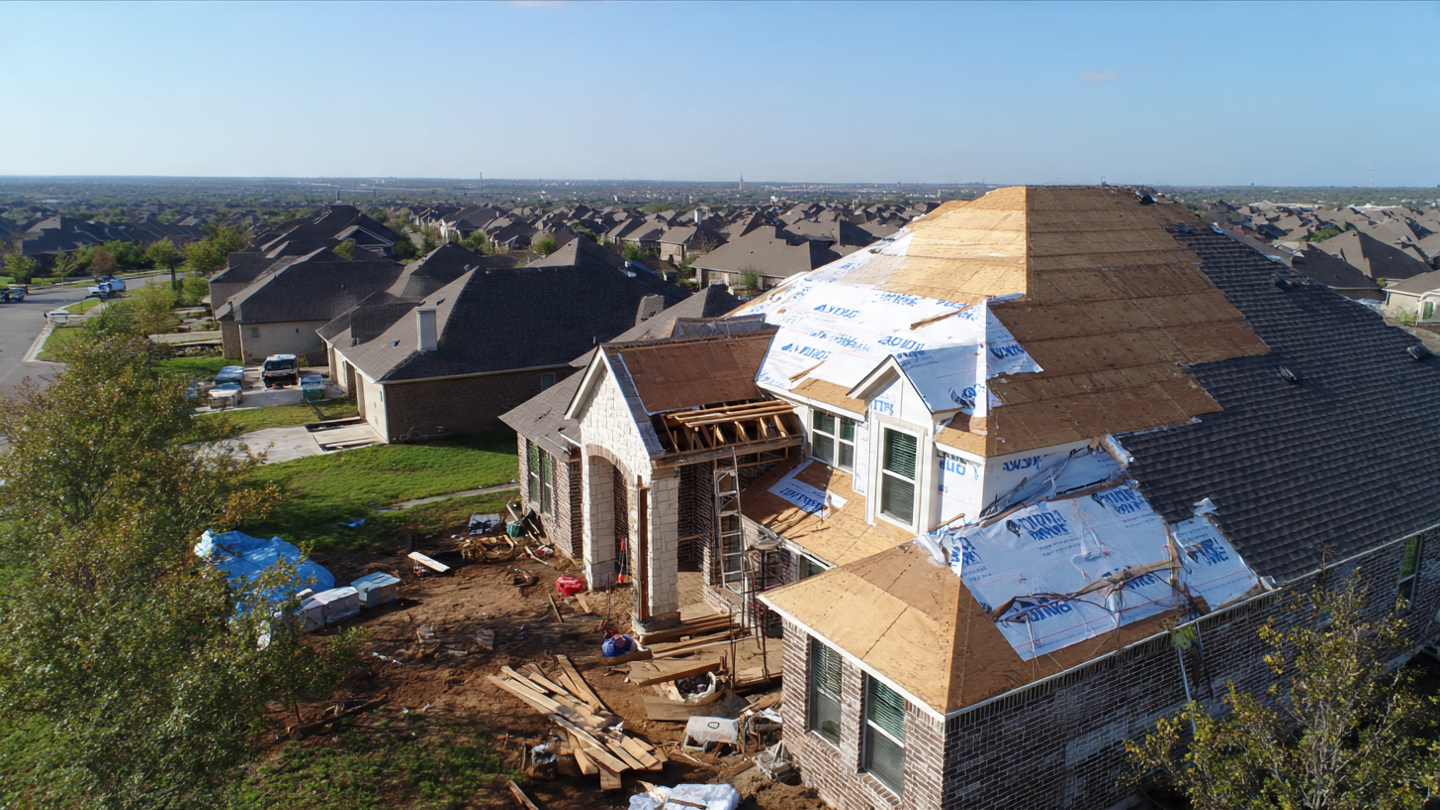
Let me be blunt: most roof repairs in Houston aren’t made to last. I’ve spent over a decade climbing roofs across Spring, Sugar Land, and the greater Houston area, and I can tell you this—the vast majority of quick fixes fail within two years. Why? Because most repairs treat symptoms, not the underlying problem.
In our climate, “temporary solutions” aren’t just ineffective—they’re a financial trap. When a repair fails, it often exposes hidden rot, mold, or compromised decking that could have been addressed before the initial patch. If your contractor isn’t checking every layer of your roof, you’re basically gambling with your home.
The Houston Climate Isn’t Friendly
Houston is a tough town for roofs. Between blistering sun, near-constant humidity, and sudden storms that can drop a year’s worth of rain in a day, your roof’s under constant stress.
- UV exposure: High sun angles weaken shingles and degrade adhesives.
- Humidity: Traps moisture under shingles, causing decking rot and mold.
- Storms: High winds and hail can lift shingles, tear flashing, and stress your roof system.
A patch that might hold in Dallas or Austin simply won’t survive Houston’s extremes unless it’s done properly.
Why Repairs Fail
Here’s what I see over and over again:
- Surface-level fixes
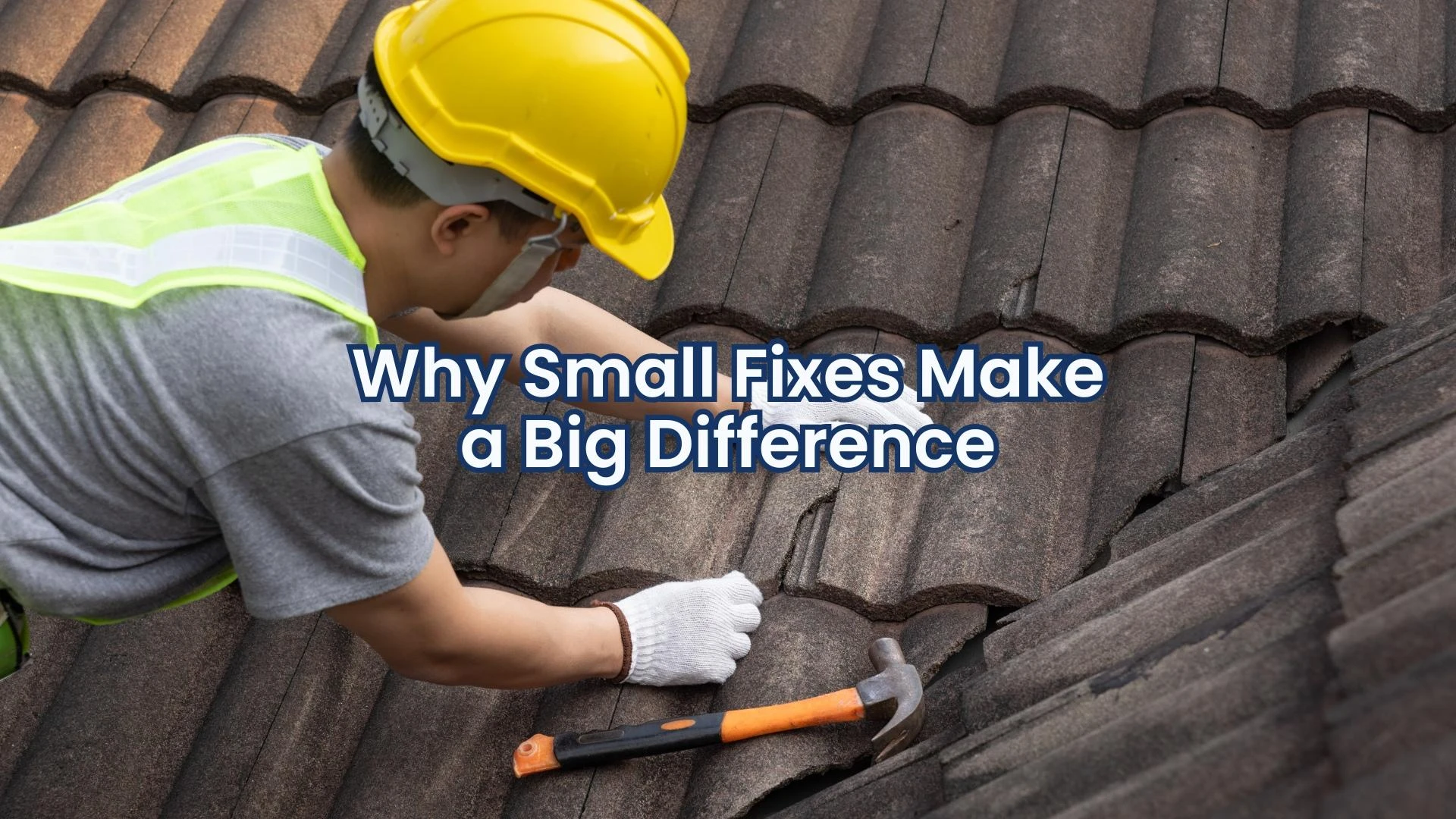
Homeowners call for a “quick fix” when they see a small leak or a missing shingle. Contractors slap on new shingles without checking the underlayment or decking. Two years later, water finds its way in again, and the problem returns—often worse than before. - Old flashing reused
Flashing is the silent protector of your roof. Reusing corroded or bent flashing is cheap—but it’s a gamble. When flashing fails, water invades valleys, vents, and chimneys, often hidden until the ceiling shows a stain months later. - Ignoring ventilation
Houston attics are pressure cookers. Without proper intake and exhaust ventilation, heat and humidity bake the shingles and warp decking. Repairs fail not because the shingles were bad, but because the attic couldn’t breathe. - Cutting corners on materials
Not all underlayments are created equal. Old-school felt tears, synthetic underlayments resist moisture and UV. Using cheap materials might save a few hundred dollars today, but it guarantees failure down the road.
The Anatomy of a Proper Roof Repair
A repair that lasts requires thinking like a structural surgeon. Here’s what I do on every Houston roof:
- Inspection from top to bottom
I walk the roof, check shingles, flashing, and gutters. I crawl into the attic to inspect decking and ventilation. Many “minor leaks” start hidden beneath the surface. - Tear back or replace compromised sections
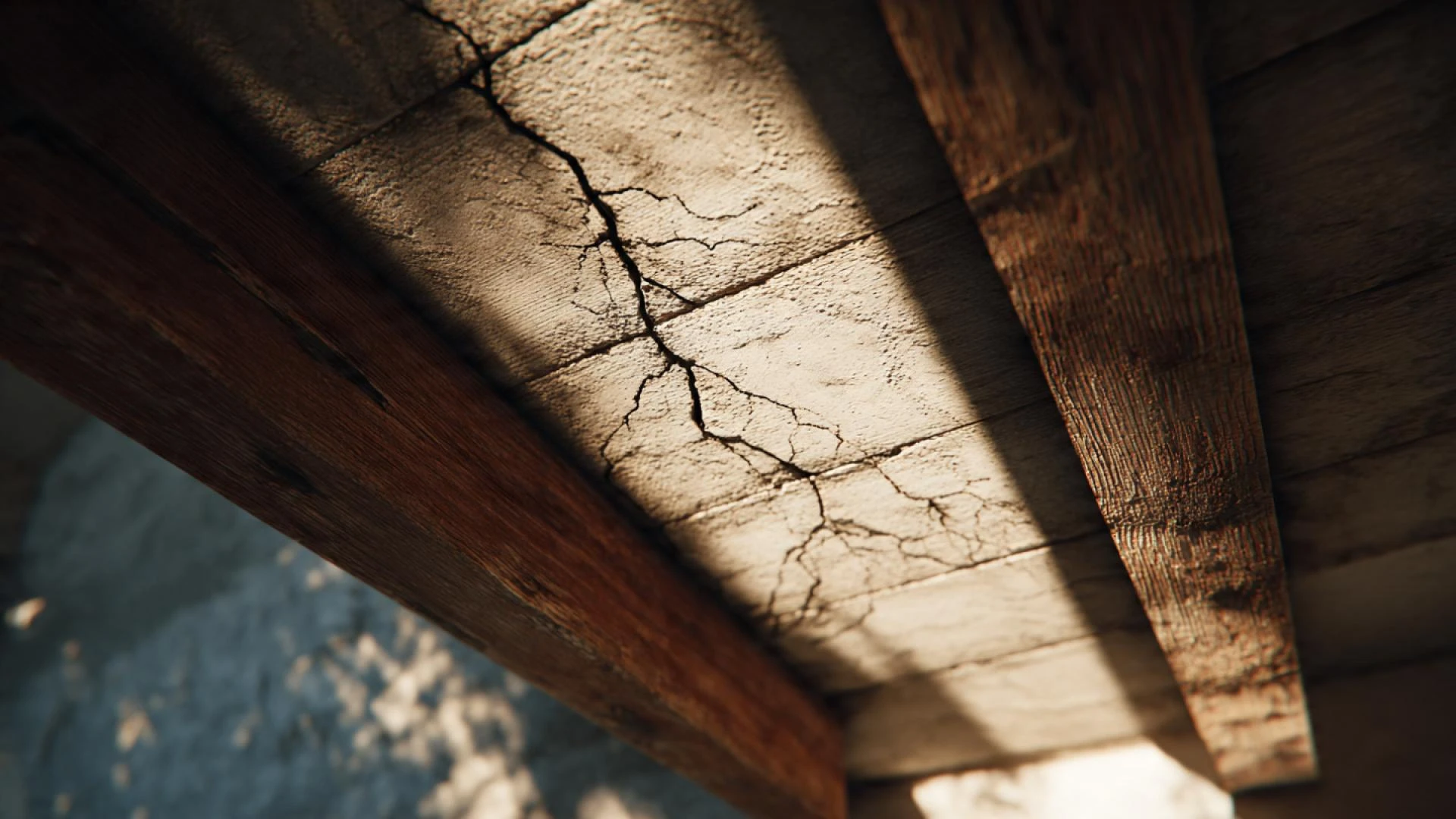
Patching over rot or mold is like covering a hole in a ship with tape. Replace soft decking, rotten plywood, or damaged underlayment before adding new shingles. - Install high-quality materials
Synthetic underlayment, Class 4 impact-resistant shingles, and properly installed flashing are non-negotiable. Cutting corners here is why repairs fail. - Check ventilation
Proper airflow from soffits to ridge vents prevents blistering shingles, warped decking, and premature asphalt failure. - Final walkthrough
Homeowners see every detail before I leave. A repair isn’t complete until you’re confident it will last through Houston’s storms.
Real Houston Examples
I’ve seen repairs “fixed” by the lowest bidder fail in less than two years:
- Sugar Land home: Contractor replaced 10 shingles, left corroded flashing around vents. Two months later, the living room ceiling was wet. Total remediation cost: $12,000.
- Katy home: Patch over wet decking. Shingles held for a season, then the next storm pulled them up. Rot and mold required full section replacement.
In both cases, the initial “cheap fix” ended up costing far more than a proper repair would have the first time.
How to Avoid Short-Lived Repairs
- Hire local experts who know Houston’s climate and building codes.
- Demand a full inspection—surface fixes aren’t enough.
- Don’t reuse old flashing or underlayment. It’s a false economy.
- Ask about ventilation and attic airflow—it affects shingle lifespan.
- Check materials—Class 4 shingles, synthetic underlayment, and proper fasteners make a difference.
At Roofing Repair Houston, we take a comprehensive approach. Quick fixes might be tempting, but we focus on solutions that last 10, 15, even 25 years.
The Bottom Line
A roof repair that fails within two years isn’t just inconvenient—it’s dangerous. Water intrusion can ruin insulation, drywall, and structural components. Every temporary patch you rely on increases the chance of rot, mold, and even foundation issues.
Don’t gamble with your home. Invest in a repair that addresses the problem from top to bottom, with proper materials, ventilation, and attention to detail. In Houston, a proper repair is the difference between a few buckets in your living room and a roof that protects your family for decades.

























Sign in to leave a comment.