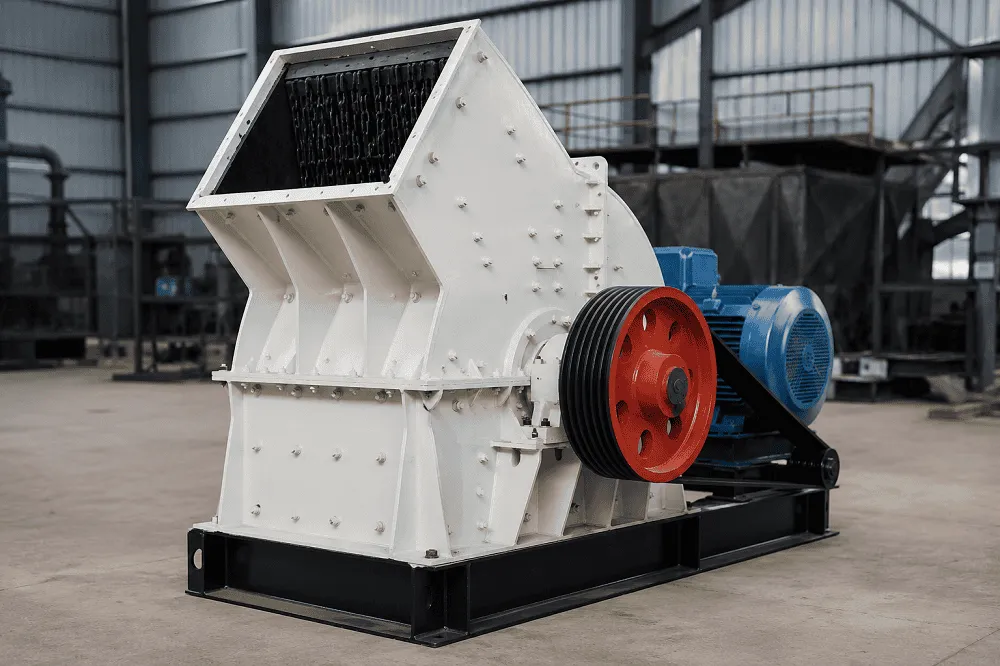

Material processing plays an important role in many industries. It helps convert large raw materials into smaller and more useful sizes. One of the most common machines used for this job is a crusher hammer mill. It is widely used for crushing, grinding, and reducing different types of materials.
A crusher hammer mill is known for its simple working style. It uses fast-moving hammers to break materials into smaller pieces. The machine is strong, efficient, and suitable for many industrial applications. It is used in mining, construction, agriculture, cement, recycling, and other processing plants.
This article explains how a crusher hammer mill works in material processing. It also covers its main parts, working process, benefits, applications, and maintenance tips.
What Is a Crusher Hammer Mill?
A crusher hammer mill is a machine used to crush and grind materials. It works by using rotating hammers that hit the material with high force. The impact breaks the material into smaller particles.
The machine can handle a wide range of materials. These include limestone, coal, gypsum, clay, minerals, grains, biomass, and waste materials. The final size depends on the machine design, hammer speed, screen size, and material type.
A crusher hammer mill is often used when fast size reduction is needed. It can process both soft and medium-hard materials. Some heavy-duty models can also handle harder materials.
Main Parts of a Crusher Hammer Mill
A crusher hammer mill consists of several crucial components, each playing a specific role in the crushing process.
1. Feeding Hopper.
The feeding hopper serves as the machine's entry point, where raw material is deposited. It directs the material into the crushing chamber. A steady feed is important. It helps the machine work smoothly. Overfeeding can reduce performance and cause blockages.
2. Crushing Chamber
The crushing chamber is the main working area. This is where the material comes in contact with the hammers. The chamber is built with strong metal to handle impact and wear.
The shape and size of the chamber affect the crushing result. A good chamber design improves material flow and crushing efficiency.
3. Rotor
The rotor is the rotating part inside the machine. It holds the hammers and moves at high speed. The rotor creates the force needed for crushing.
A balanced rotor is very important. It reduces vibration and improves machine life.
4. Hammers
Hammers are the main crushing tools. They strike the material again and again. This repeated impact breaks large pieces into smaller particles.
Hammers are usually made from wear-resistant steel. They must be strong because they face constant impact.
5. Screen or Grate
The screen controls the final particle size. Only material that reaches the required size can pass through it. Bigger particles remain in the chamber until they are further crushed.
Different screen sizes can be used for different output needs.
6. Discharge Outlet
The discharge outlet is where the crushed material leaves the machine. The final product is collected from this point. It may go to a conveyor, storage bin, or next processing stage.
How a Crusher Hammer Mill Works
The working process of a hammer mill crusher is simple yet powerful. It follows a step-by-step material reduction method.
First, raw material enters the machine through the feeding hopper. The material then moves into the crushing chamber. Inside the chamber, the rotor spins at high speed.
The hammers attached to the rotor strike the material with a strong impact. This force breaks the material into smaller pieces. As the material moves around the chamber, it gets hit many times.
The broken particles continue moving inside the chamber. Smaller particles pass through the screen or grate. Larger particles remain inside until they are crushed enough to pass through.
Once the particles reach the required size, they leave through the discharge outlet. The process continues as long as material is fed into the machine.
This simple working method makes the crusher hammer mill useful for continuous production.
Role of Impact in Material Processing
Impact is the main force used in a crusher hammer mill. When the hammers hit the material, they transfer energy to it. This sudden force causes the material to crack and break.
The impact strength depends on rotor speed, hammer weight, and material hardness. Higher speed can create finer output. However, it may also increase wear and power use.
Impact crushing is useful for materials that break easily under force. It is also good for materials that need quick size reduction.
Importance of Screen Size
The screen plays a key role in deciding the final output size. A smaller screen opening gives finer particles. A larger screen opening gives bigger particles.
Choosing the right screen size is important. It depends on the next use of the material. For example, animal feed may need fine particles. Construction material may need a different size.
If the screen is not cleaned or maintained, it can get blocked. This can reduce production speed and affect the final product quality.
Benefits of Using a Crusher Hammer Mill
A crusher hammer mill offers many benefits in material processing.
Fast Crushing
The machine works at high speed. It can reduce large materials quickly. This improves production capacity.
Simple Design
The design is easy to understand and operate. Operators can learn the process without much difficulty.
Versatile Use
It can process many types of materials. This makes it useful for different industries.
Controlled Output Size
The screen helps control the final particle size. This gives better consistency in production.
Cost-Effective Operation
A crusher hammer mill can reduce manual work. It also saves time in material preparation. With proper care, it can offer long-term value.
Continuous Processing
The machine can work continuously in many plants. This helps industries maintain steady production.
Common Applications of Crusher Hammer Mill
A crusher hammer mill is used in many industries. Its main job is size reduction.
In the mining industry, it is used to crush minerals and ores. In the cement industry, it helps crush limestone, gypsum, and clay. In agriculture, it is used for grains, crop waste, and feed materials.
In recycling plants, it helps break down waste materials into smaller sizes. In biomass processing, it is used to reduce wood chips, husk, and other organic materials.
It is also used in the processing of chemicals, food, and construction materials. The application depends on machine design and material type.
Factors That Affect Crusher Hammer Mill Performance
Several factors affect the performance of a hammer mill crusher.
Material hardness is one major factor. Harder materials require more power and a stronger hammer. Moisture content also matters. Wet materials can stick to the inside of the chamber and block the screen.
Feed size is another important point. Very large feed material can reduce efficiency. Rotor speed also affects the output. Higher speeds can produce finer particles, but they may also increase wear.
Hammer condition is also important. Worn hammers reduce crushing quality. Regular inspection helps maintain good performance.
Maintenance Tips for Long Machine Life
Proper maintenance keeps the crusher hammer mill working well. It also reduces breakdowns and repair costs.
Operators should check the hammers regularly. Worn or damaged hammers should be replaced on time. The screen should be cleaned to avoid blockage.
Bearings and moving parts should be lubricated as per the manufacturer's guidelines. The rotor should be checked for balance. Loose bolts and parts should be tightened.
The machine should not be overloaded. Feeding should be steady and controlled. This helps reduce stress on the motor and rotor.
Regular cleaning is also important. Dust and material buildup can affect performance and safety.
Safety Tips While Using a Crusher Hammer Mill
Safety is important when using any crushing machine. Operators should follow proper safety rules.
The machine should be operated only by trained workers. Protective guards should always be in place. Hands and tools should never be placed near moving parts.
The power supply should be turned off before cleaning or maintenance. Workers should wear safety gear, including gloves, goggles, and dust masks.
A clean working area also improves safety. Spilled material should be cleaned up to prevent slips and accidents.
How to Choose the Right Crusher Hammer Mill
Choosing the right hammer mill depends on your material and production needs. First, check the type of material you want to crush. Then check its hardness, moisture, and feed size.
You should also decide the required final particle size. This helps in selecting the right screen and machine capacity.
Power requirement, machine size, build quality, and maintenance needs should also be considered. A good machine should offer stable performance, easy operation, and long service life.
It is better to choose a machine from a reliable manufacturer. This ensures better support, spare parts, and service.
Conclusion
A crusher hammer mill is an important machine in material processing. It helps reduce large materials into smaller and more useful sizes. Its working process is based on high-speed impact. Rotating hammers strike the material, breaking it within the crushing chamber.
The machine is simple, efficient, and useful in many industries. It is used in mining, cement production, agriculture, recycling, biomass processing, and the processing of construction materials. The final output size can be controlled with screens or grates.
To achieve optimal performance, proper feeding, regular maintenance, and safe operation are essential. With the right machine and proper use, a crusher hammer mill can increase production speed, reduce labor, and ensure smooth material processing.
























Sign in to leave a comment.