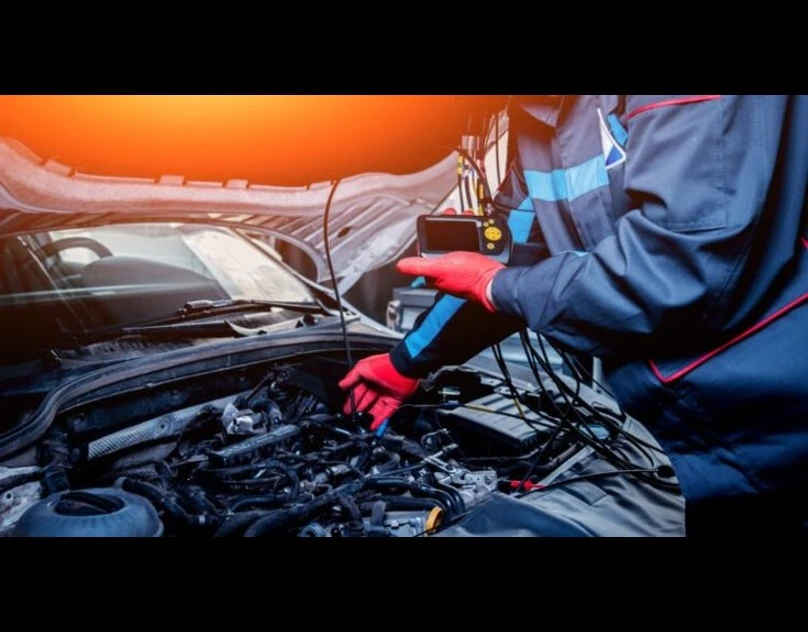

Diesel engines are renowned for their durability, power, and fuel efficiency, but they also emit dangerous pollutants. That’s why most modern diesel automobiles include a Diesel Particulate Filter (DPF), a critical component that captures and reduces particulate matter (soot) from exhaust emissions.
Over time, however, this filter becomes clogged, resulting in decreased performance, increased fuel consumption, and even potential engine damage. This is when DPF cleaning equipment comes in handy. In this blog, we will look at how DPF cleaning devices not only clean filters, but also dramatically enhance engine efficiency.
What Happens When a DPF Gets Clogged?
A blocked DPF reduces exhaust flow, resulting in:
- Reduced engine performance.
- Increased fuel usage.
- Higher emissions.
- Engine warning light and limp mode
- Risk of engine or turbocharger damage
This is why regular and proper DPF cleaning is crucial for engine health and performance.
How a DPF Cleaning Machine Works
A DPF cleaning machine securely removes soot and ash buildup from the DPF by using high-pressure air, thermal regeneration, water-based flushing, or a combination of these methods. Unlike traditional on-vehicle regeneration, these machines provide thorough, off-vehicle cleaning with accurate results.
Steps usually include:
- Pre-clean inspection and flow test.
- Air pulses or fluid-based cleaning
- Thermal drying (optional).
- Post-clean inspection and backpressure testing
As a result, the DPF filter is clean and entirely repaired, practically like new.
Ways a DPF Cleaning Machine Improves Engine Efficiency
1. Restores Proper Exhaust Flow
A DPF cleaning machine removes obstacles in the filter, allowing exhaust gases to flow freely, lowering backpressure and boosting engine breathing capability.
2. Improves Fuel Efficiency
When a DPF becomes blocked, the engine works harder to push exhaust through. This added strain causes higher fuel consumption. Cleaning the DPF helps restore normal combustion and lowers fuel expenditures.
3. Reduces Regeneration Cycles
A clean DPF requires less frequent active regeneration, which saves fuel and reduces thermal stress on engine components.
4. Prevents Costly Repairs
Regular DPF cleaning avoids damage to turbochargers, injectors, and EGR valves, extending engine life and lowering long-term maintenance costs.













Sign in to leave a comment.