

In the rapidly evolving world of industrial automation and control, reliability is not just a desirable feature—it is an absolute necessity. Downtime, system failures, and maintenance interruptions can lead to significant financial losses, production delays, and even safety hazards. As industries embrace digital transformation, the demand for robust, compact, and maintenance-free computing solutions has never been higher. This is where the Fanless Mini PC emerges as a game-changer for industrial applications.
At ValanoIPC, we understand the unique challenges faced by manufacturers, system integrators, and automation engineers. Industrial environments are often harsh, with exposure to dust, vibration, extreme temperatures, and electromagnetic interference. Traditional desktop PCs or consumer-grade computers, with their moving parts and cooling fans, are prone to failure in such conditions. In contrast, a Fanless Mini PC is specifically engineered to thrive in these demanding settings, offering unparalleled reliability, longevity, and performance.
Understanding Fanless Mini PCs
What is a Fanless Mini PC?
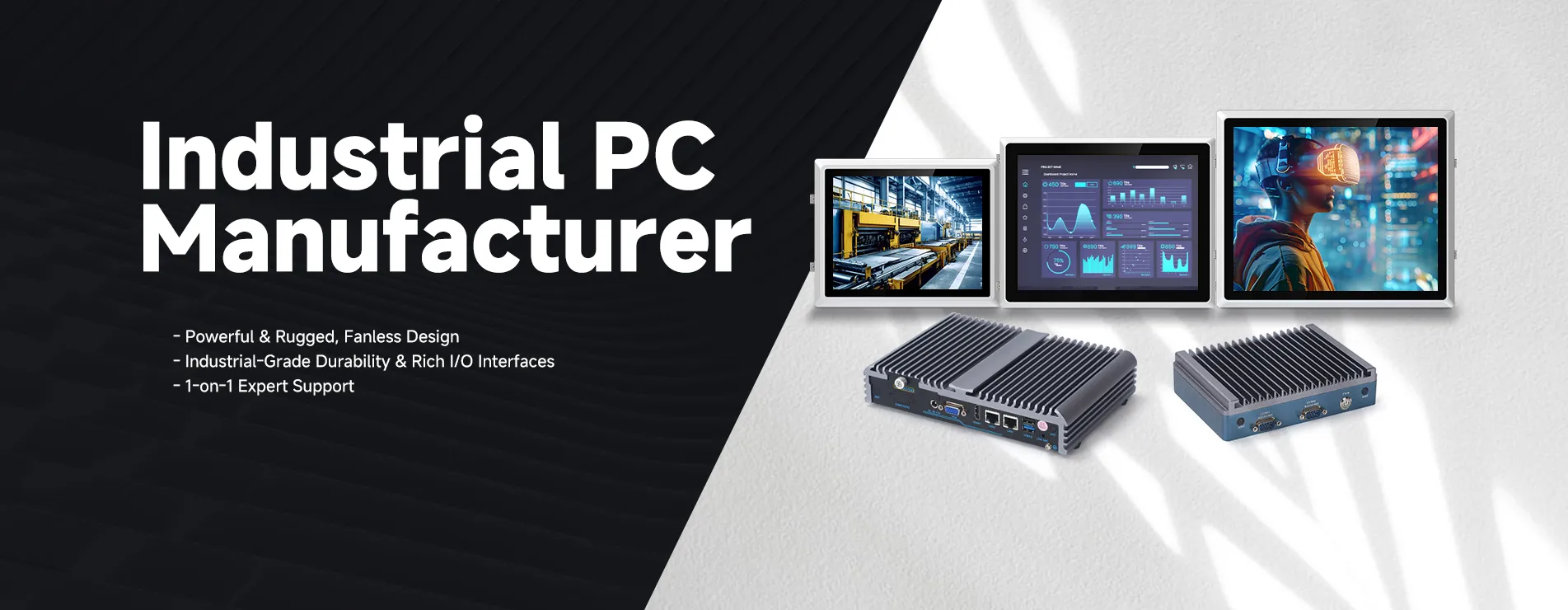
A Fanless Mini PC is a compact, fully enclosed computer that uses passive cooling methods—such as heat sinks and thermal conduction—rather than traditional fans to dissipate heat. By eliminating moving parts, these systems reduce the risk of mechanical failure, minimize maintenance requirements, and operate silently. Fanless Mini PCs are typically built with industrial-grade components, ruggedized enclosures, and wide temperature tolerances, making them ideal for deployment in challenging environments.
Key Features of Fanless Mini PCs:
- Passive Cooling: Utilizes heat sinks, thermal pads, and conductive chassis to manage heat without fans.
- Compact Form Factor: Small footprint allows for easy integration into control panels, kiosks, or tight spaces.
- Rugged Design: Resistant to dust, vibration, shock, and electromagnetic interference.
- Wide Temperature Range: Operates reliably in extreme hot or cold conditions.
- Low Power Consumption: Energy-efficient design reduces operational costs.
- Silent Operation: No fan noise, making them suitable for noise-sensitive environments.
The Reliability Challenge in Industrial Applications
Industrial environments present a unique set of challenges for computing hardware:
- Dust and Particulates: Factories, warehouses, and processing plants often have airborne dust or debris that can clog fans and cause overheating.
- Vibration and Shock: Machinery, conveyors, and vehicles generate constant vibration, which can damage moving parts in traditional PCs.
- Temperature Extremes: Outdoor installations or facilities with poor climate control may experience wide temperature fluctuations.
Continuous Operation: Many industrial systems run 24/7, requiring hardware that can operate reliably for years without interruption. - Limited Maintenance Access: Equipment may be installed in hard-to-reach locations, making regular maintenance impractical.
Traditional computers with fans and hard drives are vulnerable to these conditions. Fans can fail, bearings can wear out, and dust can accumulate, leading to overheating and system crashes. This is why the Fanless Mini PC has become the preferred choice for industrial automation, control, and monitoring.
How a Fanless Mini PC Improves Reliability?
1. Elimination of Moving Parts
The most significant advantage of a Fanless Mini PC is the absence of moving parts. Fans and spinning hard drives are common points of failure in traditional computers. By using solid-state drives (SSDs) and passive cooling, Fanless Mini PCs drastically reduce the risk of mechanical breakdowns, resulting in longer mean time between failures (MTBF).
2. Dust and Debris Resistance
Without fans to draw in air, a Fanless Mini PC is far less susceptible to dust ingress. The sealed enclosure prevents dust, metal shavings, and other particulates from entering the system, which is crucial in environments like woodworking shops, metal fabrication plants, and food processing facilities.
3. Vibration and Shock Tolerance
Fanless Mini PCs are often built with ruggedized components and solid-state storage, making them highly resistant to vibration and shock. This makes them ideal for use on factory floors, in vehicles, or on mobile equipment where constant movement is the norm.
4. Wide Operating Temperature Range
Industrial Fanless Mini PCs are designed to operate in extreme temperatures, often ranging from -20°C to +70°C or more. This ensures reliable performance in outdoor installations, cold storage facilities, or near heat-generating machinery.
5. Reduced Maintenance and Downtime
With no fans to replace or clean, and no moving parts to wear out, Fanless Mini PCs require minimal maintenance. This translates to less downtime, lower maintenance costs, and improved overall equipment effectiveness (OEE).
6. Silent Operation
In environments where noise is a concern—such as laboratories, control rooms, or medical facilities—a Fanless Mini PC operates silently, contributing to a more comfortable and productive workspace.
Real-World Applications of Fanless Mini PCs in Industry
1. Factory Automation and Control
Fanless Mini PCs are widely used as programmable logic controllers (PLCs), human-machine interfaces (HMIs), and SCADA system nodes. Their reliability ensures uninterrupted control of production lines, robotic arms, and process monitoring.
2. Industrial IoT Gateways
As the Industrial Internet of Things (IIoT) grows, Fanless Mini PCs serve as edge devices, collecting and processing data from sensors and machines before transmitting it to the cloud or central servers.
3. Digital Signage and Kiosks
In public spaces, transportation hubs, and retail environments, Fanless Mini PCs power digital signage and interactive kiosks, where reliability and low maintenance are essential.
4. Transportation and Vehicle Computing
Fanless Mini PCs are used in trains, buses, trucks, and autonomous vehicles for navigation, surveillance, and fleet management, thanks to their resistance to vibration and temperature extremes.
5. Energy and Utilities
Power plants, substations, and renewable energy installations deploy Fanless Mini PCs for monitoring, control, and data logging in remote or harsh environments.
6. Medical and Laboratory Equipment
In healthcare and research, Fanless Mini PCs are used in diagnostic machines, imaging systems, and laboratory automation, where cleanliness and silent operation are critical.
Key Considerations When Choosing a Fanless Mini PC
When selecting a Fanless Mini PC for your industrial application, consider the following factors:
1. Processing Power and Memory
Choose a model with sufficient CPU performance and RAM for your application, whether it’s simple data logging or complex machine vision.
2. I/O Connectivity
Ensure the PC has the necessary ports (USB, serial, Ethernet, GPIO, etc.) to interface with your equipment and networks.
3. Storage Options
Opt for SSDs for maximum reliability and speed. Consider storage capacity based on your data requirements.
4. Mounting and Form Factor
Select a form factor (DIN rail, wall mount, VESA, etc.) that fits your installation environment.
5. Operating System Compatibility
Verify support for your preferred OS (Windows, Linux, or specialized RTOS).
6. Certifications and Compliance
Look for certifications such as CE, FCC, UL, or industry-specific standards for safety and electromagnetic compatibility.
7. Support and Warranty
Choose a reputable supplier like ValanoIPC that offers technical support, customization, and warranty coverage.
Installation and Maintenance Tips
- Proper Placement: Install the Fanless Mini PC in a location with adequate airflow around the chassis for passive cooling.
- Secure Mounting: Use appropriate brackets or mounts to prevent movement or vibration.
- Cable Management: Organize cables to avoid strain on connectors and ensure easy access for maintenance.
- Regular Inspection: Periodically check for signs of overheating or physical damage, even though maintenance needs are minimal.
- Firmware and Software Updates: Keep the system updated to ensure security and optimal performance.
Why Choose ValanoIPC for Your Fanless Mini PC Needs?
At ValanoIPC, we are dedicated to delivering high-quality, reliable Fanless Mini PCs tailored to the demands of industrial environments. Our products are engineered with advanced thermal management, rugged enclosures, and industrial-grade components to ensure maximum uptime and performance.
Our advantages include:
- Wide range of customizable models and configurations
- Expert technical support and application engineering
- Fast delivery and responsive customer service
- Long-term availability and lifecycle management
- Competitive pricing and industry-leading warranties
A Fanless Mini PC is the ultimate solution for improving reliability in industrial applications. By eliminating moving parts, resisting harsh environmental factors, and minimizing maintenance, these compact computers ensure continuous, trouble-free operation in even the most demanding settings. At ValanoIPC, we are committed to helping you achieve maximum uptime, efficiency, and peace of mind with our advanced Fanless Mini PC solutions.
Frequently Asked Questions (FAQ)
1. What makes a Fanless Mini PC more reliable than a traditional PC in industrial settings?
A Fanless Mini PC eliminates moving parts like fans and hard drives, which are common points of failure. Its sealed design protects against dust, vibration, and temperature extremes, resulting in higher reliability and longer service life.
2. Can a Fanless Mini PC handle high-performance applications?
Yes, modern Fanless Mini PCs are available with powerful CPUs, ample RAM, and advanced graphics capabilities, suitable for demanding tasks such as machine vision, data analysis, and real-time control.
3. How do Fanless Mini PCs dissipate heat without a fan?
They use passive cooling methods, such as heat sinks, thermal pads, and conductive chassis materials, to transfer heat away from critical components.
4. Are Fanless Mini PCs suitable for outdoor use?
Many models are designed for outdoor or harsh environments, with wide temperature ranges, weatherproof enclosures, and industrial certifications.
5. What operating systems are supported?
Fanless Mini PCs from ValanoIPC support a variety of operating systems, including Windows, Linux, and specialized real-time operating systems.
6. How do I maintain a Fanless Mini PC?
Maintenance is minimal. Periodically inspect for physical damage and ensure the chassis is free from obstructions that could impede passive cooling.
7. Can I customize the I/O ports or features of a Fanless Mini PC?
Yes, ValanoIPC offers customization options for I/O ports, storage, memory, and other features to meet specific application requirements.
8. What is the typical lifespan of a Fanless Mini PC?
With proper installation and minimal maintenance, Fanless Mini PCs can operate reliably for 5–10 years or more, depending on usage and environment.
9. Are Fanless Mini PCs energy efficient?
Yes, their low-power design reduces energy consumption, making them ideal for applications where power efficiency is important.
10. How do I order a Fanless Mini PC from ValanoIPC?
Contact our sales team with your application requirements, including processing needs, I/O preferences, and environmental conditions. We will recommend the best solution and guide you through the ordering process.




























Sign in to leave a comment.