
Why Physical Conditioning Matters in Tennis
Tennis demands much more than the ability to hit a ball accurately across the court. Every match challenges speed, endurance, balance, coordination, flexibility, and mental focus. Players constantly sprint, stop, change direction, and react within fractions of a second. Those physical demands explain why structured conditioning has become an essential part of modern tennis training.
A well-designed fitness program for tennis players helps athletes develop the strength and stamina needed to handle long rallies and intense matches. Whether someone plays recreationally or competitively, physical preparation often determines how effectively skills translate into performance during real match situations.
Building Strength for More Powerful Shots
Many players focus heavily on technique while overlooking the physical foundation behind every stroke. Powerful serves, forehands, and backhands rely on coordinated movement from the legs, core, shoulders, and arms. Strength training develops these muscle groups and allows players to generate greater force without sacrificing control.
A carefully planned best tennis workout program includes exercises that improve functional strength rather than simply increasing muscle size. Squats, lunges, medicine ball rotations, and resistance exercises teach the body to produce explosive movements that support stronger and more consistent shot-making on the court.
Speed and Agility Create a Competitive Edge
Ever wonder why some players seem to reach impossible shots while others struggle to cover the court? The answer often lies in agility and footwork training. Tennis requires rapid acceleration, sudden stops, and quick directional changes.
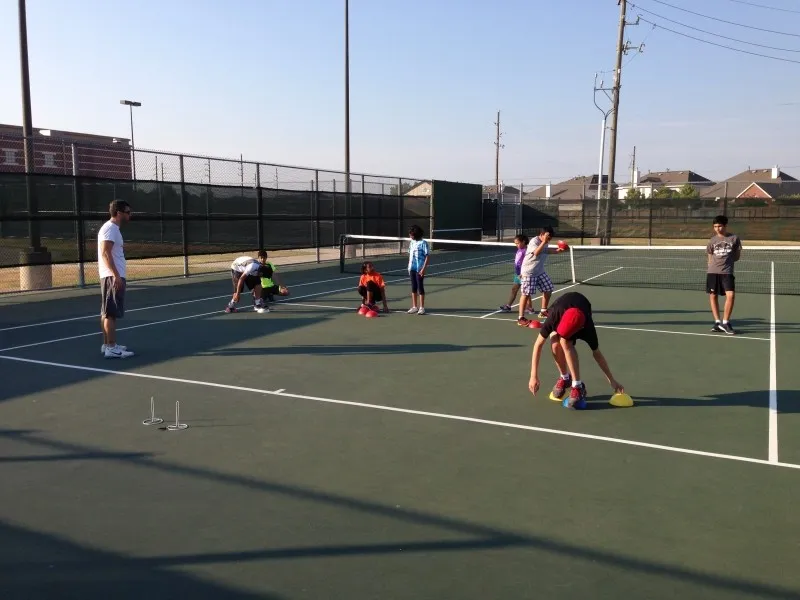
Training drills that improve reaction time and movement efficiency allow players to reach the ball earlier and recover faster between shots. A dedicated fitness program for tennis players typically incorporates ladder drills, cone exercises, sprint intervals, and lateral movement training. These activities sharpen court awareness while helping athletes move with greater confidence during competitive play.
Endurance Supports Consistency Throughout Matches
Many tennis matches are not won by a single spectacular shot. Victory frequently belongs to the player who maintains energy and focus from the first point to the last. Cardiovascular conditioning strengthens the body's ability to sustain effort over extended periods. Running, cycling, interval training, and court-specific endurance exercises improve stamina while reducing fatigue.
Players following the best tennis workout program often discover that they can maintain proper form and decision-making even during long matches. That extra endurance becomes particularly valuable during tournaments where multiple matches may occur within a short timeframe.
Injury Prevention Through Smart Training
Tennis places repeated stress on the shoulders, elbows, knees, hips, and ankles. Without proper conditioning, overuse injuries can develop and interrupt training progress. Strengthening stabilizing muscles and improving flexibility reduces strain on vulnerable joints. Mobility exercises and recovery routines also contribute significantly to long-term athletic health.
A comprehensive fitness program for tennis players addresses these factors by balancing performance development with injury prevention. Rather than waiting for physical problems to appear, players can proactively build resilience and reduce the likelihood of setbacks that keep them away from the court.
Developing Young Athletes Through Structured Fitness
Children and teenagers benefit tremendously from age-appropriate conditioning activities. Young athletes need training that develops coordination, balance, and athletic confidence while keeping sessions engaging and enjoyable.
Programs that combine movement-based games with foundational fitness exercises often produce better long-term results than highly repetitive routines. Facilities such as Katy Tennis Academy emphasize teaching tennis fundamentals while incorporating enjoyable physical development activities that support overall athletic growth. After all, if training feels like a chore, young players may start counting clouds instead of tennis balls.
Mental Benefits of Physical Fitness
Physical preparation influences much more than muscles and movement. Improved fitness contributes directly to concentration, confidence, and emotional control during matches. Athletes who feel physically prepared often approach challenges with greater composure because they trust their ability to handle demanding situations.
Following the best tennis workout program can help players remain mentally engaged during lengthy rallies and pressure-filled moments. Better conditioning also reduces the distraction of fatigue, allowing players to focus on strategy and execution rather than simply trying to catch their breath.
Creating a Balanced Training Routine
No single exercise can prepare a player for every aspect of tennis. Effective development requires a balanced combination of strength training, cardiovascular conditioning, agility drills, flexibility work, and recovery practices. Consistency matters far more than occasional bursts of intense effort.
A properly structured fitness program for tennis players adapts to an individual's age, goals, skill level, and physical condition. Regular assessments and gradual progression ensure continued improvement while minimizing unnecessary strain. Players who follow a balanced approach often experience steady gains in both physical performance and overall enjoyment of the sport.
Conclusion
Tennis performance depends on far more than technical ability alone. Strength, endurance, agility, mobility, recovery, and mental focus all contribute to success on the court. A thoughtfully designed best tennis workout program helps players build the physical qualities necessary to perform consistently and confidently during practice and competition.
At the same time, a comprehensive training approach supports long-term health and injury prevention. Organizations such as Katy Tennis Academy recognize the value of combining skill development with physical conditioning, creating an environment where players can strengthen their game while enjoying the learning process. When fitness and technique work together, players gain the tools needed to perform at their highest potential.



























Sign in to leave a comment.