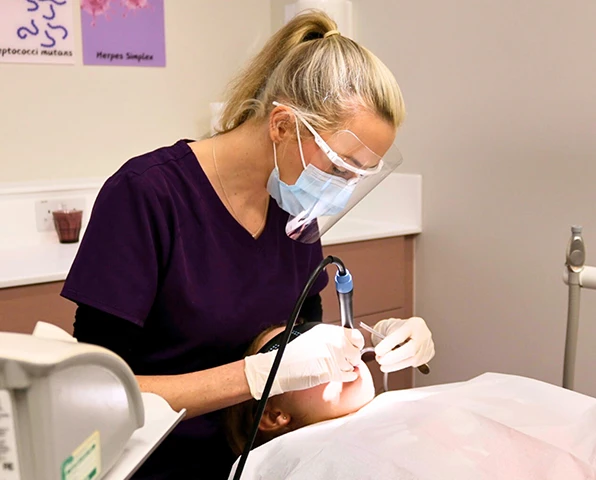

Calculus, often referred to as tartar, is a hardened deposit that forms on teeth when plaque is not removed effectively through brushing and flossing. Once it has developed, it cannot be removed at home and requires professional attention. Dental hygienists play a vital role in maintaining oral health by safely removing these deposits to prevent gum disease and other complications. This article explores how a hygienist removes calculus safely, the tools involved, and why regular hygiene visits are essential for managing calculus teeth.
Understanding Calculus on Teeth
Calculus begins as plaque a sticky biofilm of bacteria that accumulates on teeth throughout the day. If left unremoved, plaque begins to mineralise within 24 to 72 hours, forming calculus. It typically appears along the gumline and between teeth, and it can be yellow, brown, or even black, depending on dietary habits and how long it has been present.
What makes calculus teeth concerning is their rough surface, which provides an ideal environment for more plaque to adhere and thrive. This leads to gum inflammation (gingivitis), bleeding, and eventually, more serious conditions such as periodontitis. Because calculus bonds tightly to the tooth surface, specialised skills and equipment are required for its removal.
Why Only Professionals Should Remove Calculus
Attempting to remove calculus at home using sharp tools or scraping methods is not only ineffective but can also damage the enamel or gums. Hygienists are specifically trained to detect and remove calculus using techniques that protect the integrity of both teeth and soft tissue.
Moreover, professional cleaning goes beyond what can be achieved with a toothbrush or floss. The tools used by hygienists are designed to safely navigate difficult-to-reach areas and remove calculus without causing harm.
Tools Used by Dental Hygienists
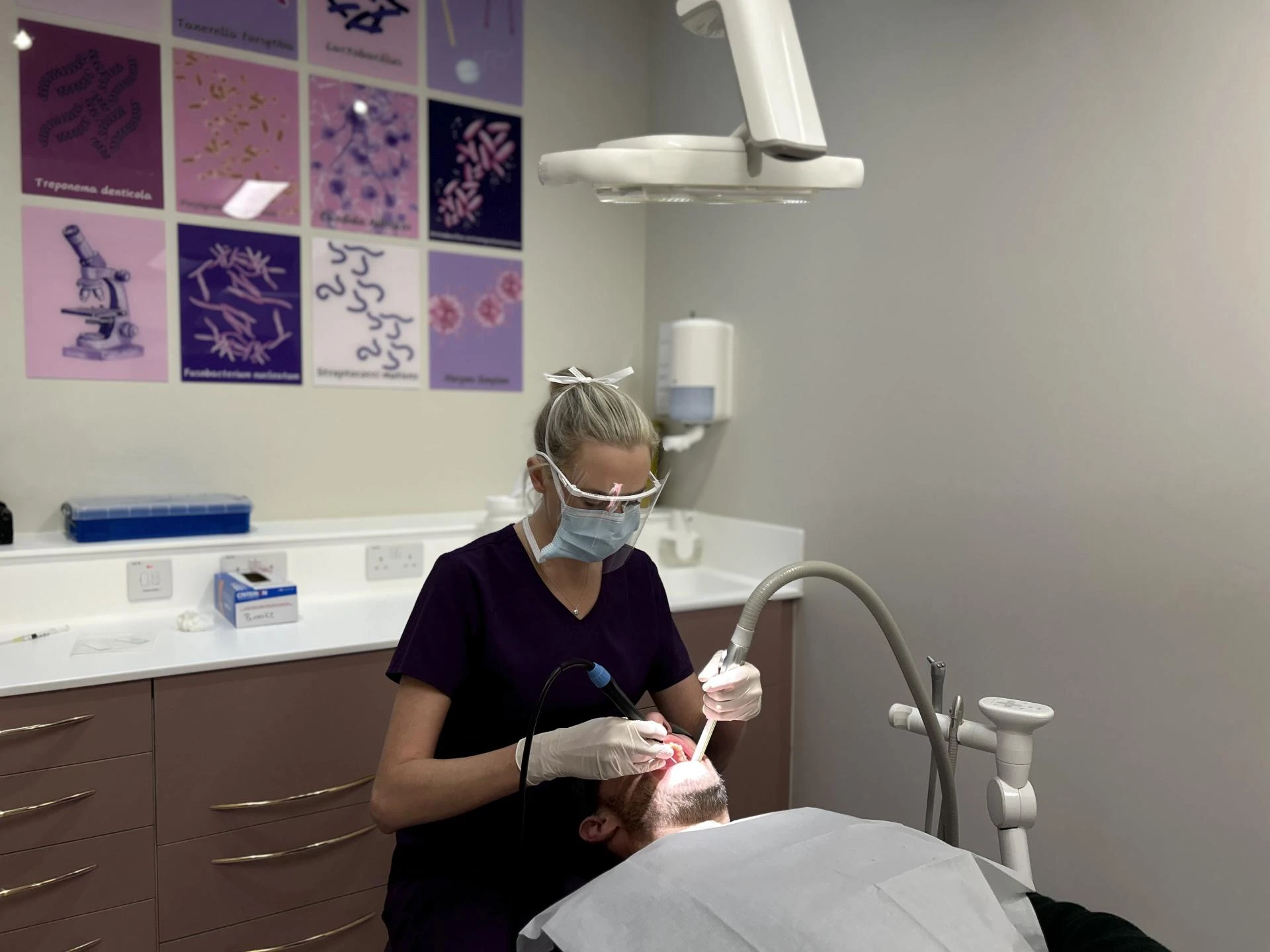
Hygienists use a variety of manual and ultrasonic tools to remove calculus. Each method is chosen based on the amount, location, and hardness of the deposits.
1. Manual Scaling Instruments
These include curettes and scalers, which come in various shapes and sises to access all areas of the mouth. Manual scaling involves skilful scraping motions to gently lift calculus from the tooth surface. The hygienist takes care to avoid excessive pressure, ensuring that the enamel and gum tissue remain unharmed.
2. Ultrasonic Scalers
Ultrasonic scalers use high-frequency vibrations to break up calculus deposits. The tip of the instrument vibrates rapidly while spraying a fine mist of water to cool the area and flush away debris. This method is especially effective for removing large or stubborn deposits, as it reduces the need for prolonged manual scraping.
Ultrasonic scaling is often followed by manual scaling for a more detailed clean. Together, these tools ensure that even the most tenacious calculus teeth are thoroughly addressed.
The Step-by-Step Process of Calculus Removal
Hygienists follow a systematic process to ensure patient comfort and safety throughout the procedure. Here’s what typically happens during a cleaning appointment focused on calculus removal:
1. Initial Assessment
The hygienist begins by visually examining the mouth and may use a small mirror or periodontal probe to detect areas of concern. This includes measuring gum pocket depths and identifying signs of inflammation or bleeding. Dental x-rays might also be reviewed to detect calculus below the gumline.
2. Plaque and Calculus Detection
Special dyes or disclosing solutions may be applied to highlight areas of plaque buildup. These areas often indicate where calculus has formed. Once identified, the hygienist selects the appropriate instruments for removal.
3. Scaling Above and Below the Gumline
Removal begins with scaling above the gumline (supragingival calculus), followed by the more delicate process of cleaning below the gumline (subgingival calculus). Subgingival deposits are particularly harmful as they are closer to the roots and surrounding bone.
During this process, the hygienist works meticulously, ensuring each tooth surface is free from hardened deposits. Attention is paid to technique and pressure to minimise sensitivity or discomfort.
4. Polishing and Finishing Touches
Once the calculus has been removed, teeth are polished using a mildly abrasive paste. Polishing smooths the tooth surfaces, making it harder for plaque to stick in the future. Some hygienists may also apply fluoride varnish or other remineralising treatments, depending on individual needs.
5. Post-Cleaning Advice
At the end of the appointment, the hygienist provides tailored oral hygiene advice. This may include brushing techniques, the use of interdental brushes, and product recommendations to help maintain a clean environment and reduce the risk of future calculus formation.
Benefits of Regular Hygiene Visits
Regular appointments with a dental hygienist are essential for preventing the accumulation of calculus and maintaining gum health. Even with the best brushing habits, some plaque will inevitably harden over time. Professional cleanings help intercept problems early and reduce the risk of tooth loss, infections, and costly treatments down the line.
Additionally, hygienists are trained to detect other signs of oral health issues, including decay, erosion, and even systemic health indicators such as vitamin deficiencies or diabetes-related oral symptoms.
Preventing the Build-Up of Calculus
While calculus cannot be removed at home, its formation can be slowed down through effective daily care. Some preventive tips include:
- Brushing twice daily with a fluoride toothpaste and a soft-bristled toothbrush.
- Using interdental brushes or floss to clean between teeth.
- Rinsing with water after meals reduces plaque formation.
- Limiting sugary and starchy foods, which feed plaque-forming bacteria.
- Staying hydrated, as a dry mouth contributes to faster plaque mineralisation.
Some individuals are more prone to calculus due to natural saliva composition, tight crowding of teeth, or underlying medical conditions. In such cases, more frequent visits to the hygienist may be recommended.
Safe, Skilled and Preventive Care
The removal of calculus from teeth is not merely a cosmetic procedure; it is a crucial element of preventive dentistry. Hygienists are trained to manage calculus teeth safely, using precise techniques and specialised tools to protect both teeth and gums.
Understanding what the process involves can help patients feel more at ease and proactive in maintaining their oral health. By committing to regular hygiene visits and daily care, the accumulation of calculus can be kept in check, supporting long-term dental and overall well-being.



























Sign in to leave a comment.