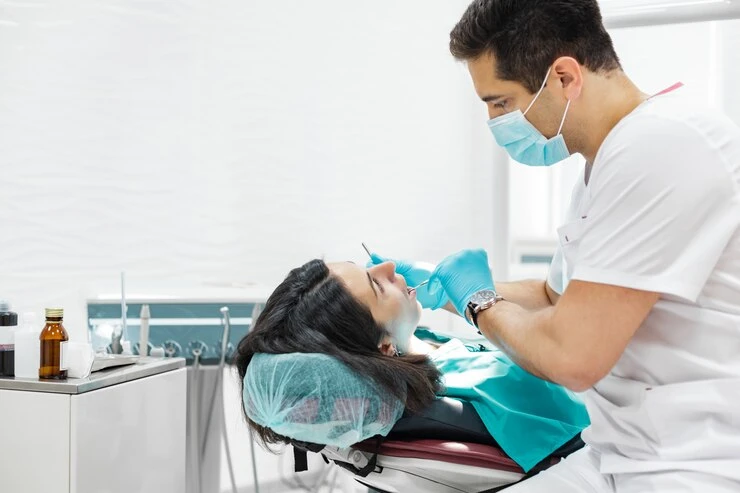

Dental problems don’t always come with a warning. One moment, you’re enjoying a meal, and the next, you’re clutching your jaw in agony or noticing a chipped tooth in the mirror. These scenarios highlight the need for knowing how to handle a dental emergency when it strikes unexpectedly. Being prepared can help reduce pain, prevent further damage, and potentially save a tooth.
Whether it's a sudden toothache, a knocked-out tooth, or a cracked crown, prompt action is key. This guide provides practical steps to take during various dental crises, ensuring you know what to do when urgency replaces routine.
Recognising a Dental Emergency
Not every dental issue requires immediate attention, but it’s vital to recognise which situations qualify as urgent. Common dental emergency scenarios include:
- Severe toothache or throbbing pain
- Knocked-out or dislodged teeth
- Cracked or fractured teeth
- Lost fillings or crowns
- Bleeding that doesn’t stop
- Swelling in the gums, jaw, or face
- Signs of infection, such as fever and pus
Pain and swelling are not just inconvenient—they could indicate serious underlying problems such as abscesses or fractures. If symptoms are intense or worsening, seeking emergency dental care is essential.
Immediate Steps to Take in a Dental Emergency
1. Stay Calm and Assess the Situation
The initial shock of a dental emergency can trigger panic, but staying calm allows for clearer thinking. Assess the problem: Is it a missing tooth? Is there bleeding? Can you see visible damage? The answers will help determine the next steps and whether you should head to the dentist immediately.
2. Stop the Bleeding
If the emergency involves trauma that causes bleeding, gently rinse your mouth with warm water to clear away blood and debris. Then apply gentle pressure using sterile gauze or a clean cloth. If bleeding persists for more than 10 minutes, seek urgent care.
3. Handle Knocked-Out Teeth Correctly
When a tooth is completely dislodged, time is of the essence. Carefully pick up the tooth by the crown (the chewing surface) and avoid touching the root. If possible, try placing the tooth back in the socket. If that’s not feasible, store it in a container of milk or a saline solution. This keeps the root cells alive for potential reattachment, especially if you reach a dentist within 30 to 60 minutes.
4. Manage a Toothache with Care
A sudden toothache can indicate anything from decay to infection. Rinse your mouth with warm saltwater to cleanse the area and dislodge any food particles. Use a cold compress on the outside of your cheek to reduce swelling. Over-the-counter pain relief, such as paracetamol or ibuprofen, can help, but avoid placing aspirin directly on the gums, as it may irritate.
Common Dental Emergencies and How to Respond
Cracked or Fractured Teeth
Cracks can range from minor to severe. For a chipped tooth with no pain, it may not be an emergency, but it’s still important to schedule an appointment promptly. If there’s pain, swelling, or bleeding, it’s a sign the damage has reached the nerve or blood vessels, requiring urgent treatment.
Rinse with warm water, apply a cold compress to manage swelling, and avoid chewing on that side of your mouth until seen by a dentist.
Lost Filling or Crown
A missing filling or crown can expose the sensitive inner layers of your tooth. If a crown has fallen off, keep it in a safe place and try to avoid biting down on that tooth. Dental cement, available at most pharmacies, can be used as a temporary fix. This protects the area until your dentist can provide a permanent solution.
Dental Abscesses
An abscess is a painful infection at the root of a tooth or between the gum and tooth. Symptoms may include severe pain, facial swelling, fever, and a foul taste in the mouth. These infections can spread quickly if untreated, so it's vital to seek immediate dental help. Until then, rinse with a mild saltwater solution to draw out infection and reduce pain.
When to Go to A&E Instead of a Dentist
While most dental emergencies are handled by dentists, there are times when a hospital visit is more appropriate. Head to A&E if:
- The pain is unbearable and unmanageable with standard pain relief
- There is uncontrolled bleeding after trauma
- You suspect a broken jaw
- Swelling affects your breathing or vision
Hospitals can address major infections and trauma, stabilising the situation before dental follow-up.
Finding a Dentist in an Emergency
Many people are unsure who to contact when a dental emergency occurs after hours or during a bank holiday. Here’s what you can do:
- Call your regular dentist – Many practices have recorded messages with instructions for out-of-hours emergencies.
- Use NHS 111 – They can guide you to the nearest available emergency dentist.
- Search online for “emergency dentist near me” – Be sure to check reviews and availability. Some private practices offer same-day appointments.
- Visit an urgent dental centre – These are set up to deal with serious issues that cannot wait for a routine appointment.
It’s advisable to keep the number of a local emergency dentist saved in your phone for peace of mind.
Preventing Future Emergencies
While accidents happen, many dental emergencies are preventable with proper care:
- Attend regular dental check-ups to catch issues early
- Avoid chewing on hard foods or objects (ice, pens, etc.)
- Wear a mouthguard during contact sports
- Don’t use your teeth as tools to open packaging
- Maintain good oral hygiene to prevent decay and gum disease
Taking these steps not only preserves your oral health but also reduces the risk of unexpected and often painful emergencies.
Keep a Dental First Aid Kit
Having a small dental emergency kit at home or while travelling can make a significant difference. Include:
- Sterile gauze and cotton balls
- Over-the-counter pain relievers
- Temporary dental cement
- Saline solution or a small container of milk
- Dental floss
- The contact number of your dentist or local emergency clinic
Preparation gives you the tools to act quickly and effectively when the unexpected occurs.
Facing a dental emergency is never pleasant, but knowing how to respond can help you stay in control and reduce complications. With a calm mindset, a few first-aid essentials, and a solid understanding of when and where to seek help, you’ll be ready to handle any oral crisis that arises—day or night.


























Sign in to leave a comment.