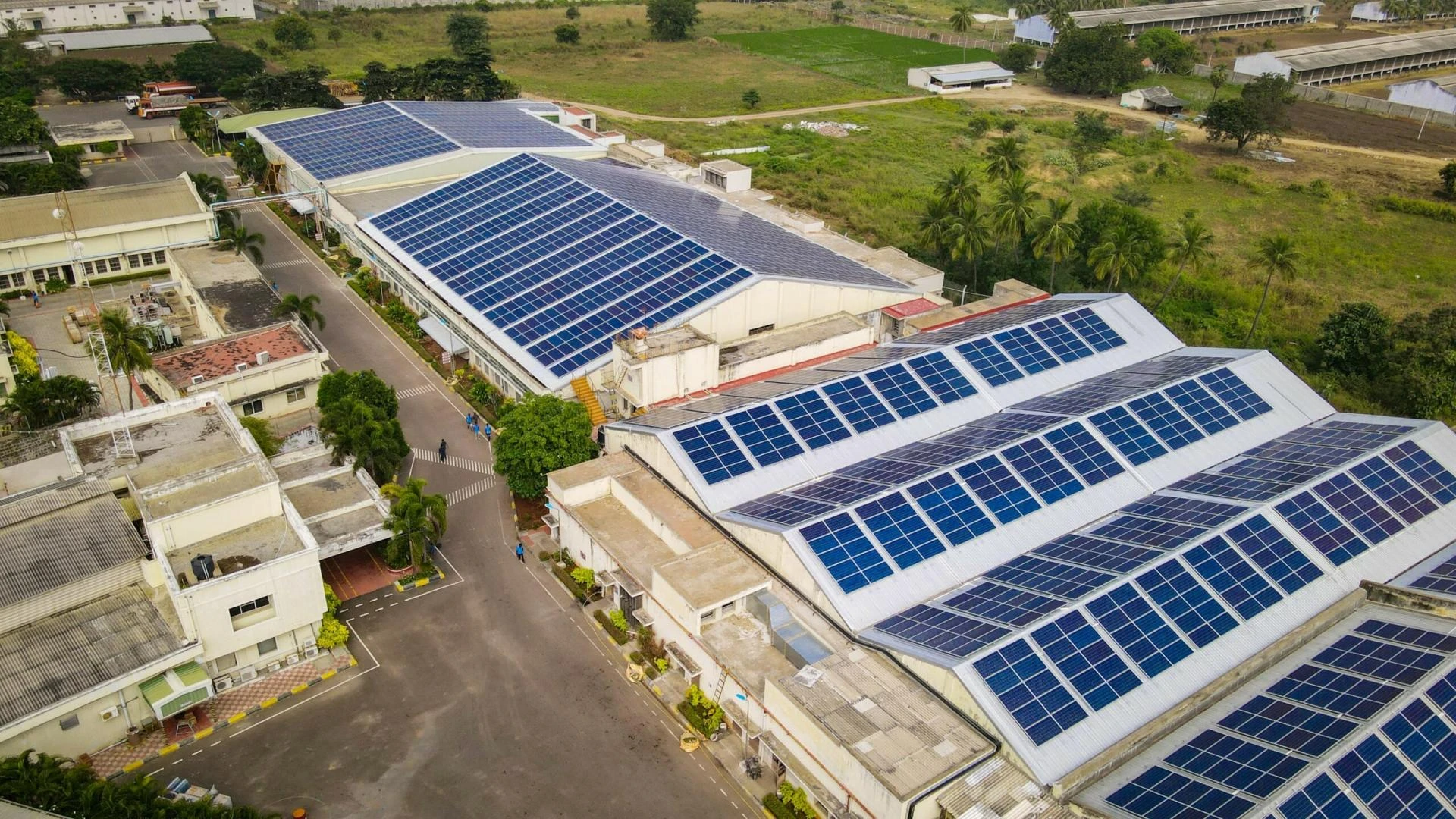

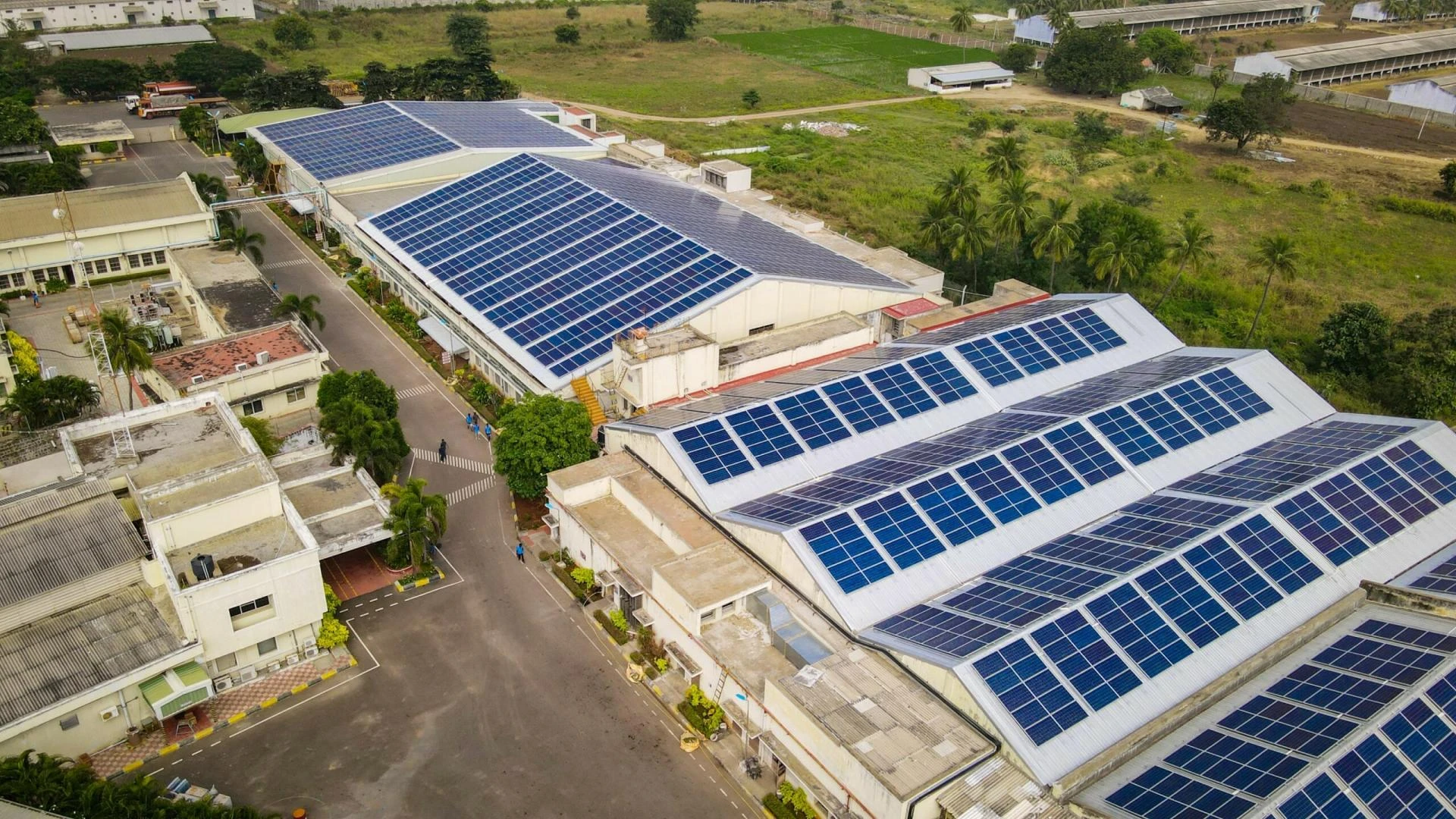
A residential solar panel system is becoming one of the most popular energy solutions for homeowners who want to reduce electricity costs and live more sustainably. With rising power prices and growing environmental awareness, installing solar panels at home is no longer a luxury — it’s a smart long-term investment.
What Is a Residential Solar Panel System?
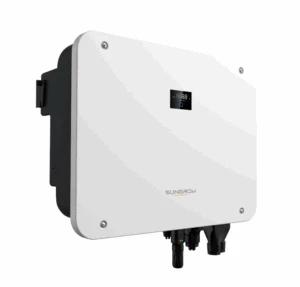
A residential solar panel system is designed specifically for homes to generate electricity from sunlight. The system typically includes solar panels, a solar inverter, mounting structures, and sometimes a battery storage unit. The panels capture sunlight and convert it into direct current (DC) electricity, which the inverter then converts into usable alternating current (AC) power for your household appliances.
This system allows homeowners to generate their own electricity, reducing dependence on the grid and lowering monthly utility bills.
Key Benefits of Installing Solar at Home
1. Lower Electricity Bills
One of the biggest advantages of a residential solar panel system is significant savings on power bills. By generating your own electricity, you rely less on your energy provider, especially during peak daylight hours.
2. Environmentally Friendly
Solar energy is clean and renewable. Unlike fossil fuels, it does not produce harmful emissions. By installing solar panels, you reduce your carbon footprint and contribute to a greener future.
3. Increase in Property Value
Homes equipped with solar systems are often more attractive to buyers. Many property owners see an increase in resale value because future buyers benefit from lower electricity costs.
4. Energy Independence
With optional battery storage, homeowners can store excess energy generated during the day and use it at night or during power outages. This provides greater energy security and reliability.
How Does a Residential Solar Panel System Work?
During the day, solar panels absorb sunlight and generate electricity. Any excess electricity can either be sent back to the grid (depending on local regulations) or stored in a battery system. At night, you can use stored energy or draw power from the grid if needed.
Modern systems are highly efficient and require minimal maintenance. Most solar panels come with long warranties, often lasting 20–25 years, making them a durable and dependable investment.
Is Solar Right for Your Home?
Before installing a residential solar panel system, it’s important to consider factors such as roof condition, sunlight exposure, and household energy consumption. A professional solar installer can conduct a site assessment to determine the best system size and configuration for your needs.
Homes with good sun exposure and sufficient roof space typically see the highest returns on investment. However, even properties with moderate sunlight can benefit from solar energy.
Final Thoughts
Investing in a residential solar panel system is a forward-thinking decision that offers financial savings, environmental benefits, and long-term reliability. As technology continues to improve and installation costs become more affordable, more homeowners are making the switch to solar power.
If you’re ready to reduce your electricity bills and embrace clean energy, now is the perfect time to explore a customised residential solar solution for your home.
























Sign in to leave a comment.