
Every organization, whether a small manufacturing unit or a large enterprise, owns a mix of physical and digital assets — machinery, vehicles, IT equipment, furniture, and tools — that keep daily operations running. Tracking the location, condition, depreciation, and lifecycle of these assets manually through spreadsheets often leads to errors, asset loss, and compliance headaches. This is exactly why more companies are turning to Assets Management Software to bring accuracy, visibility, and control to their asset records.
The Problem With Manual Asset Tracking
Spreadsheets and paper registers might work when a business owns a handful of assets, but as operations scale, so does the complexity of managing them. Common challenges include:
- Assets going missing or being misplaced across departments or locations
- Inaccurate depreciation calculations that affect financial statements
- No real-time visibility into asset condition or maintenance history
- Difficulty during audits due to incomplete or outdated records
- Manual data entry errors that snowball into costly mistakes
These issues don't just create administrative friction — they directly impact profitability, compliance, and decision-making. This is where a dedicated Fixed Assets Management Software solution becomes essential.
What Makes Fixed Asset Management Software Different
Unlike generic inventory tools, fixed asset management platforms are purpose-built to handle the entire lifecycle of an asset — from procurement and tagging to depreciation, maintenance, transfer, and eventual disposal. A well-designed system typically offers:
Asset Tagging and Identification Barcode or QR-code-based tagging allows every asset to be uniquely identified and scanned instantly, eliminating guesswork during physical verification.
Automated Depreciation Calculation Instead of manually calculating depreciation using different accounting methods, the software automates it, ensuring accurate financial reporting and audit readiness.
Real-Time Location and Custodian Tracking Know exactly where an asset is, who is using it, and which department it belongs to — at any given moment, from any location.
Maintenance Scheduling Preventive maintenance alerts reduce unexpected breakdowns, extend asset life, and lower repair costs over time.
Audit Trail and Compliance Reporting Every action — purchase, transfer, disposal, or revaluation — is logged, making statutory and internal audits significantly faster and less stressful.
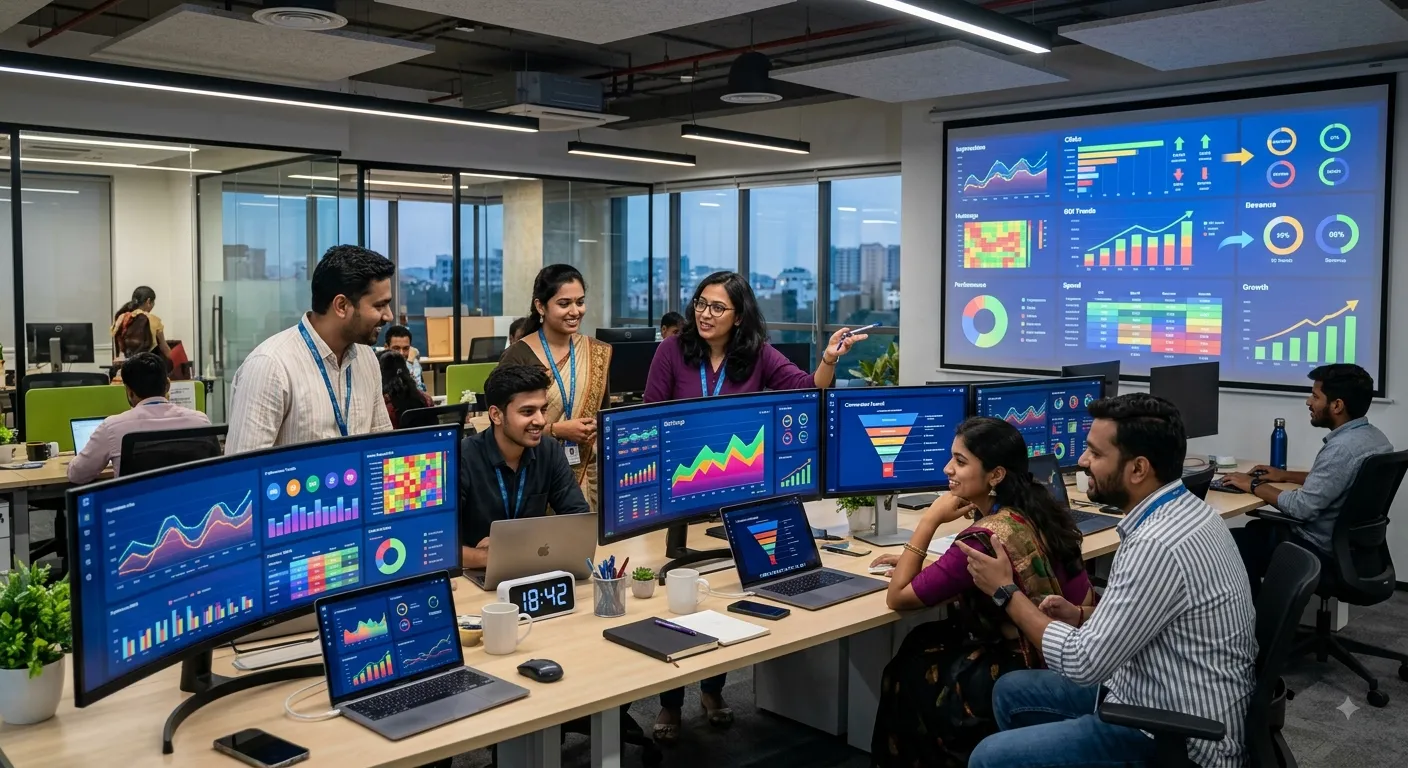
Centralized Dashboard and Analytics Managers get a single view of asset utilization, depreciation trends, and maintenance costs, helping them make informed decisions about repairs versus replacements.
Why Indian Businesses Need Localized Solutions
India's regulatory environment, tax structures, and business scale present unique requirements that generic international tools often fail to address. This is where purpose-built Assets Management Software in India makes a real difference. A solution designed with Indian businesses in mind typically supports:
- Compliance with Indian accounting standards and the Companies Act depreciation norms
- GST-related asset documentation and reporting
- Multi-location tracking suited to businesses with branches spread across cities and states
- Local language and currency support for ease of adoption across teams
- Pricing models that fit the budgets of small and mid-sized Indian enterprises, not just large multinational corporations
Choosing a platform built with local context in mind reduces implementation friction and ensures the software actually fits how Indian businesses operate — rather than forcing teams to work around limitations of a foreign-built system.
Industries That Benefit the Most
While almost every business owns assets worth tracking, certain industries see outsized returns from implementing dedicated asset management systems:
- Manufacturing — tracking heavy machinery, tools, and equipment across production floors
- IT and ITES companies — managing laptops, servers, and software licenses issued to a distributed workforce
- Healthcare — monitoring costly medical equipment and ensuring timely maintenance
- Educational institutions — keeping records of lab equipment, furniture, and infrastructure
- Real estate and facility management — tracking assets across multiple properties and sites
Regardless of industry, the underlying goal remains the same: eliminate guesswork, reduce losses, and gain complete visibility into what the organization owns.
Key Benefits of Implementing the Right Software
- Reduced Asset Loss and Theft — Regular tracking and audit trails discourage misuse and make recovery easier.
- Improved Financial Accuracy — Automated depreciation ensures books reflect true asset value.
- Better Budgeting Decisions — Historical maintenance and usage data help decide when to repair versus replace.
- Faster, Stress-Free Audits — Digital records replace time-consuming manual verification.
- Higher Asset Utilization — Visibility into idle or underused assets helps optimize resource allocation across teams.
Choosing the Right Platform
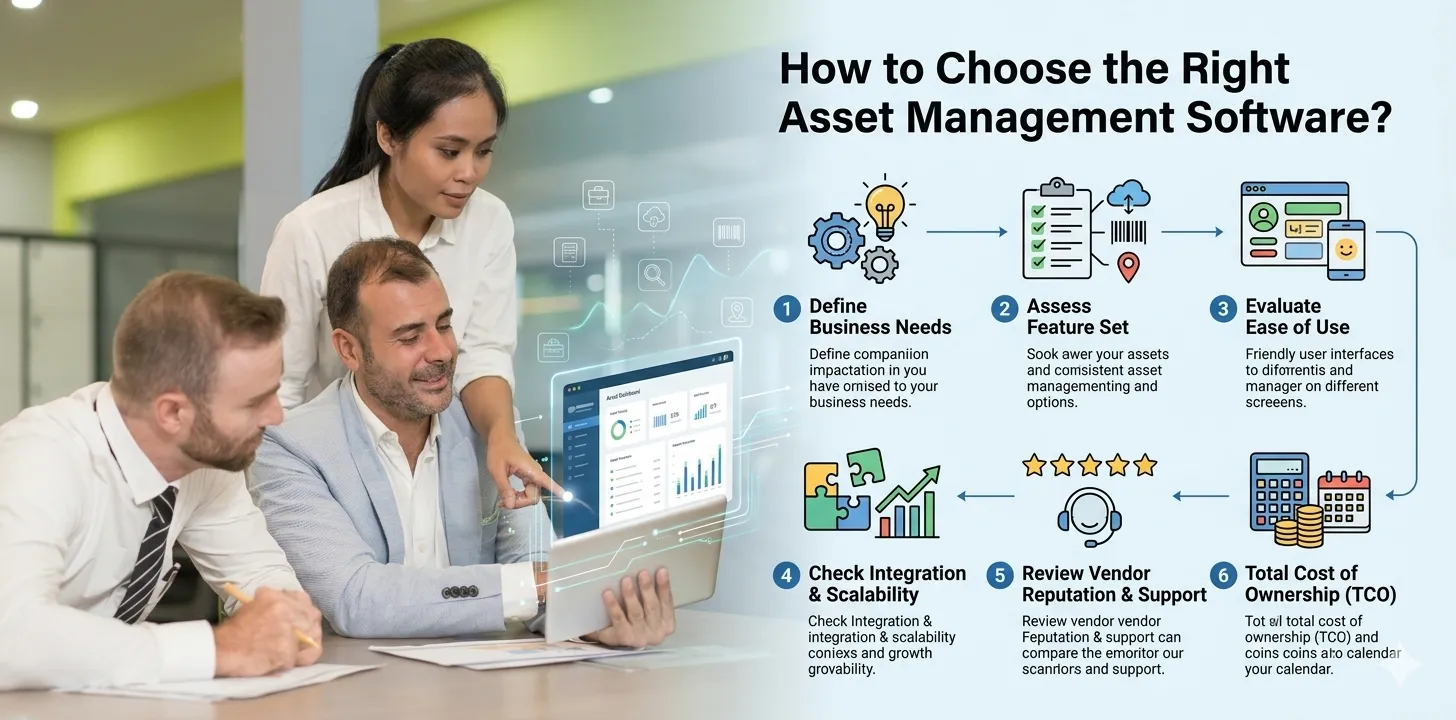
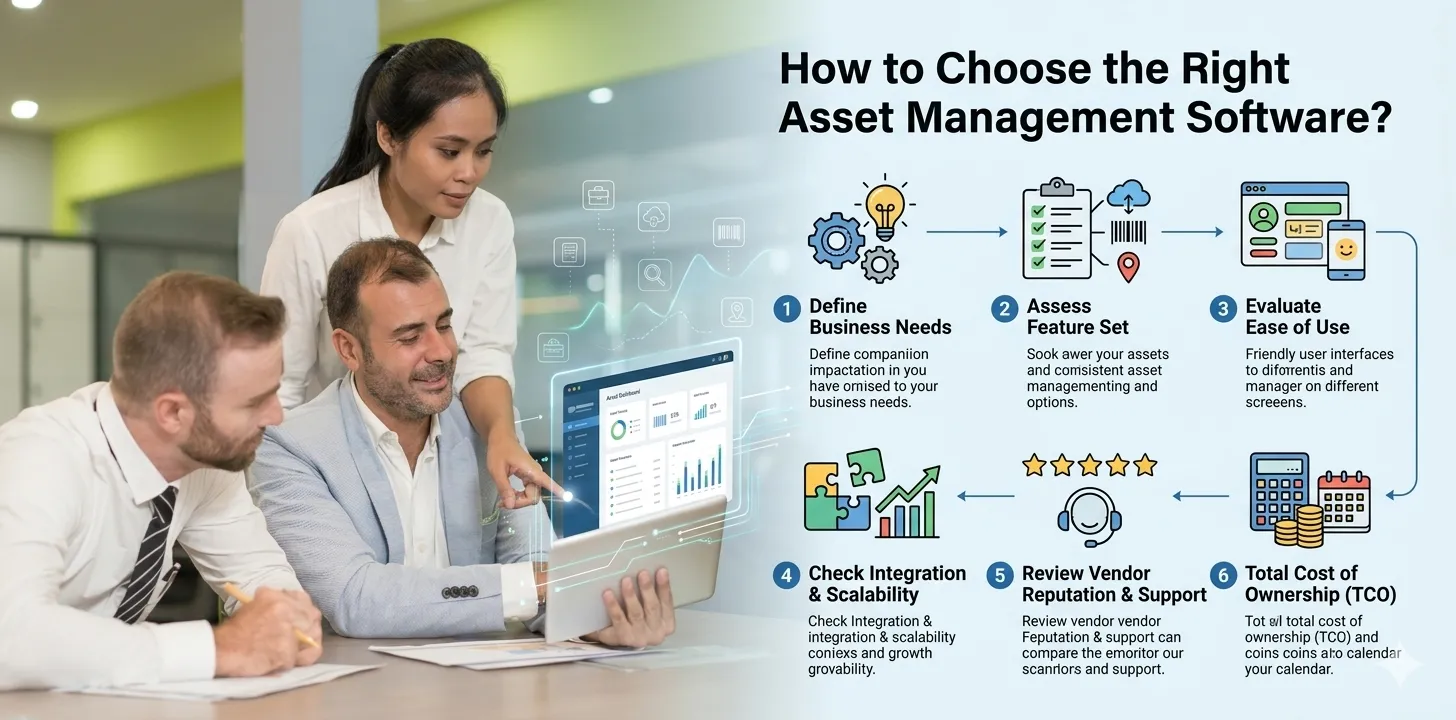
When evaluating options, businesses should look beyond basic tracking features. A strong solution should offer scalability as the organization grows, integration capabilities with existing ERP or accounting systems, mobile accessibility for on-the-go verification, and responsive local support for quick issue resolution.
Final Thoughts
As businesses across India continue to digitize their operations, manual asset registers are quickly becoming a liability rather than a convenience. Investing in reliable Fixed Assets Management Software isn't just about ticking a compliance checkbox — it's about protecting capital investments, improving operational efficiency, and enabling smarter financial planning. Organizations that adopt the right Assets Management Software today position themselves for more accurate reporting, fewer losses, and long-term operational resilience.
If your organization is still relying on spreadsheets to track valuable assets, now is the time to explore a dedicated platform built for accuracy, compliance, and scale.

























Sign in to leave a comment.