A broken tooth can happen when you least expect it. Maybe you bit down on something hard. Maybe it was a sports injury. Or maybe a weakened tooth finally gave way. Whatever the cause, the result is the same: discomfort, stress, and the urgent question — What do I do now?
The good news is that modern dentistry makes it possible to get fast relief. A same day dentist can assess the damage, relieve pain, and often restore your tooth in just one visit.
Let’s walk through what happens when a tooth breaks — and how immediate care can protect both your smile and your health.
First: Is a Broken Tooth a Dental Emergency?
Not every chipped tooth requires urgent treatment, but many cases do. You should seek immediate care if you experience:
- Sharp or throbbing pain
- Sensitivity to hot or cold
- Bleeding from the tooth or gums
- Swelling around the area
- A visibly cracked or fractured tooth
- A piece of tooth completely broken off
Even if the pain feels manageable, internal damage may still exist. A crack can expose the inner pulp, where nerves and blood vessels live. Once bacteria enter, infection can develop quickly.
Prompt treatment helps prevent complications such as abscesses, nerve damage, or the need for extraction.
What to Do Immediately After Breaking a Tooth
Before you see a dentist, take a few simple steps:
- Rinse your mouth gently with warm water.
- Save any broken pieces if possible.
- Apply a cold compress to reduce swelling.
- Avoid chewing on the affected side.
- Take over-the-counter pain relief if needed.
These steps won’t fix the problem — but they can help minimize discomfort until you receive professional care.
How a Same Day Dentist Evaluates the Damage
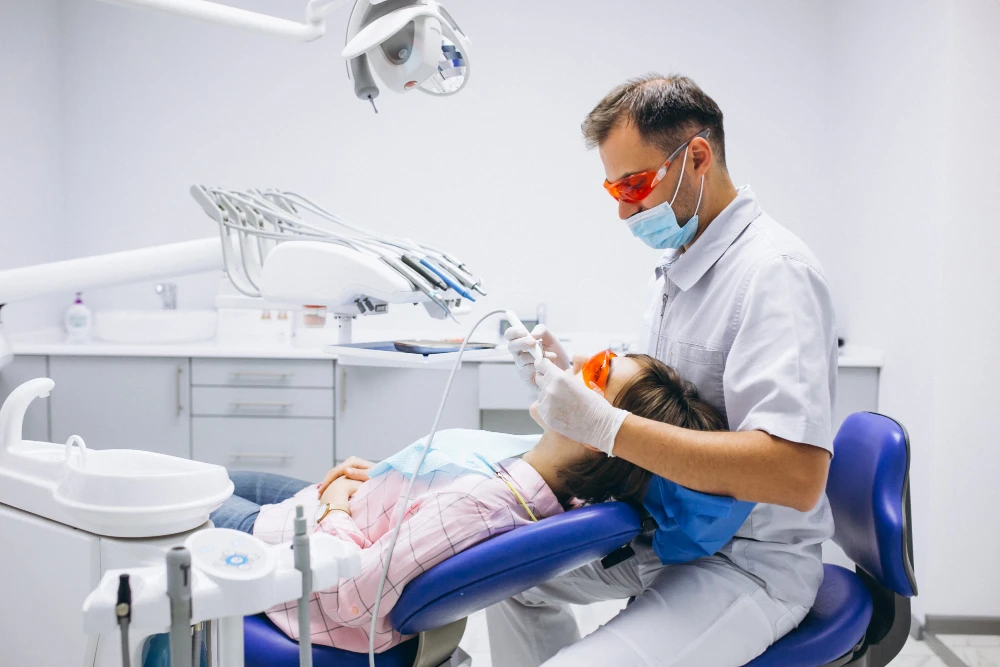
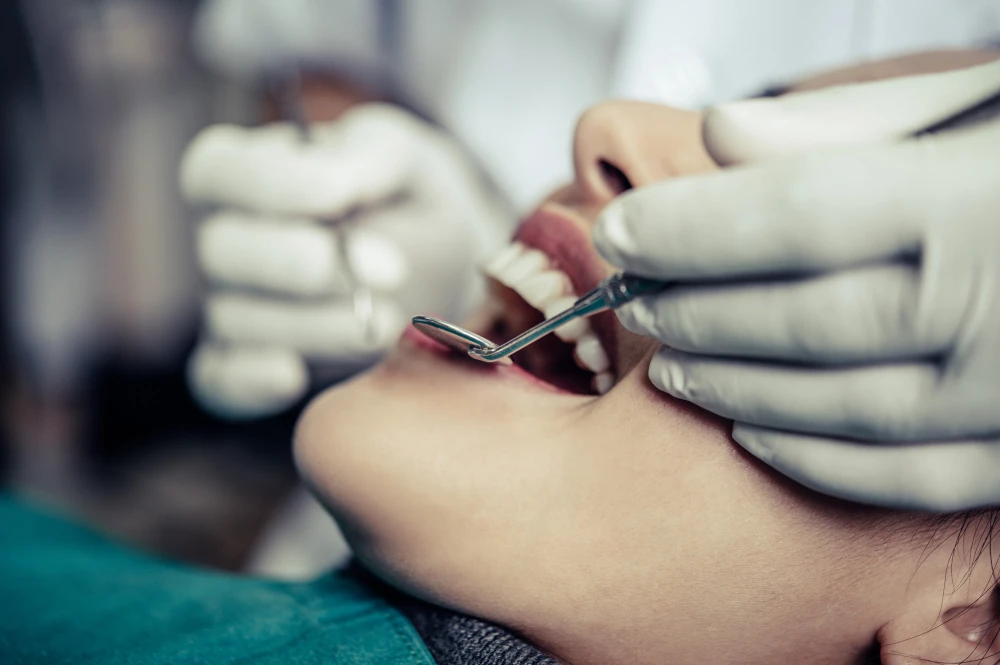
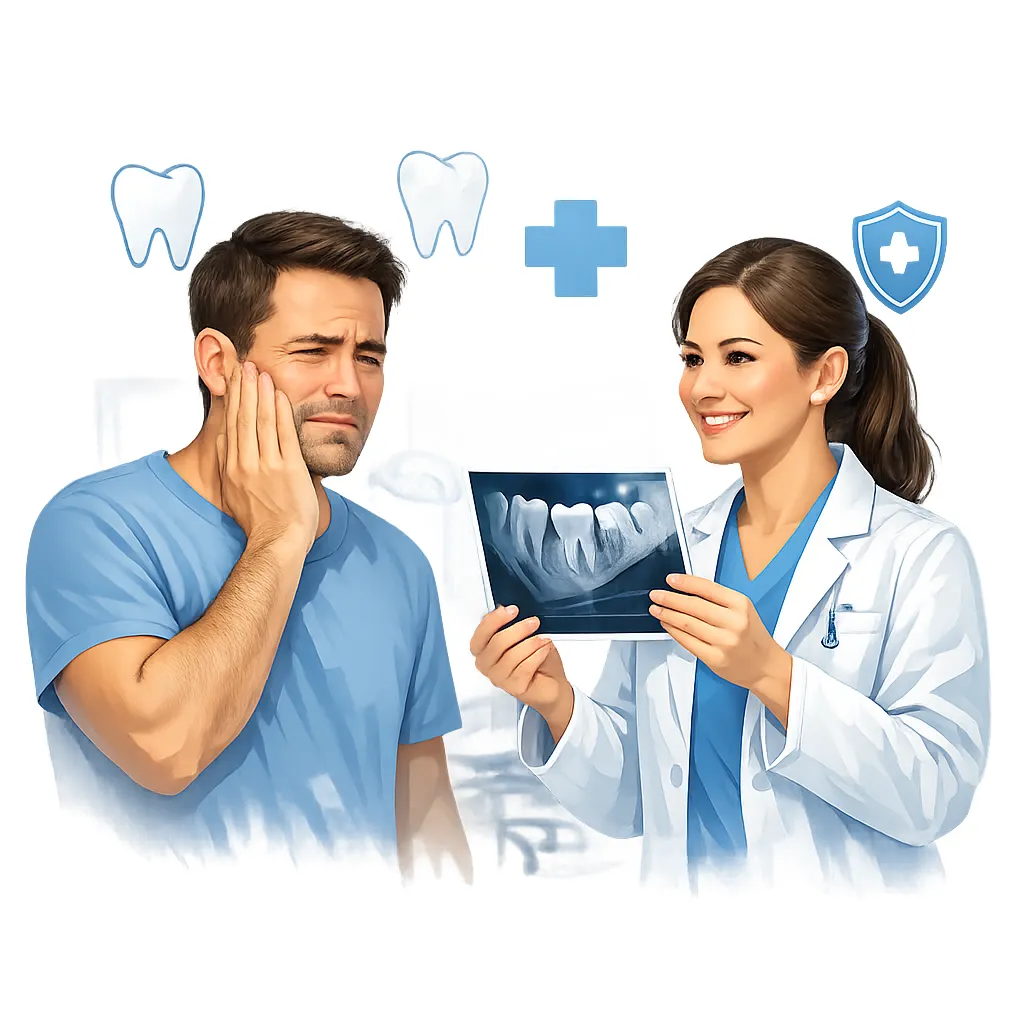
When you arrive for care, the dentist will perform a thorough exam. This typically includes:
- A visual inspection
- Digital X-rays
- Testing for nerve involvement
- Assessing structural stability
Not all breaks are the same. A minor chip on the enamel requires different treatment than a deep vertical crack extending toward the root.
The goal is to determine:
- Whether the tooth can be restored
- Whether the nerve is affected
- How to prevent further damage
Many offices reserve emergency slots specifically for situations like this, making a same day dental appointment possible when timing matters most.
Treatment Options for a Broken Tooth
The right solution depends on the severity of the break.
1. Dental Bonding (For Minor Chips)
If the damage is small and cosmetic, tooth-colored composite resin can reshape and repair the area. Bonding is quick, painless, and often completed in under an hour.
2. Dental Crown (For Larger Breaks)
When more structure is compromised, a crown may be recommended. A crown covers the entire visible portion of the tooth, restoring strength and function.
With modern technology, some dental offices can design and place crowns in a single visit — eliminating the need for temporary restorations.
3. Root Canal Therapy (If the Nerve Is Exposed)
If the pulp becomes infected or inflamed, a root canal removes the damaged tissue, disinfects the area, and seals the tooth. A crown is usually placed afterward to protect it.
Contrary to common myths, root canals relieve pain — they don’t cause it.
4. Extraction (When the Tooth Cannot Be Saved)
In severe cases, the tooth may not be restorable. If extraction is necessary, your dentist will discuss replacement options such as implants or bridges to maintain alignment and chewing function.
Why Speed Matters
Delaying treatment increases risk.
A small crack can widen.
Bacteria can spread.
Pain can intensify.
Infections that start in a tooth don’t stay isolated. They can affect surrounding bone and tissue. Early care not only saves time and money — it often saves the tooth itself.
That’s why access to a same day dental appointment can make such a significant difference in outcomes.
Can a Broken Tooth Heal on Its Own?
Unfortunately, no.
Unlike minor cuts or bruises, tooth enamel cannot regenerate. Once damaged, it requires professional repair. Ignoring a broken tooth may temporarily reduce symptoms, but the underlying structural issue remains.
Dental materials are designed to restore durability and prevent further breakdown — something natural healing cannot accomplish.
Is Treatment Painful?
Most broken tooth treatments are performed with local anesthesia, ensuring you remain comfortable throughout the procedure.
In fact, many patients feel immediate relief once pressure or exposed nerves are addressed. If anxiety is a concern, ask your dentist about sedation options to help you relax.
Modern dental care prioritizes patient comfort alongside effectiveness.
Preventing Future Breaks
While accidents can’t always be avoided, you can reduce your risk by:
- Wearing a mouthguard during sports
- Avoiding chewing ice or hard candies
- Not using teeth as tools
- Addressing cavities early
- Treating teeth grinding (bruxism)
Routine checkups also help identify weakened areas before they become major fractures.
Final Thoughts
A broken tooth can feel overwhelming — but it doesn’t have to become a long-term problem. Acting quickly gives your dentist the best chance to restore your tooth efficiently and comfortably.
Whether the solution is bonding, a crown, or another restorative treatment, timely care protects your oral health and prevents complications.
If you’ve cracked, chipped, or broken a tooth, don’t wait. Seeking prompt dental attention can turn a stressful moment into a manageable one — and get your smile back on track the very same day.

























Sign in to leave a comment.