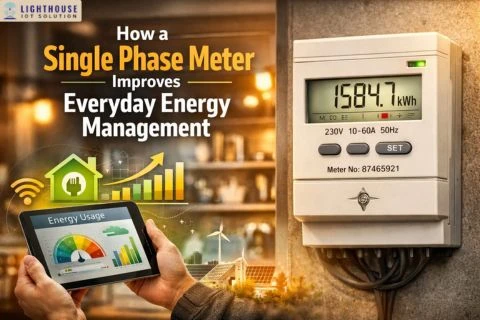
Electricity consumption rarely becomes a concern until patterns shift or bills increase without warning. In homes, small offices, retail spaces, energy usage tends to remain invisible during daily routines. A Single Phase Meter changes that dynamic by offering a reliable way to track how electricity flows through a property, helping users gain better control over usage.
From Manual Readings to Real-Time Visibility
In earlier systems, meter readings depended on physical inspection. Delays often led to estimated billing or inconsistencies. A digital energy meter resolves this issue by displaying consumption data instantly, allowing users to access information without waiting for monthly cycles.
Real-time visibility creates awareness. A household may notice higher electricity use during certain hours, while a small business might identify load increases linked to equipment usage. These observations become valuable because they allow adjustments before costs escalate.
Budget Control Through a Keypad Meter
A keypad meter introduces a prepaid model that shifts control toward the user. Instead of receiving a bill after consumption, individuals purchase electricity credit in advance. The credit is entered using a code, allowing power usage until the balance is exhausted.
This approach encourages disciplined consumption. Users become more aware of how much electricity they use because each unit directly affects the remaining balance. It proves especially useful in rental properties, shared accommodations, and temporary setups.
Landlords often prefer this system because it eliminates disputes over billing. Tenants pay for their own usage, reducing dependency on estimated charges.
Simplifying Access with a Bluetooth meter
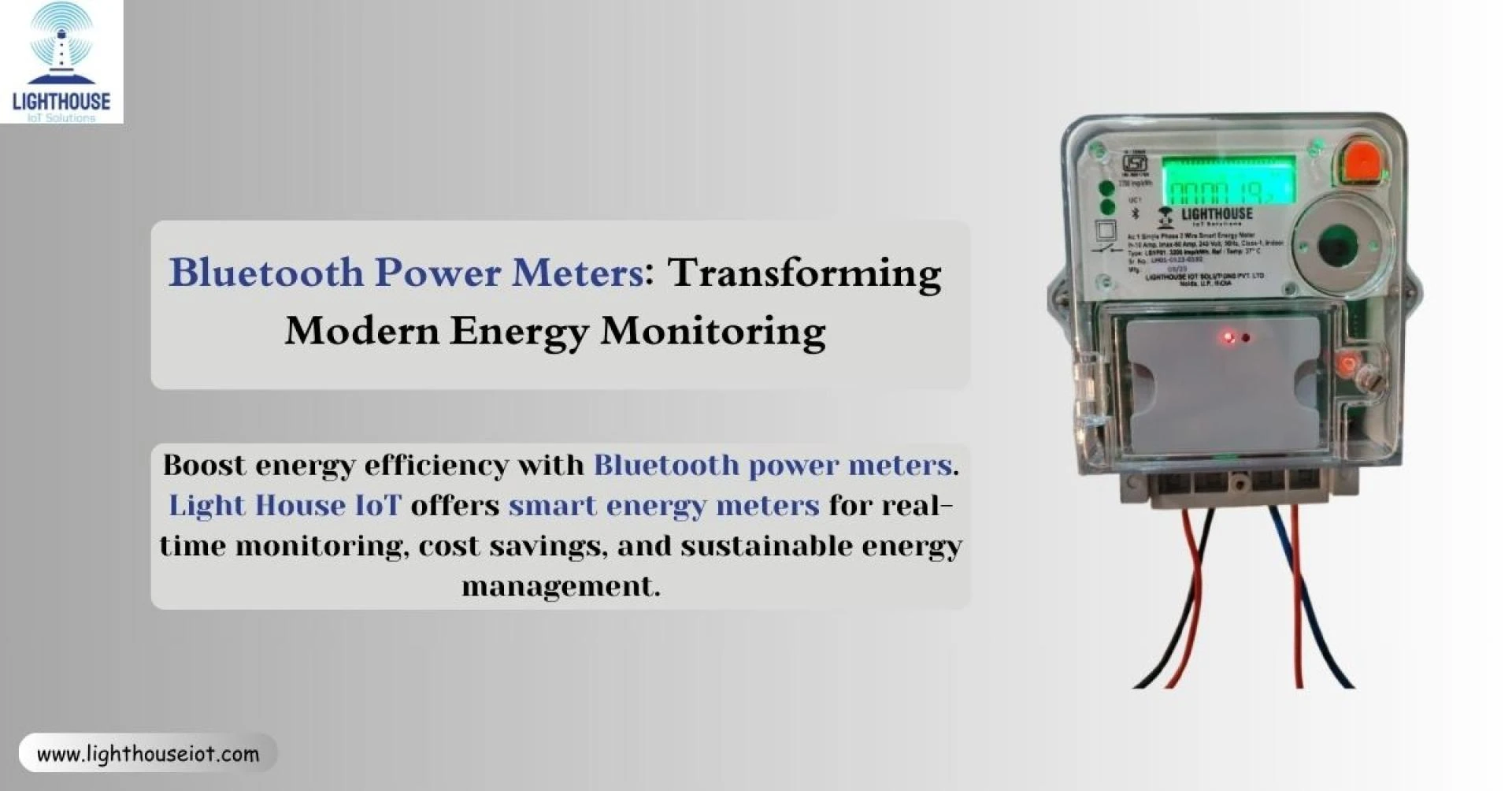
A Bluetooth meter integrates mobile connectivity into energy monitoring. Instead of checking readings on the device itself, users can access data through a smartphone. This removes the need for frequent physical inspection, particularly in locations where meters are installed in restricted areas.
By using this, individuals can review consumption trends, monitor daily usage, and detect unusual patterns. This level of access supports faster decision-making. If energy use rises unexpectedly, users can investigate immediately rather than waiting for a billing cycle.
The convenience offered by this meter aligns with modern expectations. Many systems now depend on mobile interfaces; energy management is no exception.
Turning Data Into Practical Decisions
Accurate measurement alone does not improve efficiency; interpretation plays a critical role. A digital energy meter provides the data required to identify patterns, while users apply that information to optimize usage.
Consider a few common scenarios:
- Continuous consumption during inactive hours may indicate standby power loss
- Sharp increases in usage might suggest malfunctioning equipment
- Irregular patterns could reveal inefficient appliances
At Lighthouse IoT, energy management is approached with clarity, not complexity. A Single Phase Meter helps uncover these insights. Once identified, users can adjust habits, replace outdated devices, and reduce unnecessary consumption. The process becomes structured rather than reactive.
Supporting Sustainable Energy Use
Sustainability begins with awareness. A smart meter allows users to see how their behavior affects energy consumption in real time. When patterns become visible, waste becomes easier to reduce.
In systems that include renewable energy sources such as solar panels, a digital meter can track both consumption and generation. This helps maintain a balance between supply and demand without relying on assumptions.
Expanding Capability with a Smart Energy Meter
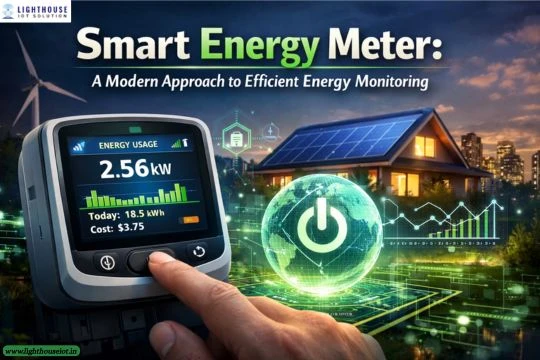
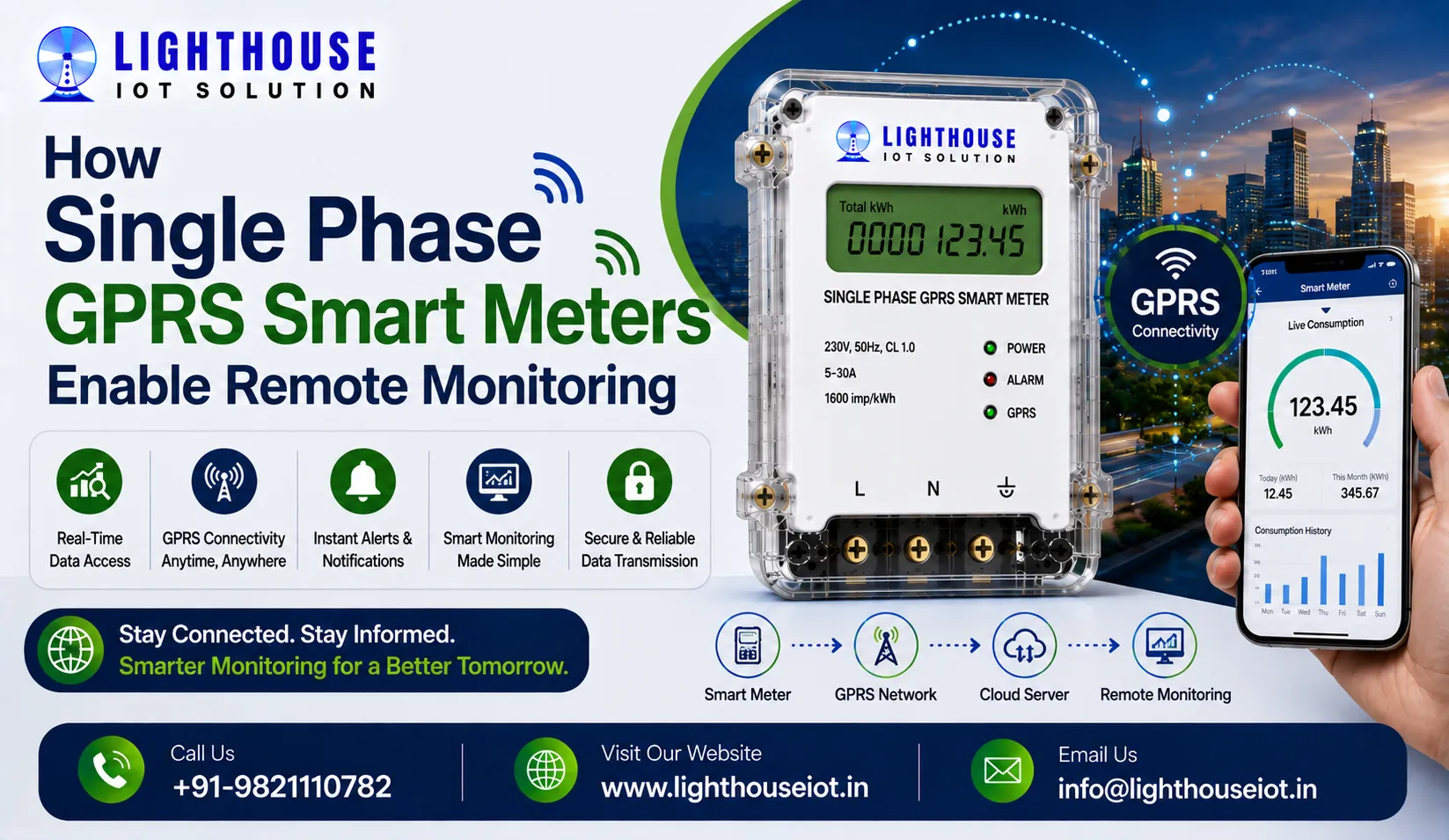
A smart energy meter introduces communication into energy tracking. It connects with external systems, enabling remote monitoring without the need for physical access. This feature supports both convenience and efficiency.
With this meter, users receive updates about their consumption in near real time. Sudden spikes become easier to detect. For instance, if an appliance begins to draw excessive power, the change appears quickly in usage data. Early identification reduces the risk of prolonged inefficiency.
Utility providers also benefit from this setup. Remote access allows better load management, improved distribution planning, and fewer manual interventions. The Meter evolves from a basic measuring device into an active component within a larger energy ecosystem.
Each system is designed to give users direct access to their consumption data without unnecessary layers. With Lighthouse IoT, control over electricity usage becomes practical, measurable, and easy to maintain.
Installation and Long-Term Performance
Proper installation plays a critical role in ensuring accuracy. A Meter must be connected according to safety standards, with secure wiring and correct placement. Professional installation reduces the risk of faulty readings or operational issues.
Maintenance requirements remain low, especially with a digital meter. Fewer mechanical components result in reduced wear over time. Periodic inspection ensures continued reliability without extensive upkeep.
Consistency is essential. Once installed correctly, the meter provides dependable data that supports long-term energy management strategies. With Lighthouse IoT, tools like the smart energy meter support remote monitoring, allowing users to track consumption without being tied to a physical location.
Selecting the Right Configuration
Choosing the right system depends on specific requirements. A Meter serves as a foundation, while additional features enhance functionality based on user needs.
- A keypad meter suits environments where prepaid control is preferred
- A Bluetooth meter supports users who want mobile-based monitoring
- A smart energy meter provides advanced connectivity, remote access
- A digital energy meter ensures precise measurement with minimal complexity
Each option addresses a different aspect of energy management. The decision should align with how the space consumes electricity rather than following a one-size approach.
Smarter Energy Control Starts with the Right Meter
Energy management has shifted from passive observation to informed control. A Single Phase Meter forms the core of this transition by delivering accurate measurement and clear visibility into usage patterns.
Lighthouse IoT keeps energy management simple, transparent, and built around real user needs. Better data leads to better decisions. When users understand how energy is consumed, they can reduce waste, control costs, and improve efficiency without unnecessary complexity.
- For More Info:
- https://lighthouseiot.in/details/single-phase-meter





















Sign in to leave a comment.