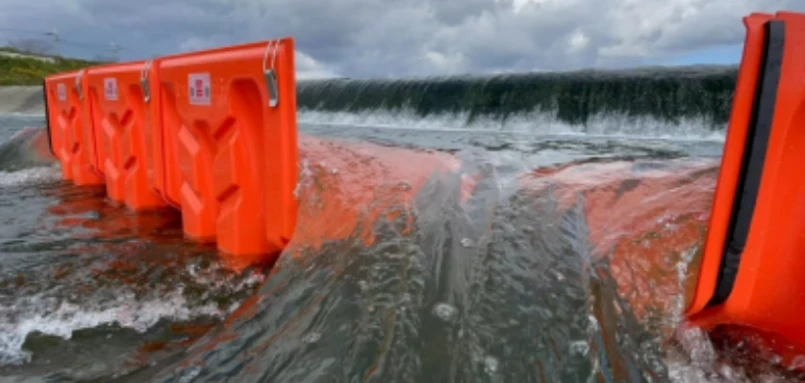

Flooding remains one of the most destructive and unpredictable natural disasters, causing billions of dollars in property damage each year. As climate change intensifies, storm frequency and intensity are on the rise, making flood preparedness no longer a luxury — but a necessity. Whether you’re a homeowner, a facility manager, or a local government authority, protecting assets from water intrusion is of paramount importance. This is where a Temporary Flood Barrier plays a critical role.
A Temporary Flood Barrier is specifically engineered to provide rapid, flexible, and reliable flood protection without the need for permanent structural changes. At Newflag Technology Co., Ltd., we specialize in cutting-edge flood control solutions designed to minimize devastation and maximize peace of mind. But how exactly can a product like this protect your property during a major storm?
What Is a Temporary Flood Barrier?
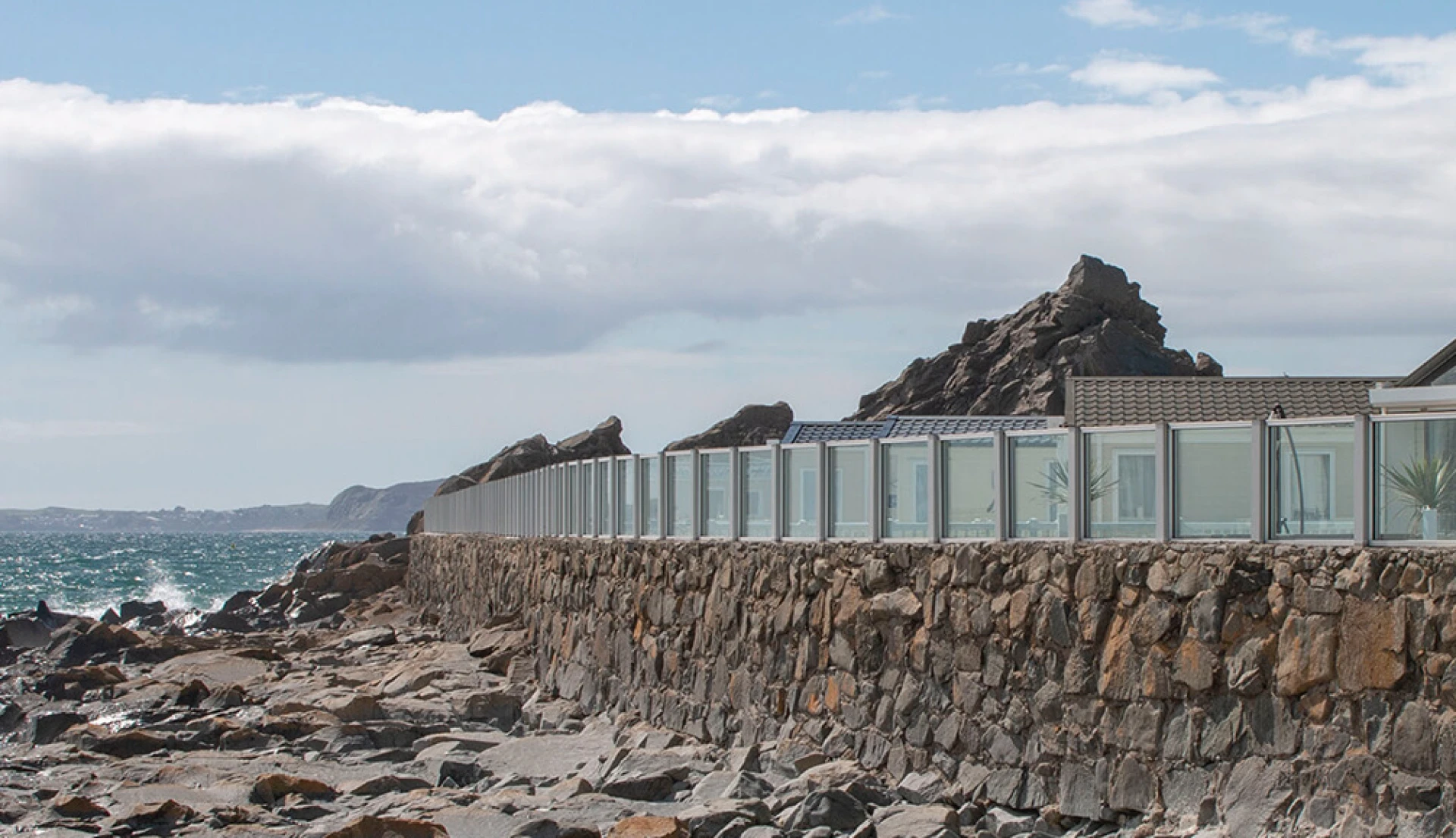
A Temporary Flood Barrier is a movable system designed to prevent floodwater from entering buildings, roads, or other vulnerable areas. Unlike permanent barriers, these are deployable only when needed, making them ideal for both planned and emergency situations.
They are often made from high-strength materials such as PVC, aluminum panels, or polymer fabric, and may use water or air pressure, structural weight, or mechanical anchoring systems to remain stable during use. These barriers can be installed quickly—sometimes in as little as 30 minutes—and do not require a construction team, which makes them ideal for rapid-response scenarios.
Some of the most popular types of barriers include:
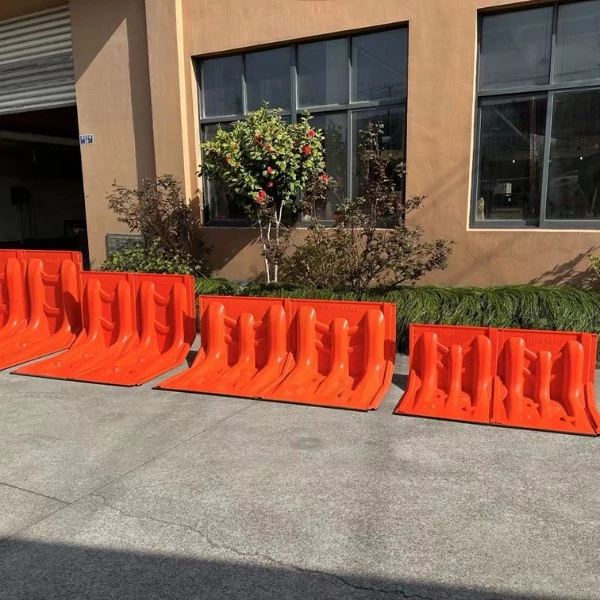
- Water-filled tubes
- Modular aluminum panel systems
- Inflatable flood barriers
- Sandless flood bags
How Temporary Flood Barriers Work
In essence, Temporary Flood Barriers function by creating a physical obstruction that blocks or redirects the flow of water away from valuable assets and buildings. The working mechanism varies depending on the type:
- Water-filled barriers fill with water to create a solid weight and seal tight against any surface.
- Modular panel systems are anchored in-ground or to a base plate and assembled in sections for scalability.
- Inflatable systems quickly deploy with air or water and conform to uneven surfaces for a watertight seal.
- Sandless bags absorb and expand upon contact with water to form an impromptu wall.
Because of these versatile designs, Temporary Flood Barriers can be installed across doorways, garage entries, streets, embankments, and loading docks.
Key components include:
- Watertight seals
- Interlocking systems
- Reinforced frames
- Anchoring accessories
By implementing these barriers ahead of a forecasted storm, property owners significantly reduce the risk of water ingress and costly post-disaster cleanup.
Key Benefits of Using Temporary Flood Barriers
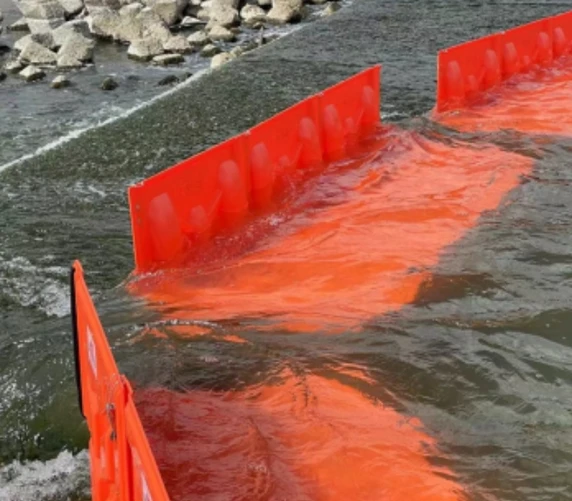
Temporary Flood Barriers offer unique advantages when compared to permanent flood defenses:
✅ Rapid Deployment
You don’t need heavy machinery or days of installation. Most barriers can be deployed within minutes to hours by a small team—or even a single person.
✅ Cost-Effective
When flooding is not frequent enough to justify a permanent wall, temporary solutions offer robust protection without breaking the budget.
✅ Reusable
Many modern Temporary Flood Barrier systems can be used multiple times, reducing long-term costs and ensuring return on investment.
✅ Scalable
Whether you’re protecting a single entrance or an entire perimeter, barrier systems can be extended or contracted as needed.
✅ Environmentally Friendly
Unlike sandbags that degrade into waste after use, most flood barriers are eco-friendly and generate minimal waste.
Common Applications and Use Cases
Temporary Flood Barriers are no longer limited to emergency response teams. Thanks to improved engineering and accessibility, they’re used across a wide range of environments:
- Residential properties 🏡 – Entryways, garages, and garden areas
- Commercial buildings 🏢 – Warehouses, retail centers, office complexes
- Industrial sites 🏭 – Plants, fuel depots, utility areas
- Public infrastructure 🏞️ – Train stations, subway entrances, highways
- Event venues 🎪 – Outdoor concerts, parks, festival areas
With modular systems, these barriers are suitable for both small-scale and large-scale deployments.
How to Choose the Right Temporary Flood Barrier
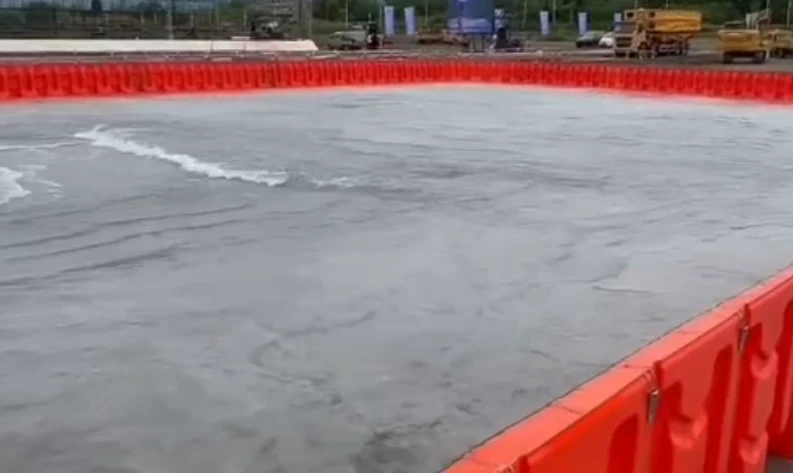
Choosing the correct Temporary Flood Barrier depends on several factors:
- Flood Risk Level: High-risk zones may need higher barriers with stronger anchoring.
- Area of Protection Needed: Doorway, driveway, or whole property? This determines size and type.
- Budget: Some barrier systems come with a higher upfront cost but long-term savings.
- Storage Space: Inflatable and folding systems take up minimal space when not in use.
- Deployment Capacity: Pick a system you or your staff can manage easily.
At Newflag Technology Co., Ltd., our experts provide consultation to help you select the right system based on your unique requirements.
Deployment Tips and Best Practices
Proper deployment is crucial for success. Here are a few tips:
- Keep equipment accessible year-round – Store in dry, easy-to-reach spaces.
- Practice installation before emergency strikes – Simulations help avoid panic.
- Ensure proper ground contact – A tight seal with no gaps is critical.
- Inspect for damage or wear after each use – Always check before redeployment.
- Anchor according to manufacturer guidelines – Especially in high-flow areas.
When used correctly, a Temporary Flood Barrier can stop thousands of liters of water from causing destruction.
Real-World Case Study: Commercial Property Protection
- Client: Logistics company in Southeast Asia
- Challenge: Facility located in a flood-prone industrial park
- Solution: Installed 150 meters of modular panel Temporary Flood Barrier along cargo bays and loading docks.
Results:
- Deployed in under 2 hours when storm warnings issued
- Prevented over $500,000 in potential damage
- Reused two more times during that year with no system degradation
Feedback from the client highlighted the system's reliability, ease of use, and cost-effectiveness. This is just one of many success stories supported by Newflag Technology Co., Ltd. solutions.
Why Choose Newflag Technology Co., Ltd.
At Newflag Technology Co., Ltd., we are not just manufacturers—we’re innovators in flood control technology. Our product range of Temporary Flood Barriers is globally tested, certified, and engineered for peak performance under pressure.
When you work with us, you get:
- Certified quality manufacturing (ISO, CE)
- Custom solutions tailored to your needs
- Global shipping and support
- Proven results in 30+ countries
- Dedicated customer service and after-sales training
We understand flooding. More importantly, we understand how to stop it.
Flooding isn’t a question of if, but when—especially in today’s climate-impacted world. Whether you’re looking to protect a home, business, or critical infrastructure, a Temporary Flood Barrier from Newflag Technology Co., Ltd. can be your first and most effective line of defense.
From rapid deployment and scalability to long-term savings and eco-friendliness, the benefits are clear. When a storm threatens, being prepared is what makes all the difference. Don’t wait until the waters rise—invest in smart, reliable flood protection today.
Frequently Asked Questions (FAQ)
Q1: How quickly can a Temporary Flood Barrier be installed?
A: Most systems by Newflag can be installed in as little as 15 to 60 minutes, depending on the size and type.
Q2: Are these barriers reusable?
A: Yes, our Temporary Flood Barriers are designed for multiple uses, which significantly reduces long-term protection costs.
Q3: Can water seep under the barrier?
A: When installed correctly, our barriers provide a watertight seal. Proper training and surface preparation ensure maximum effectiveness.
Q4: What sizes are available?
A: We offer a wide range, from small door barriers to full-scale 1-meter to 3-meter high systems with customizable lengths.
Q5: Do you provide international shipping and installation training?
A: Absolutely. We serve clients worldwide and offer remote and on-site training options for proper deployment.










Sign in to leave a comment.