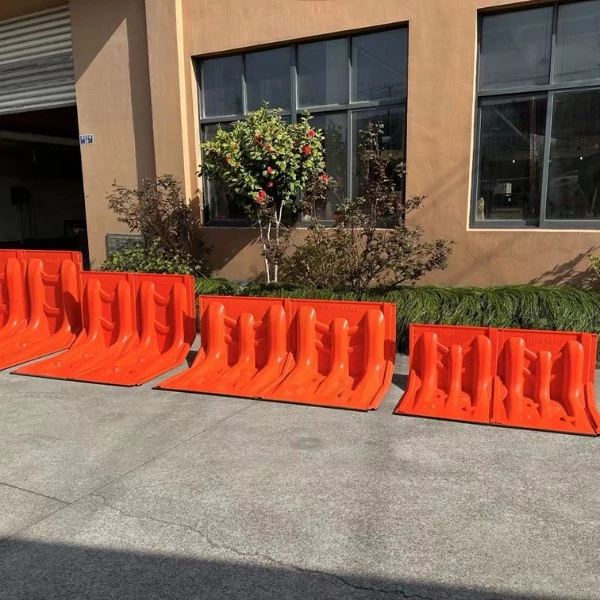

Flooding is a growing global concern, with increasing frequency and severity due to climate change, urbanization, and extreme weather events. Protecting properties and infrastructure from flood damage requires innovative, reliable, and adaptable solutions. Among the many flood defense systems available, the L Shaped Flood Barrier stands out as a highly effective and versatile option. Its unique design combines structural strength with practical functionality, making it suitable for a wide range of applications.

At Newflag Technology Co., Ltd., we are proud to offer cutting-edge L Shaped Flood Barriers that deliver superior protection while being easy to install and maintain.
Understanding the L Shaped Flood Barrier Design
What Is an L Shaped Flood Barrier?
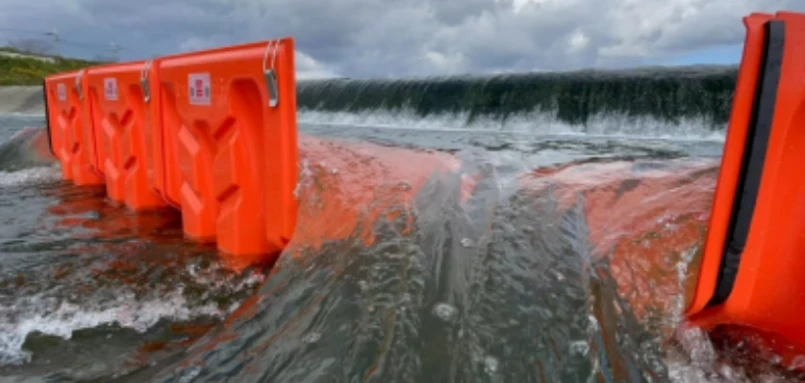
An L Shaped Flood Barrier is a flood defense structure characterized by its distinctive L-shaped cross-section. The vertical leg of the “L” acts as the main floodwater barrier, while the horizontal leg extends beneath the ground or surface to anchor the barrier securely. This configuration provides enhanced stability and resistance to water pressure compared to traditional flat or straight barriers.
Design Principles Behind the L Shape
The L-shaped design is not arbitrary; it is based on sound engineering principles aimed at maximizing flood defense effectiveness:
Anchoring and Stability: The horizontal base of the L shape distributes the load exerted by floodwaters over a larger area, preventing the barrier from tipping or sliding. This is especially important in soft or unstable soils.
Water Pressure Distribution: The vertical panel resists the direct force of floodwaters, while the horizontal base counters uplift and overturning forces.
Modularity and Adaptability: The barrier can be manufactured in modular sections, allowing customization in length, height, and configuration to suit different site conditions.
Integration with Existing Structures: The L shape facilitates seamless integration with walls, embankments, or other flood defense systems, enhancing overall protection.
Materials Used
Newflag Technology Co., Ltd. constructs L Shaped Flood Barriers using high-strength, corrosion-resistant materials such as:
Aluminum Alloys: Lightweight yet strong, aluminum offers excellent corrosion resistance and ease of handling.
Galvanized Steel: Provides robust structural support and durability.
Composite Materials: In some designs, composites are used to reduce weight and improve longevity.
Installation Process of L Shaped Flood Barriers
Proper installation is critical to the performance of any flood barrier. The L Shaped Flood Barrier design simplifies installation while ensuring maximum effectiveness.
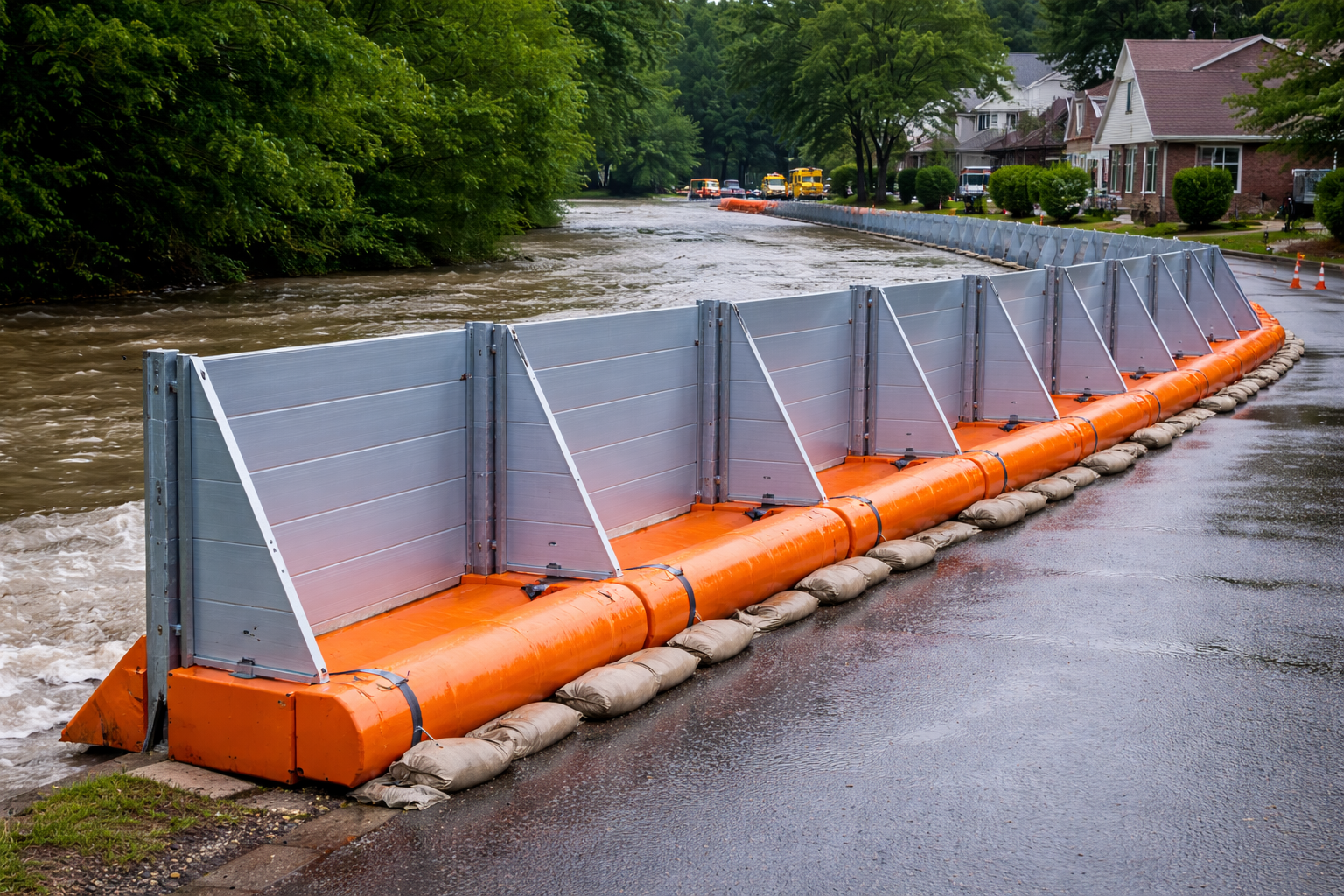
Step 1: Site Assessment and Preparation
Before installation, a thorough site assessment is conducted to evaluate:
- Flood risk levels and water flow patterns.
- Soil type and ground stability.
- Existing structures and potential integration points.
- Required barrier dimensions and configuration.
Site preparation may involve clearing debris, leveling the ground, and marking installation points.
Step 2: Foundation and Anchoring
The horizontal base of the L shape requires a stable foundation. Depending on soil conditions, this may involve:
- Excavating a shallow trench to embed the horizontal leg.
- Installing concrete footings or anchor bolts for additional stability.
- Ensuring proper drainage around the barrier to prevent water accumulation.
Step 3: Assembly of Modular Sections
The barrier is typically delivered in modular panels that are assembled on-site. Installation teams:
- Connect vertical panels to horizontal bases using secure fasteners.
- Seal joints with water-tight gaskets or sealants to prevent leakage.
- Align sections precisely to maintain structural integrity.
Step 4: Integration with Existing Structures
Where applicable, the barrier is integrated with walls, doors, or embankments using custom connectors or transition panels. This ensures a continuous flood defense line without weak points.
Step 5: Final Inspection and Testing
Once installed, the barrier undergoes inspection to verify:
- Proper alignment and secure fastening.
- Effective sealing of joints.
- Stability under simulated water pressure (if feasible).
Training is provided to property owners or maintenance teams on barrier operation and emergency procedures.
Case Studies: L Shaped Flood Barrier in Action
Case Study 1: Residential Flood Protection in the UK
A residential community in a flood-prone area of the UK installed Newflag’s L Shaped Flood Barriers to protect homes along a riverbank. The barriers were customized to fit doorways and garden perimeters, providing a discreet yet effective flood defense. During a severe storm in 2024, the barriers successfully held back rising waters, preventing property damage and ensuring residents’ safety.
Case Study 2: Commercial Site Defense in Germany
A manufacturing facility in Germany faced frequent flooding due to the nearby river overflow. Newflag Technology Co., Ltd. designed and installed a series of L Shaped Flood Barriers around critical access points and loading docks. The barriers’ robust anchoring and modular design allowed quick installation without disrupting operations. The system has since prevented multiple flood incidents, saving the company significant repair costs.
Case Study 3: Municipal Flood Control in Australia
A local government in Australia adopted L Shaped Flood Barriers as part of a broader flood mitigation strategy for a vulnerable urban district. The barriers were integrated with existing levees and drainage systems, providing an additional layer of protection. Automated monitoring and rapid deployment protocols ensured timely barrier activation during flood warnings, reducing community risk.
Maintenance Tips for L Shaped Flood Barriers
To ensure long-term effectiveness, regular maintenance of L Shaped Flood Barrier is essential. Here are key maintenance practices:

1. Routine Inspections
- Check for signs of corrosion, especially on metal components.
- Inspect seals and gaskets for wear or damage.
- Verify that fasteners and connectors remain tight and secure.
- Look for any structural deformation or displacement.
2. Cleaning
- Remove debris, dirt, and vegetation around the barrier base.
- Clean surfaces to prevent buildup that could compromise seals or materials.
3. Lubrication
- Apply appropriate lubricants to moving parts (if any) to ensure smooth operation.
4. Seal Replacement
- Replace worn or damaged seals promptly to maintain water-tight integrity.
5. Post-Flood Inspection
- After flood events, conduct thorough inspections to identify any damage or weaknesses.
- Repair or replace damaged sections before the next flood season.
6. Training and Documentation
- Maintain clear records of maintenance activities.
- Train personnel on inspection and repair procedures.
Newflag Technology Co., Ltd. offers maintenance contracts and support services to help clients keep their L Shaped Flood Barriers in optimal condition.
The L Shaped Flood Barrier represents a significant advancement in flood defense technology. Its innovative design provides superior stability, effective water pressure management, and versatile application options. Whether protecting residential homes, commercial facilities, or municipal infrastructure, the L shaped barrier offers reliable, long-lasting flood protection.
At Newflag Technology Co., Ltd., we are committed to delivering high-quality, customizable flood defense solutions backed by expert support and service. By choosing our L Shaped Flood Barrier, you invest in a proven system designed to safeguard your property against the increasing threat of flooding.
Frequently Asked Questions (FAQ)
Q1: How does the L Shaped Flood Barrier improve stability compared to flat barriers?
A1: The horizontal base of the L shape anchors the barrier, distributing water pressure and preventing tipping or sliding, which enhances overall stability.
Q2: Can the L Shaped Flood Barrier be used in temporary flood defense?
A2: Yes, its modular design allows for both permanent and temporary installations, providing flexibility based on flood risk and site needs.
Q3: What maintenance is required for the L Shaped Flood Barrier?
A3: Regular inspections, cleaning, seal replacement, and post-flood checks are essential to maintain barrier integrity and performance.
Q4: Is the barrier customizable for different property types?
A4: Absolutely. The barrier can be tailored in size, height, and configuration to suit residential, commercial, or industrial properties.
Q5: How long does installation typically take?
A5: Installation time varies by project size but is generally efficient due to the modular design, often completed within days.





























Sign in to leave a comment.