
From Raw Clay to Your Shelf: How a Hug Vase Is Born
Some products are manufactured; a few are born. The hug donut vase belongs firmly to the second group. Every ring starts as raw clay spinning on an artisan's wheel in India. Days later, it leaves the kiln as a warm ceramic piece with a soul of its own. In fact, no two rings ever leave the studio identical.
Handicraft Studio protects this slow way of working on purpose. No factory line ever touches a donut vase during its making. Instead, human hands lead every stage, from wet clay to finished glaze. Even the packing happens by hand at the end. That is why every ring holds small signatures no machine could ever fake.
Knowing the process also changes how you shop. A hug vase for flowers made this way outlasts trends and cheap copies alike. Among home decor hug vases, slow-made stoneware ages into a keepsake rather than clutter. Read on, and the tiny quirks in your ceramic vase will start to feel like autographs.
The Journey Behind Every Hug Donut Vase
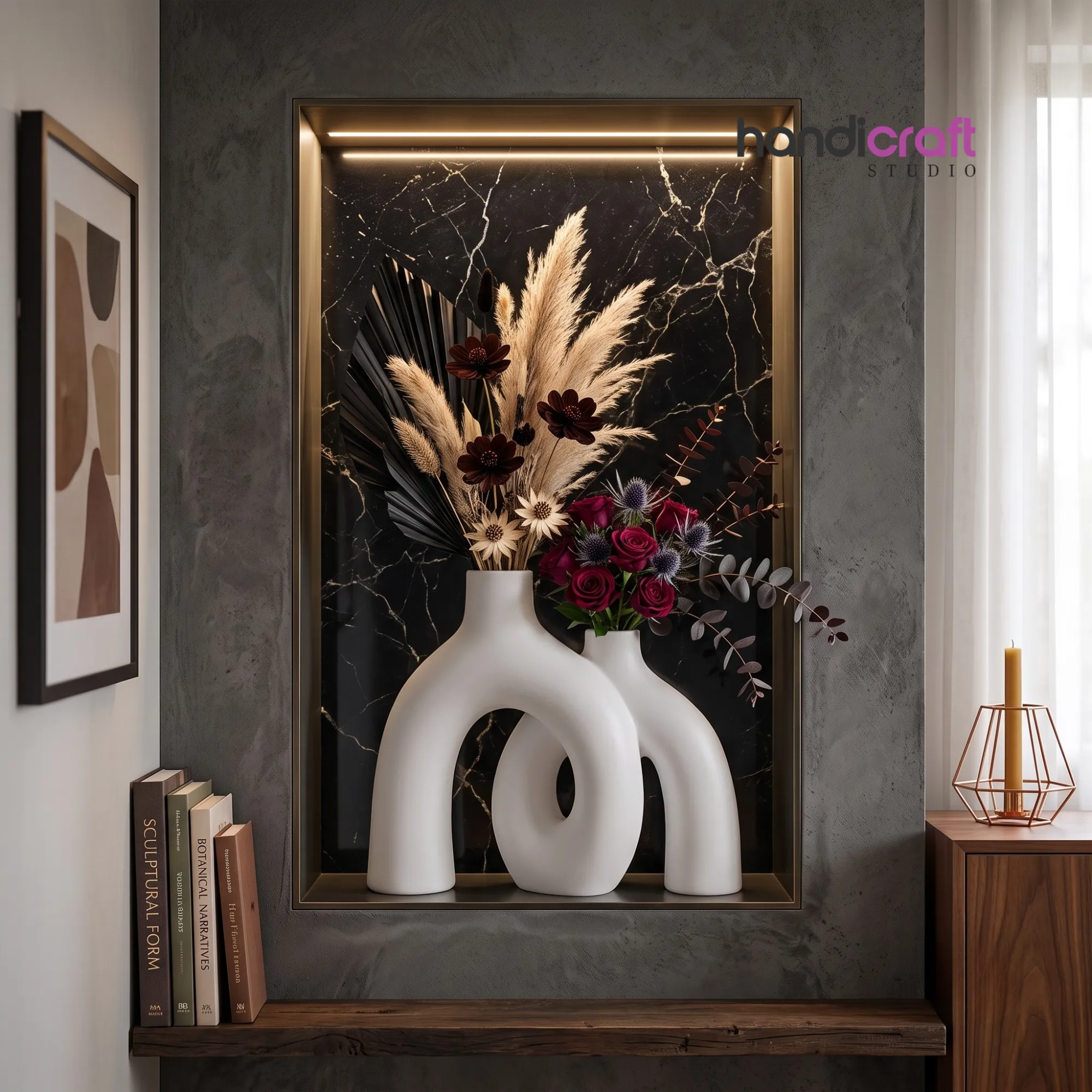
Before the journey begins, meet the destination. The finished piece is a decorative vase shaped as one hollow ring. Collectors list it as an interlocking circle ceramic vase or a minimalist O-ring hollow vase. Yet the donut hug vase starts far from those tidy names, as a simple lump of earth and water.
Stage One: Clay, Water, and the Wheel
Everything opens with wedging. The potter kneads the stoneware clay firmly to push out hidden air pockets. Then the lump lands on the wheel and gets centred with steady palms. Once it spins true, skilled fingers pull the walls upward and coax the hollow ring into being.
Watching this stage feels like magic, yet it is pure practice. Years of repetition live in every small movement. Consequently, the curve you eventually hold carries decades of skill inside it. For example, the ring's mouth width is judged by eye alone.
Stage Two: Drying Without Any Hurry
Fresh clay is fragile, so patience takes over next. The shaped ring rests until it turns leather-hard, firm enough to trim. Afterwards, the potter refines the base and smooths every edge. Then the piece dries slowly for days, because rushing this stage invites cracks.
Weather matters here too. During humid weeks, drying stretches even longer, and the studio simply waits. In other words, your vase kept its own calendar long before it kept your flowers.
Stage Three: Two Trips Through Fire
The first firing, called bisque, hardens the dry ring into porous ceramic. Next, glaze is brushed on by hand in patient, even layers. Finally, the second firing melts that coat into glass at fierce heat. As a result, colour and strength fuse permanently into the stoneware body. Meanwhile, the kiln glows for hours at each visit.
The Quirks That Prove a Human Made It
Look closely at your finished ring in good light. You may spot a faint tool line, a soft pooling of glaze, or a gentle shift in tone. These are not flaws; they are fingerprints of the process. Machines produce identical clones, while hands produce individuals.
Buying a Handmade Ceramic Vase Wisely
Shopping for handmade work follows slightly different rules. Two mindset shifts will make you a happier buyer. Both take less than a minute to adopt. After that, every listing reads differently.
What Handmade Really Promises
Handmade promises character, not photocopy precision. So expect your piece to differ a touch from its siblings. The shape, size, and strength stay consistent, while the surface keeps its personality. Honestly, that small difference is the entire reason collectors pay attention.
Picking Your Shade and Spot
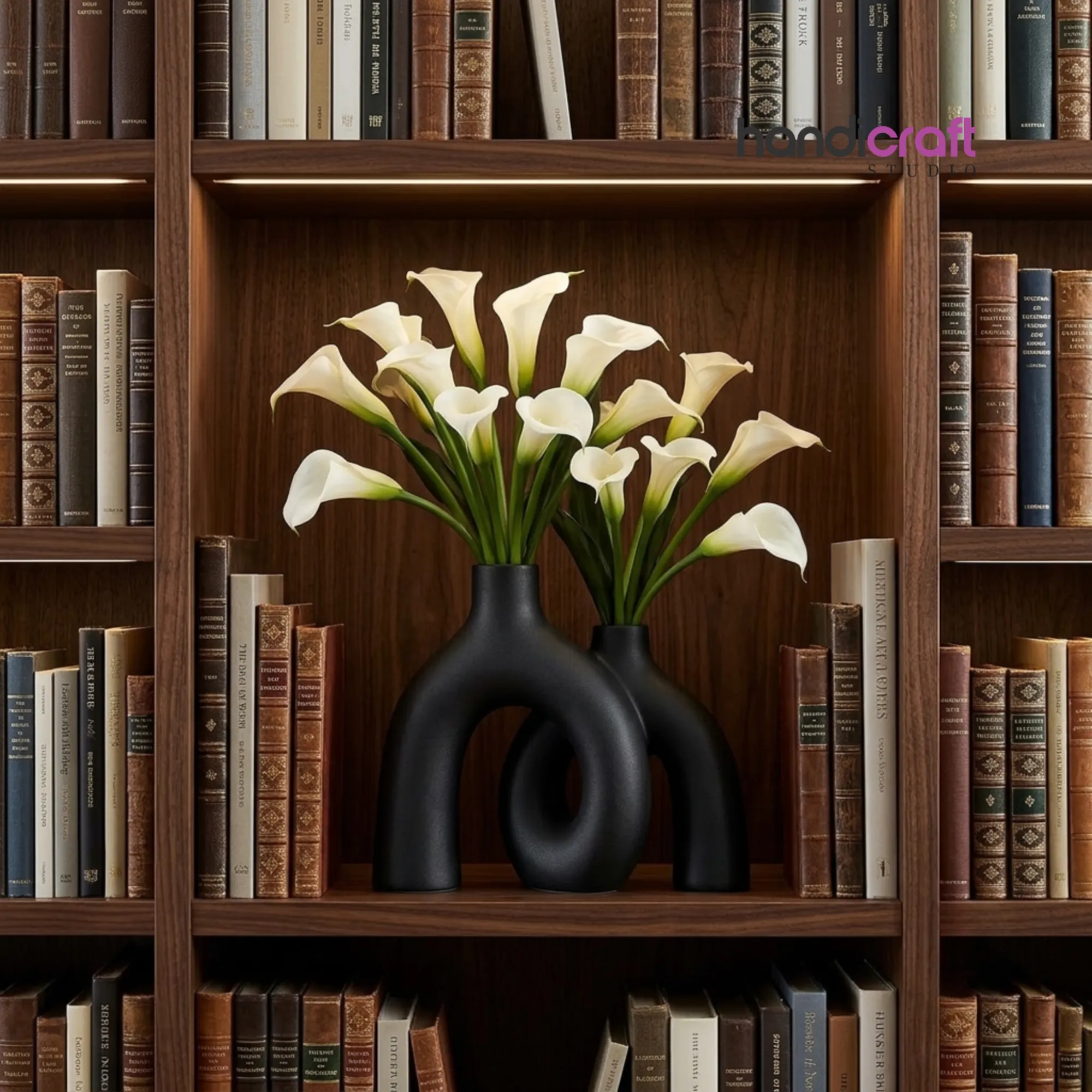
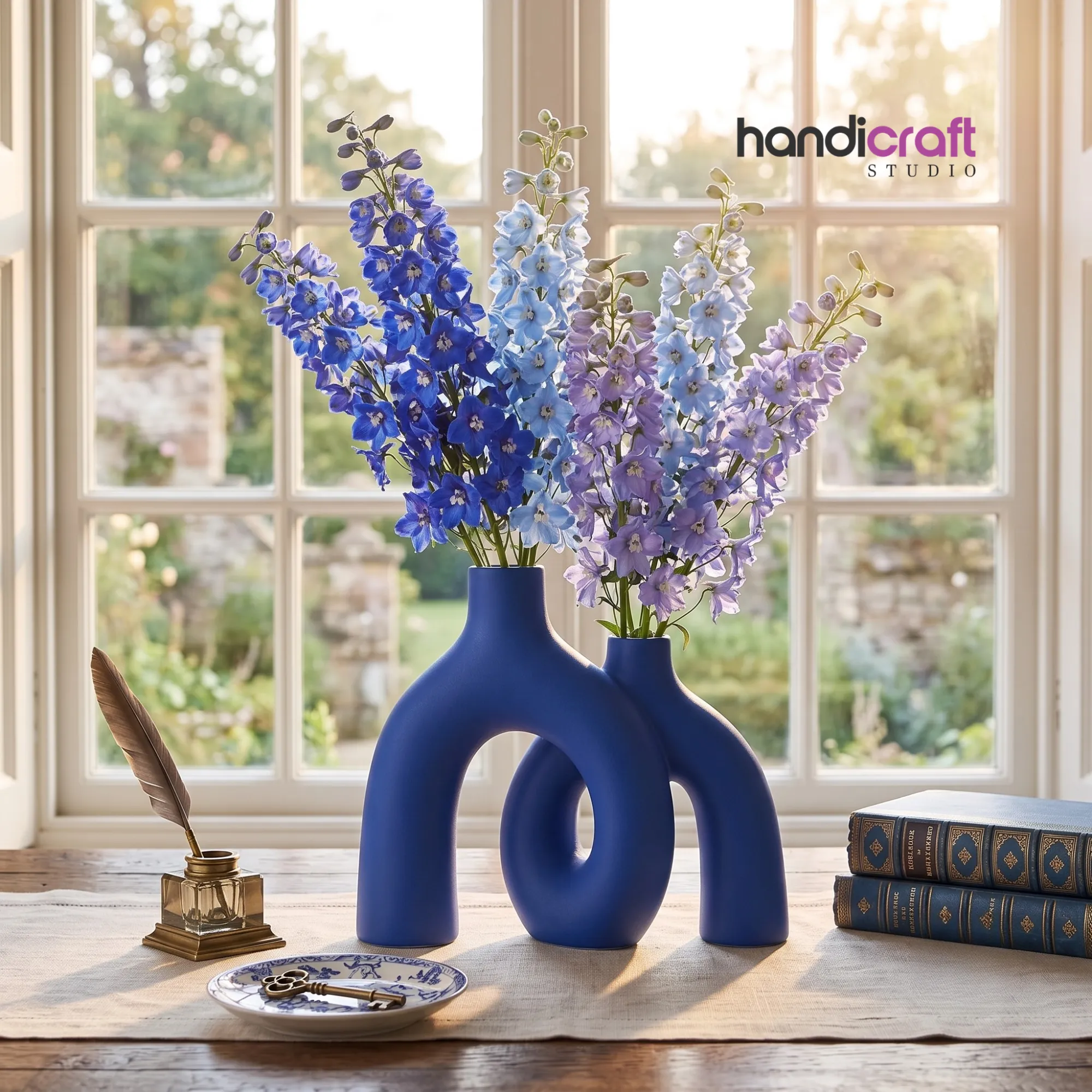
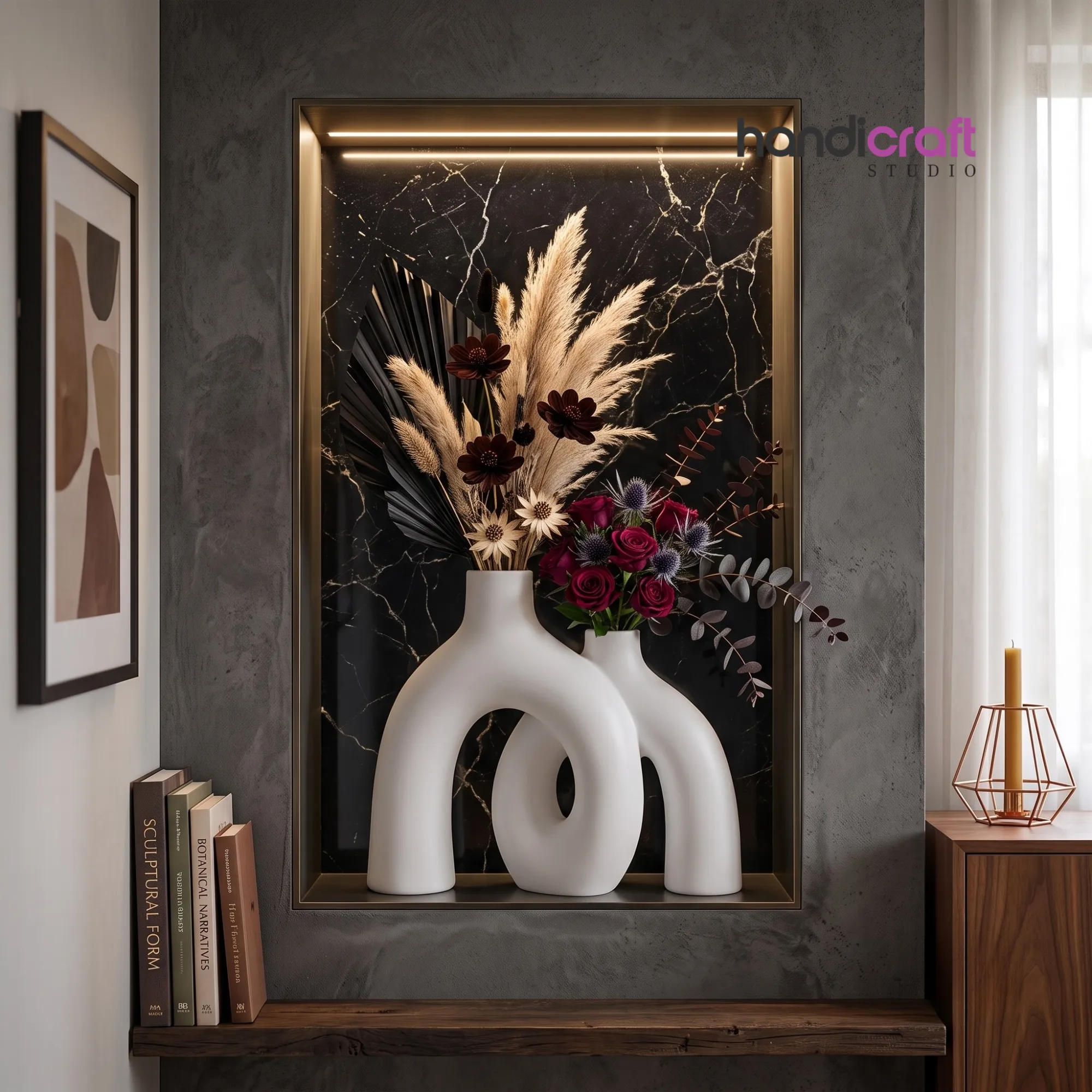
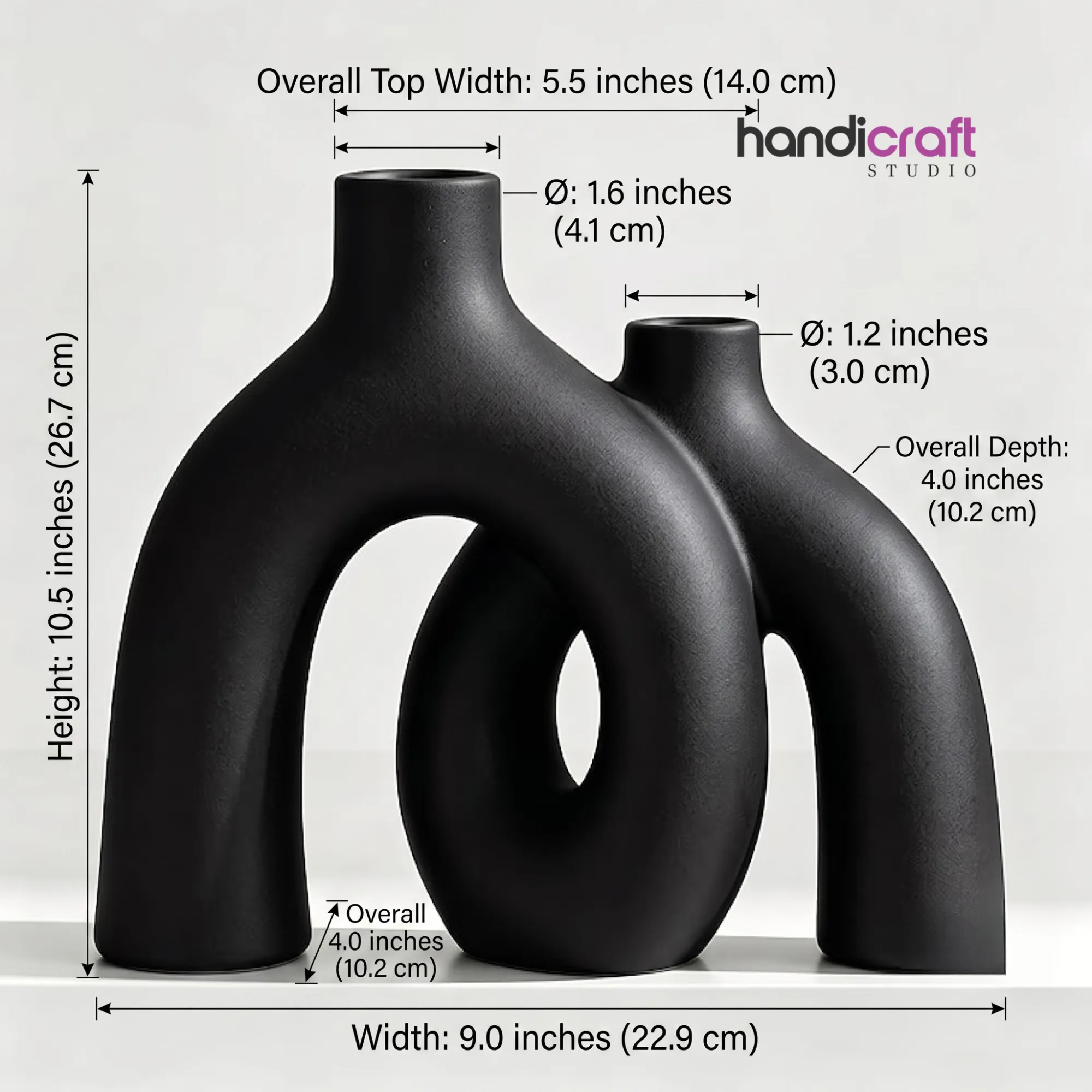
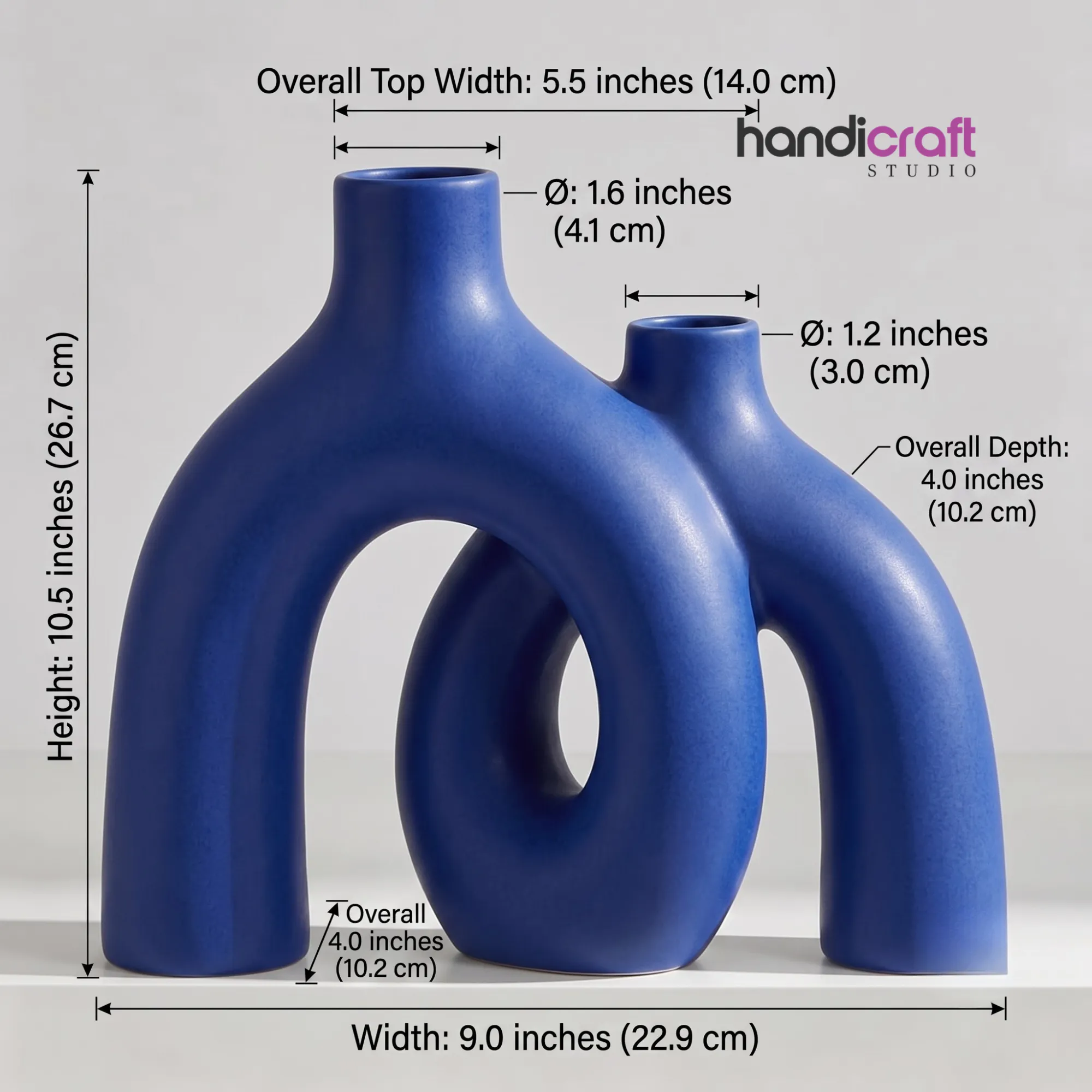
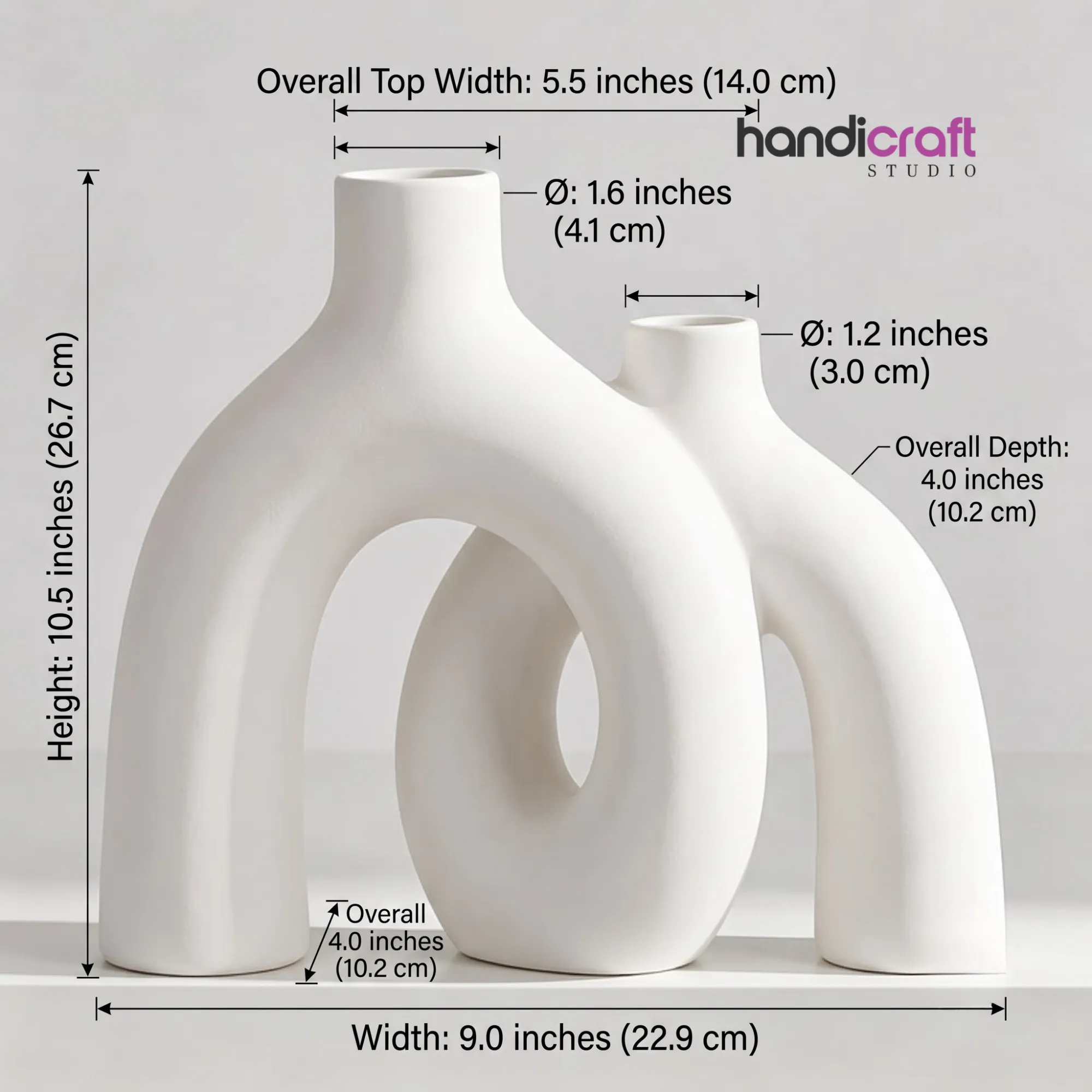
Choose the finish that serves your room best. A white ceramic vase spreads calm, a black vase adds bold depth, and a blue vase carries breezy charm. Additionally, decide where the ring will live before ordering, so the size suits the shelf from day one.
Why Slow-Made Home Decor Vases Reward You
Slow making sounds romantic, but the rewards are practical too. Here is what all that patience actually buys you. Additionally, each reward compounds quietly over the years.
Strength You Can Feel Immediately
Twice-fired stoneware turns dense and confident. Lift the ring once, and the honest weight settles any doubt. Furthermore, that density shrugs off sunny sills, damp kitchens, and busy family shelves for decades. Cheap decor rarely survives one house move; this piece survives several.
A Vase for Flowers With a Story to Tell
Fill it with two roses or a handful of marigolds, and something shifts. The flowers feel chosen, and the vessel feels earned. Meanwhile, guests who ask about the ring receive a real story: a wheel, a fire, and a pair of skilled Indian hands.
Styling the Craft Story at Home
Let the handmade theme spread across the shelf. Use the ring as a decorative floral pampas holder beside woven baskets. Or gather it with modern tabletop accent vessels and a textured pottery flower pot. Together, the group reads like a small gallery of honest materials.
Caring for a Piece Someone Made by Hand
Care here is less about effort and more about respect. A few gentle habits honour the hours inside the ring. Happily, none of them takes long. In fact, five gentle minutes a week cover everything here.
The Simple Weekly Rhythm
Dust the surface with a dry, soft cloth once a week. For fingerprints or splashes, warm water and mild soap work perfectly. Then dry the piece fully before it returns to duty. Harsh scrubbers stay banned, since the glaze deserves kindness.
Respecting the Glaze Through the Years
Avoid sudden temperature shocks, like hot pans resting nearby. Likewise, lift the ring by its body rather than its rim. These small courtesies protect the fired surface for a lifetime. In return, the shine stays as bright as the day it left the kiln.
If You Ever Pass It On
Handmade pieces tend to outlive their first owners' trends. Should the ring move to a new home, wrap it in soft cloth and share its story too. After all, the next keeper deserves to know a human made it.
Frequently Asked Questions
How long does it take to make one hug donut vase?
Several days at minimum, and often more than a week. Shaping happens in minutes, but drying and double firing cannot be rushed. Moreover, humid weather stretches the schedule further. Slow is simply the price of soul, and the studio pays it gladly.
Why does my vase look slightly different from the photos?
Because a person, not a printer, made it. Hand glazing creates gentle shifts in tone and tiny surface marks. However, the shape, size, and quality always match the listing. Those small differences make your ring the only one of its kind anywhere.
What does fired twice actually mean?
It means your ring visited the kiln on two separate occasions. The first visit hardens the raw clay; the second melts the glaze into glass. Together, the firings create a sealed, sturdy body. That is why the piece holds water and shrugs off daily wear.
Is a handmade ceramic vase worth the price?
Measure it in years, not rupees, and the answer turns clear. Mass decor gets replaced every season, while this ring stays for decades. Besides, your money supports real artisan families through Handicraft Studio. Few purchases return so much beauty and meaning at once.



























Sign in to leave a comment.