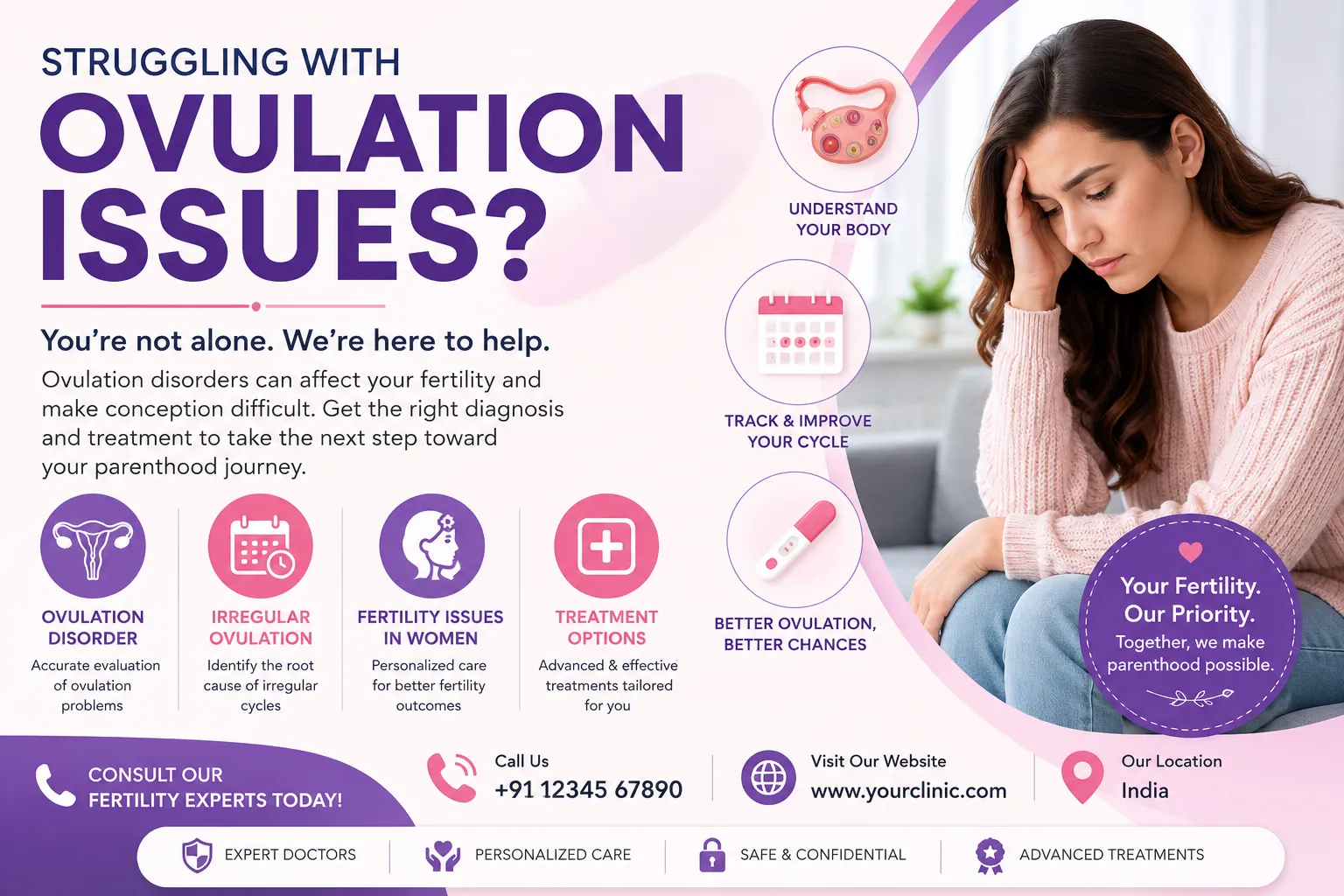

Fertility often feels like a quiet orchestra, where hormones, organs, and timing all play in sync. But when ovulation slips out of rhythm, the melody can falter. Ovulation disorders are one of the most common reasons behind difficulty in conceiving, yet they are often misunderstood or overlooked.
If you’ve been navigating fertility issues women face, understanding ovulation is a powerful first step toward clarity and control.
What Is an Ovulation Disorder?
An ovulation disorder occurs when the ovary does not release an egg regularly or at all. Ovulation is essential for natural conception, as it’s the moment when an egg is available for fertilization.
When ovulation becomes unpredictable or stops completely, it can lead to ovulation problems that affect fertility.
Types of Ovulation Disorders
Ovulation issues can take different forms, each with its own underlying cause:
1. Irregular Ovulation
This is when ovulation happens inconsistently. Women with irregular ovulation may still ovulate occasionally, but timing becomes unpredictable.
2. Anovulation
A condition where ovulation does not occur at all. This is a major contributor to infertility.
3. Luteal Phase Defect
In this case, the body doesn’t produce enough progesterone after ovulation, making it difficult for a fertilized egg to implant.
Common Causes of Ovulation Disorders
Ovulation depends on a delicate hormonal balance. When that balance is disturbed, problems arise.
Hormonal Imbalances
Conditions like Polycystic Ovary Syndrome (PCOS) or thyroid disorders can disrupt ovulation.
Stress and Lifestyle Factors
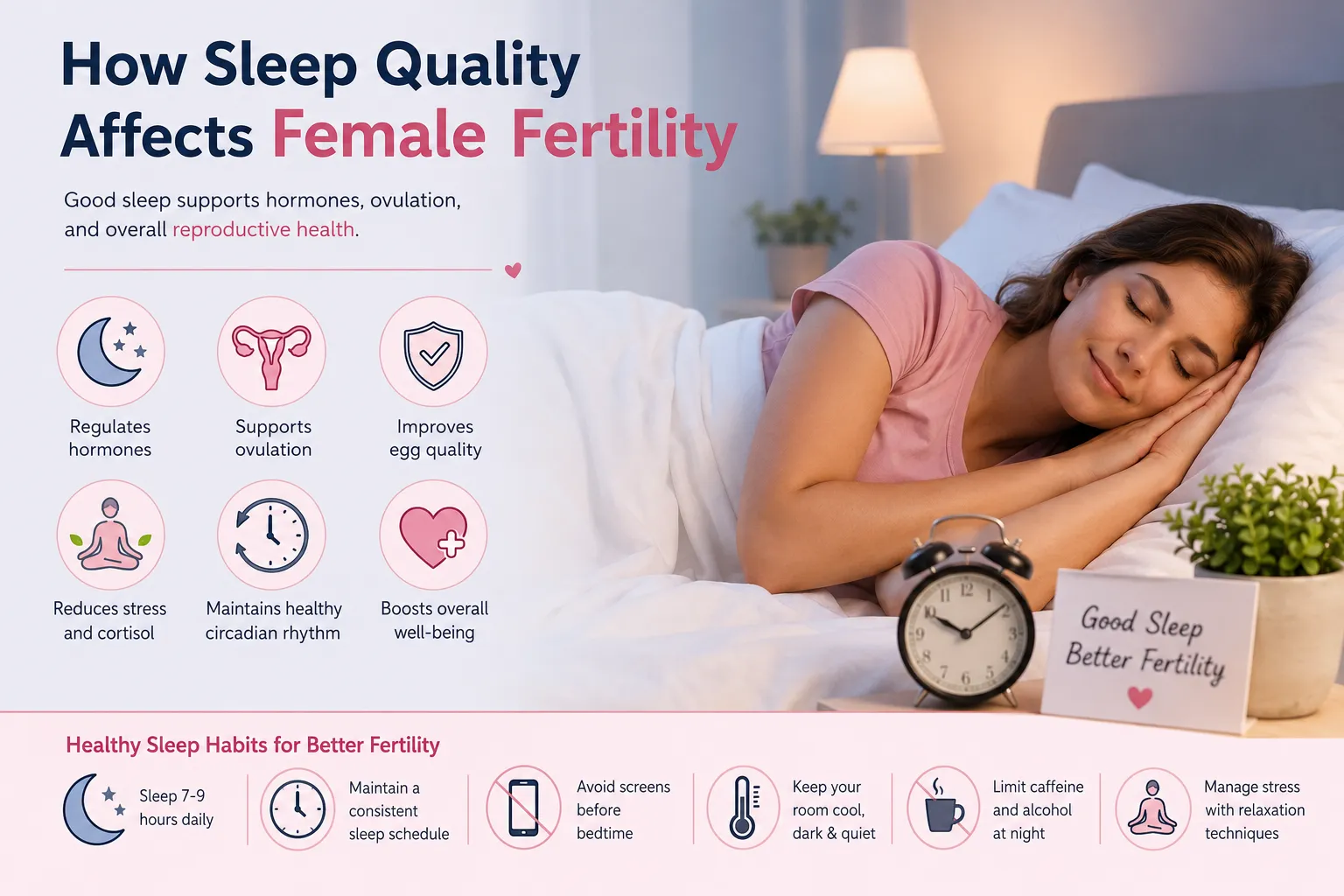
High stress, poor diet, lack of sleep, or excessive exercise can interfere with hormonal signals.
Weight Issues
Being significantly underweight or overweight can affect hormone production and ovulation cycles.
Age
As women age, ovulation becomes less regular, especially after the mid-30s.
Medical Conditions
Chronic illnesses or certain medications can also lead to ovulation problems.
Symptoms to Watch For
Ovulation disorders don’t always announce themselves loudly, but there are subtle signs your body may give:
- Irregular or missed periods
- Very light or very heavy menstrual flow
- Difficulty conceiving after trying for several months
- Hormonal symptoms like acne or excessive hair growth
- Lack of ovulation signs such as basal body temperature changes
If you notice these patterns, it could indicate irregular ovulation or another underlying issue.
How Ovulation Disorders Affect Fertility
Ovulation is the gateway to conception. Without it, pregnancy cannot occur naturally. Even inconsistent ovulation reduces the chances of timing intercourse correctly.
For many experiencing fertility issues women commonly face, ovulation disorders are a key factor. The good news is that they are often treatable with the right approach.
Diagnosis: Finding the Root Cause 🔍
Doctors use a combination of methods to diagnose ovulation issues:
- Blood tests to check hormone levels
- Ultrasound to examine ovaries
- Tracking menstrual cycles
- Ovulation predictor kits
These tools help identify whether ovulation is occurring and what might be disrupting it.
Treatment Options
Treatment depends on the cause, but there are several effective ways to restore ovulation and improve fertility.
1. Lifestyle Changes
Sometimes, simple adjustments can make a big difference:
- Maintaining a healthy weight
- Reducing stress
- Eating a balanced diet
- Getting regular sleep
These changes can help regulate hormones and improve irregular ovulation.
2. Medications 💊
Doctors may prescribe medications to stimulate ovulation, such as:
- Clomiphene citrate
- Letrozole
- Hormonal therapies
These treatments are commonly used to address ovulation disorder conditions.
3. Treating Underlying Conditions
Managing issues like PCOS or thyroid disorders can restore normal ovulation patterns.
4. Assisted Reproductive Techniques
In some cases, treatments like IVF (In Vitro Fertilization) may be recommended if other methods are not successful.
When Should You See a Doctor?
It’s time to consult a healthcare professional if:
- You’ve been trying to conceive for 12 months (or 6 months if over 35)
- Your periods are highly irregular or absent
- You suspect ovulation problems
Early diagnosis can significantly improve treatment outcomes.
Emotional Impact and Support 💛
Fertility challenges can feel like walking through a maze without a map. It’s important to remember that you’re not alone. Many women face fertility issues women experience, and support is available through medical guidance, counseling, and community groups.
Final Thoughts
Ovulation disorders may disrupt the natural rhythm of fertility, but they are not the end of the story. With proper diagnosis, treatment, and care, many women successfully overcome ovulation problems and achieve pregnancy.
Think of your body as a finely tuned instrument. When one string goes out of tune, it doesn’t mean the music is over, it just needs adjustment. With the right support and knowledge, harmony can be restored. 🌼





























Sign in to leave a comment.