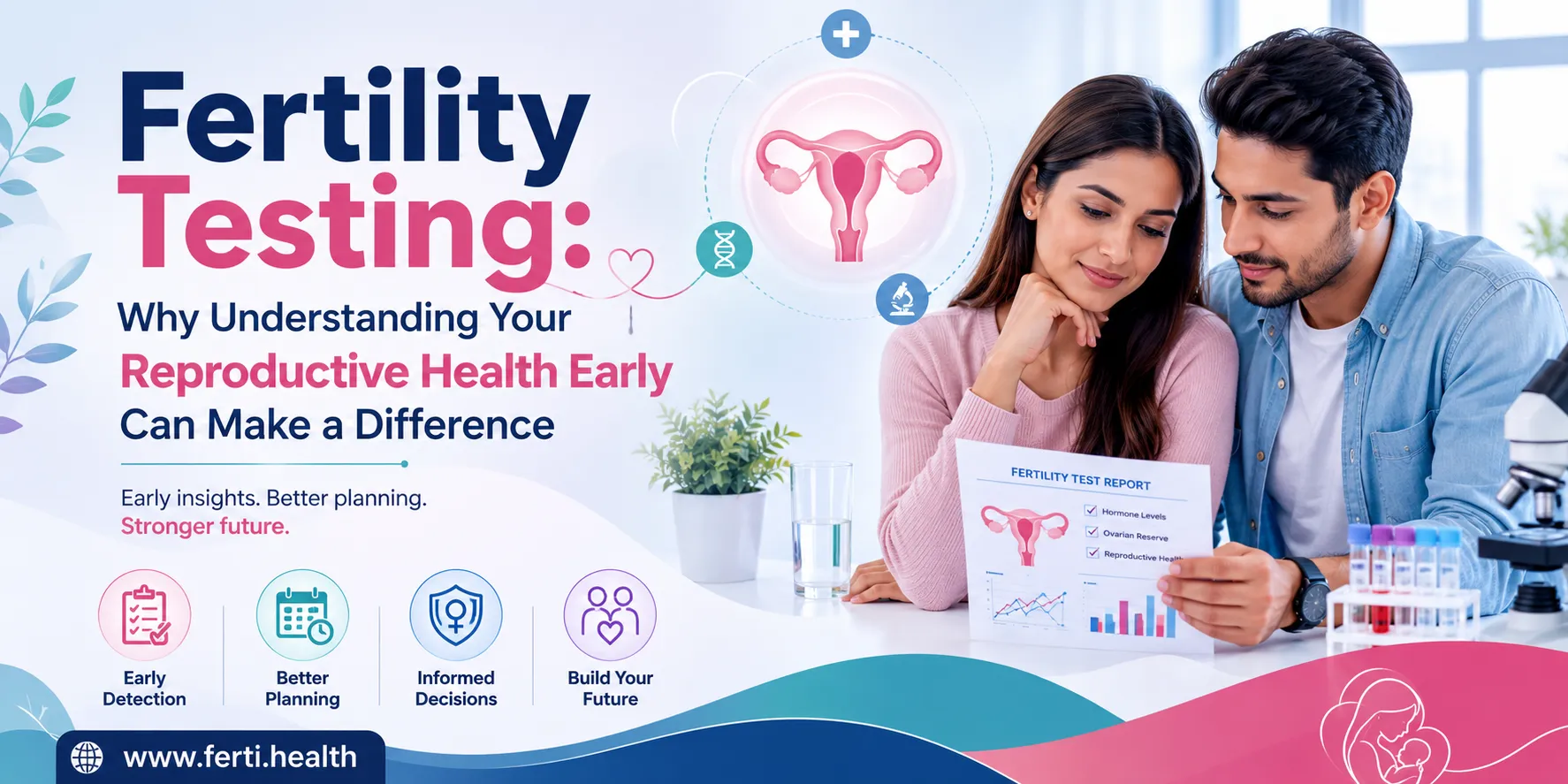

For many people, fertility is something they don't think about until they are ready to start a family. The assumption is often simple: when the time comes, conception will happen naturally. While this is true for many individuals, fertility is influenced by numerous factors that can change over time, including age, lifestyle, medical conditions, genetics, and overall health.
As awareness around reproductive health grows, fertility testing is becoming an increasingly valuable tool for individuals and couples who want a better understanding of their fertility status before they begin trying to conceive.
Rather than waiting until challenges arise, fertility testing offers an opportunity to gain insight, identify potential concerns, and make informed decisions about future family planning.
What Is Fertility Testing?
Fertility testing refers to a series of medical evaluations that assess reproductive health and identify factors that may affect fertility.
The purpose of fertility testing is not simply to diagnose infertility. Instead, it provides a clearer picture of an individual's reproductive health and fertility potential.
Testing can be performed for both women and men and often includes a combination of laboratory evaluations, imaging, and medical history assessments.
Why Fertility Testing Matters
One of the biggest misconceptions surrounding fertility is that age is the only factor that matters.
While age plays an important role, fertility can also be affected by:
- Hormonal imbalances
- Polycystic Ovary Syndrome (PCOS)
- Endometriosis
- Thyroid disorders
- Lifestyle habits
- Male factor fertility issues
- Genetic conditions
Many of these factors may not produce obvious symptoms.
Fertility testing helps identify potential concerns before they become significant obstacles.
Common Fertility Tests for Women
Women's fertility assessments typically evaluate ovarian reserve, hormone levels, ovulation patterns, and reproductive anatomy.
Common Female Fertility Tests
| Test | Purpose |
|---|---|
| AMH Test | Evaluates ovarian reserve |
| FSH Test | Assesses reproductive hormone function |
| Estradiol Test | Measures ovarian activity |
| Pelvic Ultrasound | Examines ovaries and uterus |
| Ovulation Assessment | Tracks egg release patterns |
These tests provide valuable information about reproductive health and fertility potential.
Common Fertility Tests for Men
Male fertility contributes to a significant percentage of conception challenges, making testing equally important for men.
Common Male Fertility Tests
| Test | Purpose |
|---|---|
| Semen Analysis | Evaluates sperm count, movement, and shape |
| Hormone Testing | Assesses reproductive hormone levels |
| Genetic Screening | Identifies inherited conditions |
| Physical Examination | Evaluates reproductive health |
Early testing can help identify concerns and guide future family-planning decisions.
Signs You May Benefit from Fertility Testing
While anyone can benefit from understanding their fertility health, testing may be particularly valuable for individuals who:
- Are over age 30 and planning future parenthood
- Have irregular menstrual cycles
- Have a history of endometriosis or PCOS
- Have experienced pregnancy loss
- Have a family history of reproductive conditions
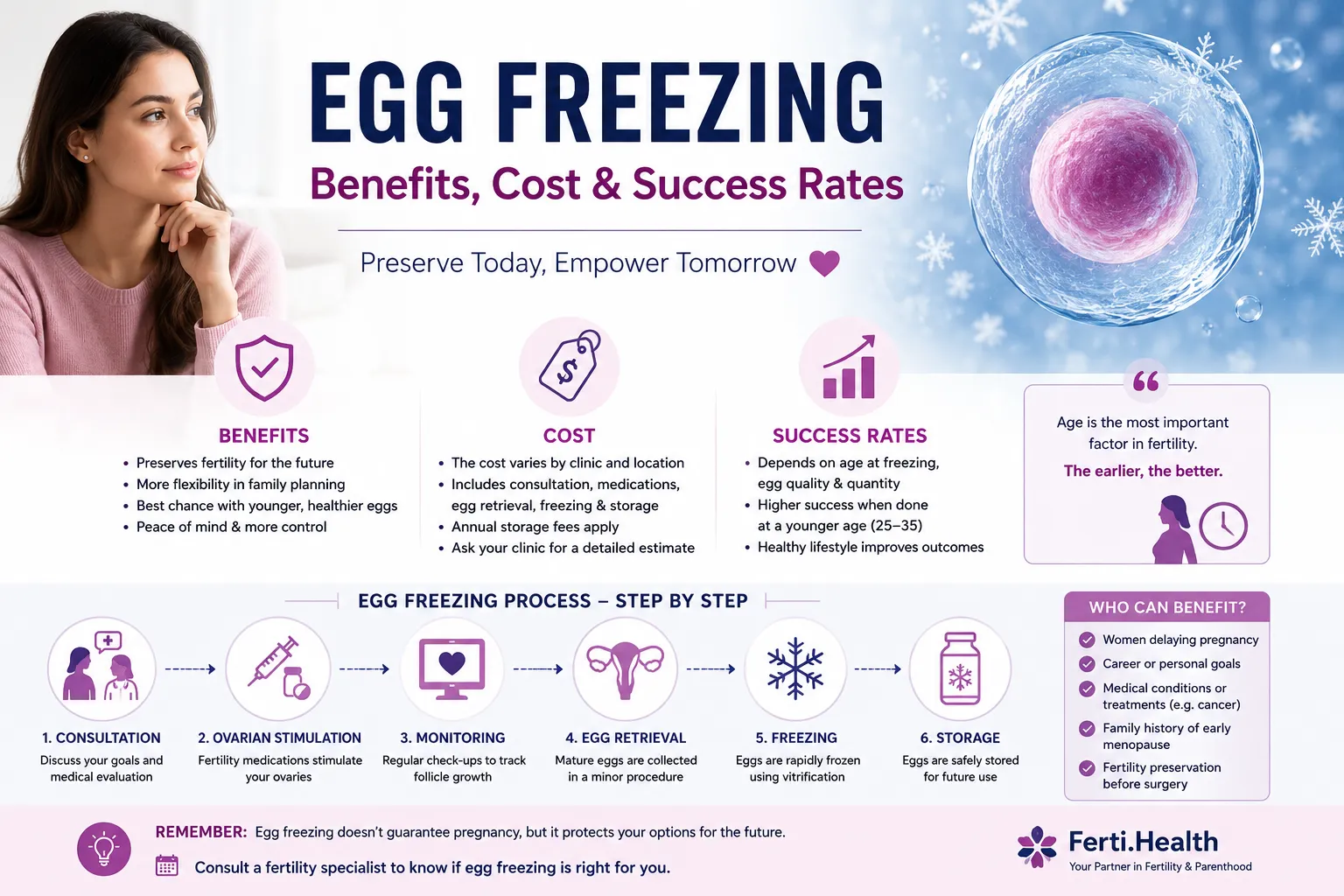
- Are considering fertility preservation
Fertility Testing and Age
Age remains one of the most important fertility factors.
Fertility Outlook by Age
| Age Group | General Fertility Outlook |
|---|---|
| Under 30 | Highest fertility potential |
| 30-35 | Strong fertility potential |
| 35-40 | Fertility decline becomes more noticeable |
| 40+ | Significant fertility decline may occur |
Understanding fertility status early can help individuals make more informed decisions about family planning.
The Benefits of Early Fertility Awareness
Fertility testing offers several advantages:
- Increased reproductive awareness
- Early identification of potential concerns
- Better family-planning decisions
- Greater confidence about future options
- Guidance regarding fertility preservation
Many fertility specialists believe that fertility awareness should become a routine part of preventive healthcare.
Expert Insight
Healthcare professionals increasingly encourage people to view fertility health the same way they view financial planning or preventive wellness.
The earlier reproductive health is understood, the more options may be available in the future.
Rather than waiting for fertility challenges to arise, proactive testing empowers individuals with information they can use to make informed decisions.
How Ferti Health Supports Fertility Testing
Ferti Health provides personalized fertility assessments designed to help individuals understand their reproductive health and future fertility options.
Through expert consultations, diagnostic evaluations, and evidence-based guidance, fertility specialists help patients gain clarity about their reproductive goals and create informed family-planning strategies.
Conclusion
Fertility testing is not only for individuals experiencing fertility challenges. It is a valuable tool for anyone who wants a better understanding of their reproductive health.
Knowledge creates options. By learning more about fertility today, individuals can make more confident decisions about tomorrow.
FAQs
What is fertility testing?
Fertility testing evaluates reproductive health and identifies factors that may affect fertility.
Who should get fertility testing?
Anyone planning future parenthood or seeking reproductive health insights may benefit.
Do men need fertility testing?
Yes. Male fertility is an important part of reproductive health.
Can fertility testing predict pregnancy?
No test can guarantee pregnancy, but testing provides valuable information about fertility status.




























Sign in to leave a comment.