

Feeling a sharp twinge when drinking a cold beverage or enjoying a hot cup of coffee can be frustrating, especially when your dentist tells you there are no cavities. Tooth sensitivity is more common than many people realise, and it does not always point to tooth decay.
Understanding what causes sensitive teeth can help you protect your smile and avoid more serious dental problems in the future.
What Causes Tooth Sensitivity?
Your teeth are protected by a hard outer layer called enamel. Beneath it is dentine, which contains tiny channels leading to the nerves inside your tooth. When enamel becomes thinner or the roots of your teeth become exposed, these channels allow heat, cold, sweet foods, or even air to reach the nerves, causing discomfort.
This can happen for several reasons, even when your teeth are free from cavities.
Brushing Too Hard
Many people believe brushing harder means cleaning better, but the opposite is often true. Using excessive pressure or a hard-bristled toothbrush can gradually wear away enamel and irritate your gums.
Switching to a soft-bristled toothbrush and using gentle circular motions can make a significant difference over time.
Gum Recession
Healthy gums protect the roots of your teeth. As gums recede, the root surface becomes exposed. Since roots are not covered by enamel, they are naturally more sensitive to temperature changes and certain foods.
Gum recession may develop due to ageing, gum disease, aggressive brushing, or genetics.
Teeth Grinding
Grinding or clenching your teeth, particularly while sleeping, places repeated pressure on the enamel. Over time, this can wear the surface down and make your teeth more sensitive.
Some people are unaware they grind their teeth until they experience jaw pain, headaches, or increased tooth sensitivity.
Acidic Foods and Drinks
Frequent consumption of acidic foods and drinks can slowly erode tooth enamel. Common examples include:
- Soft drinks
- Sports drinks
- Citrus fruits
- Vinegar-based foods
- Wine
You do not need to avoid these foods completely, but enjoying them in moderation and rinsing your mouth with water afterwards can help reduce the effects of acid.
Recent Dental Treatment
It is normal for teeth to feel temporarily sensitive after certain dental procedures, such as professional cleaning, fillings, crowns, or teeth whitening. This usually settles within a few days as the tooth recovers.
If sensitivity continues or becomes worse, it is worth having it checked.
Cracked Teeth or Worn Fillings
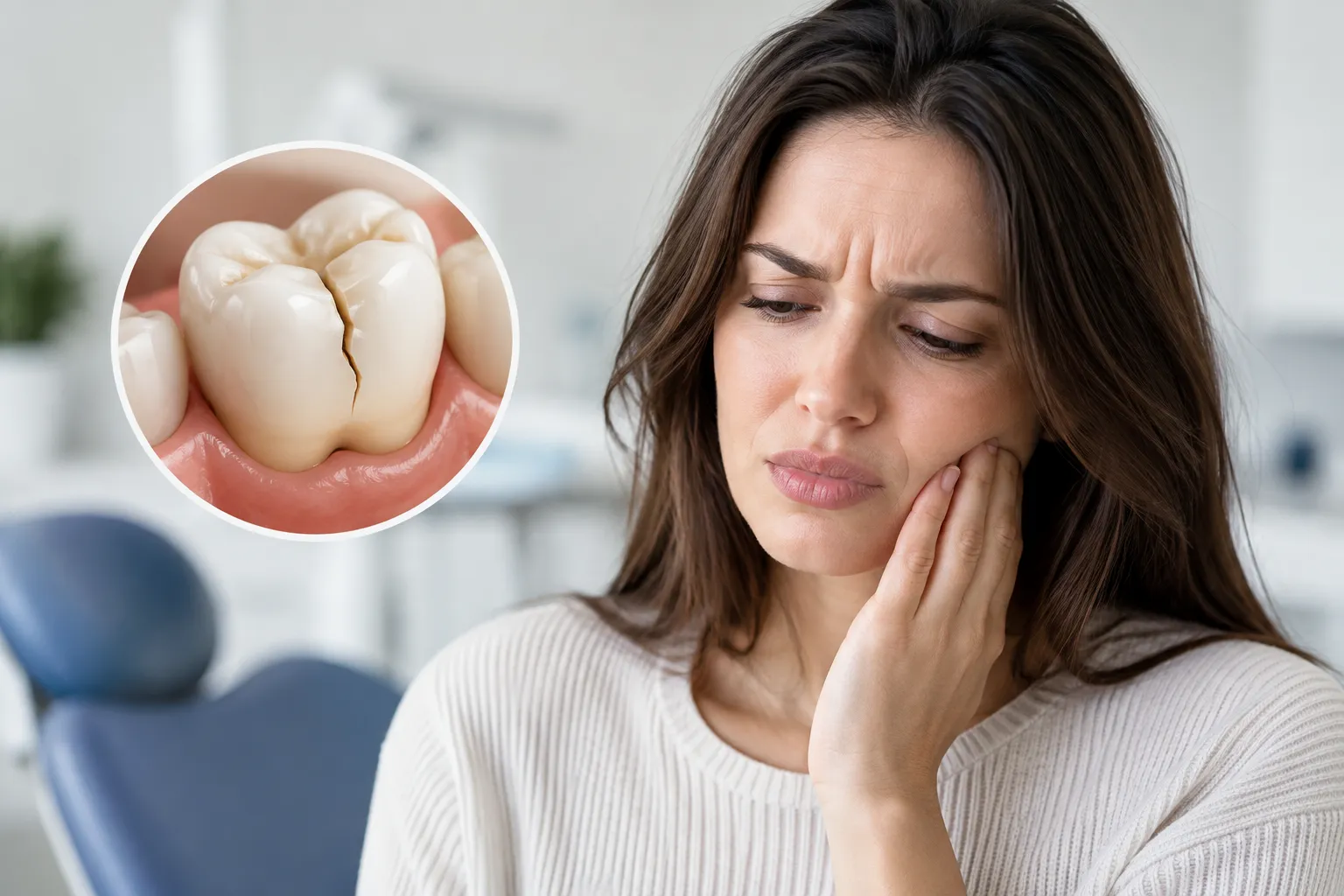
Very small cracks in a tooth or ageing fillings can expose sensitive areas without causing a cavity. These issues are often difficult to notice on your own and may only become apparent when eating or drinking something hot or cold.
A dental examination can identify these problems before they develop into something more serious.
Sinus Pressure
Upper back teeth share nerve pathways with your sinuses. During a cold, allergy flare-up, or sinus infection, increased pressure can sometimes feel like tooth sensitivity, even though the teeth themselves are healthy.
Once the sinus problem improves, the discomfort often disappears as well.
Ways to Reduce Tooth Sensitivity
If your teeth feel sensitive, there are several simple steps you can take.
- Use toothpaste made for sensitive teeth.
- Brush gently with a soft-bristled toothbrush.
- Limit acidic foods and sugary drinks.
- Wear a custom mouthguard if you grind your teeth.
- Maintain good oral hygiene every day.
- Attend regular dental check-ups to identify problems early.
These habits can help protect your enamel and reduce discomfort over time.
When Should You See a Dentist?
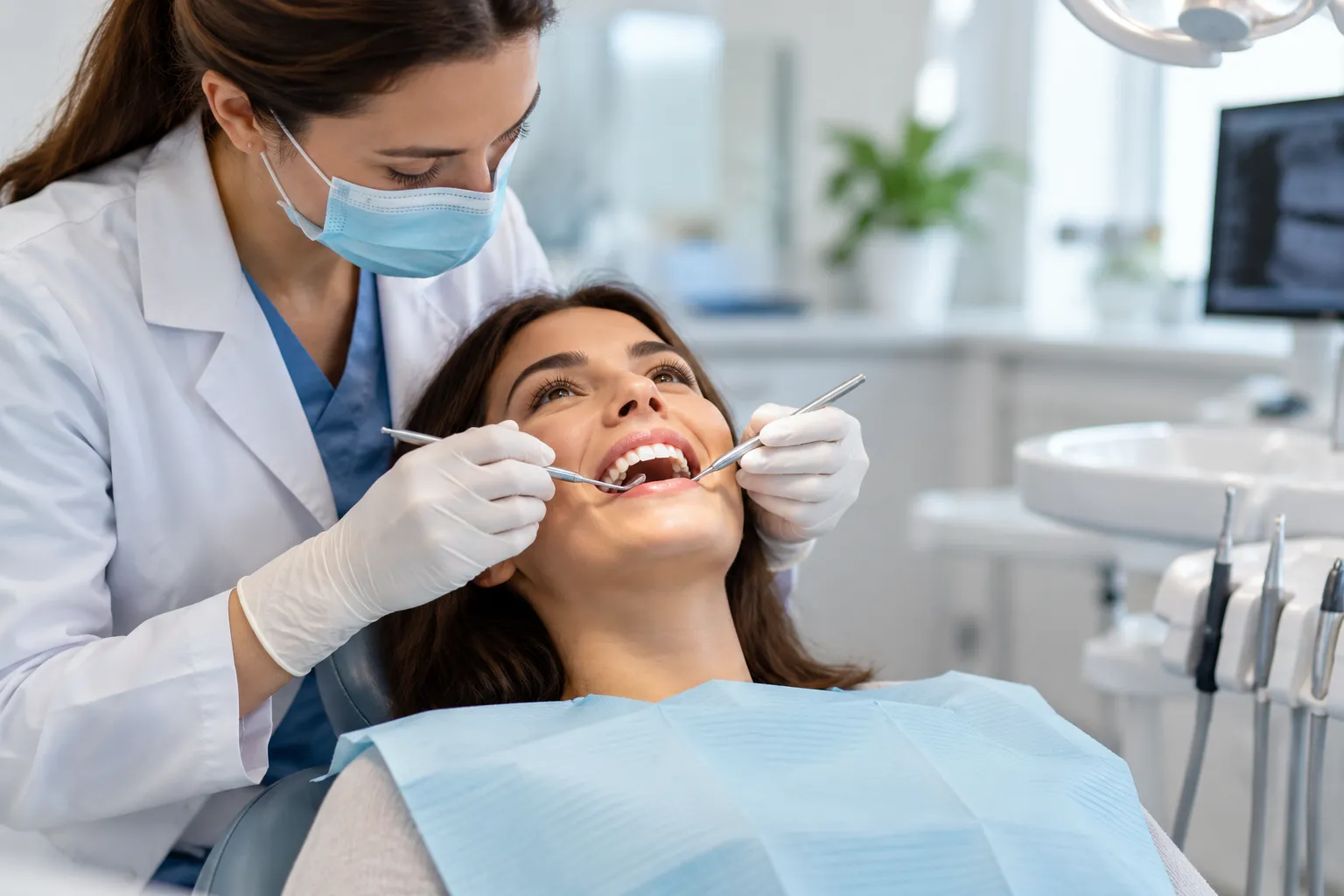
Occasional sensitivity may not be a cause for concern, but ongoing discomfort should never be ignored. Sensitivity that lasts for several weeks, becomes more intense, or affects your daily life could be a sign of enamel loss, gum disease, a cracked tooth, or another underlying issue.
Visiting an experienced dentist allows the cause to be identified early, making treatment simpler and helping prevent future complications.
Final Thoughts
Sensitive teeth without cavities are surprisingly common and often result from enamel wear, exposed tooth roots, grinding, gum recession, or dietary habits rather than decay. The good news is that many causes can be managed with simple lifestyle changes and professional dental care.
If your teeth continue to react to hot, cold, or sweet foods, do not ignore the signs. Early assessment and the right advice can help protect your teeth, relieve discomfort, and keep your smile healthy for years to come.




















Sign in to leave a comment.