

You brush your teeth twice a day, use mouthwash, and even chew sugar free gum. Yet, your breath still does not feel fresh. If this sounds familiar, you are not alone. Persistent bad breath, also known as halitosis, affects many Australians and can be frustrating, especially when your daily oral hygiene routine seems to be doing everything right.
The truth is that brushing alone cannot solve every cause of bad breath. In many cases, the real reason is hidden beneath the surface and may require professional dental care to identify and treat.
Here are some of the most common reasons your breath may still smell after brushing.
1. You Are Not Cleaning Your Tongue
Your tongue is one of the biggest hiding places for bacteria. Tiny grooves on its surface trap food particles, dead cells, and bacteria that produce unpleasant odours.
Even if your teeth are perfectly clean, leaving your tongue untouched can allow bad breath to continue.
A tongue scraper or a soft toothbrush can help remove this build-up as part of your daily routine.
2. Gum Disease Could Be the Cause
Healthy gums should look pink and feel firm. If your gums bleed when brushing or flossing, it may be an early sign of gum disease.
Bacteria trapped below the gum line release sulphur compounds that create an unpleasant smell. As gum disease progresses, bad breath often becomes more noticeable.
Regular dental check-ups and professional cleans can help prevent gum disease before it becomes a more serious problem.
3. Food Is Stuck Between Your Teeth
Brushing removes plaque from the visible surfaces of your teeth, but it cannot always reach the tight spaces between them.
Small food particles left behind begin to break down, allowing bacteria to grow and create unpleasant odours.
Daily flossing or using interdental brushes helps remove debris that your toothbrush cannot reach.
4. Dry Mouth Is More Common Than You Think
Saliva plays an important role in keeping your mouth clean. It washes away food particles and helps control bacteria.
When your mouth becomes dry, bacteria multiply more quickly, leading to unpleasant breath.
Dry mouth can be caused by:
- Not drinking enough water
- Certain medications
- Sleeping with your mouth open
- Smoking
- Medical conditions
Drinking water regularly and discussing persistent dry mouth with your dentist can make a noticeable difference.
5. Tooth Decay Can Create Unpleasant Odours
A cavity is more than just a hole in your tooth. It creates a place where bacteria and food can collect, making it difficult to clean properly.
As bacteria continue to grow inside the damaged tooth, they can produce a lingering smell that brushing cannot remove.
Routine dental examinations allow cavities to be treated before they become larger problems.
6. Old Dental Restorations May Need Attention
Fillings, crowns, and bridges do not last forever.
If they become worn, cracked, or loose, small gaps may form where bacteria can collect. This hidden build-up often leads to persistent bad breath without causing immediate pain.
Your dentist can check whether older dental work is still sealing your teeth effectively.
7. Your Diet Plays a Bigger Role Than You Realise
Some foods naturally leave strong odours behind.
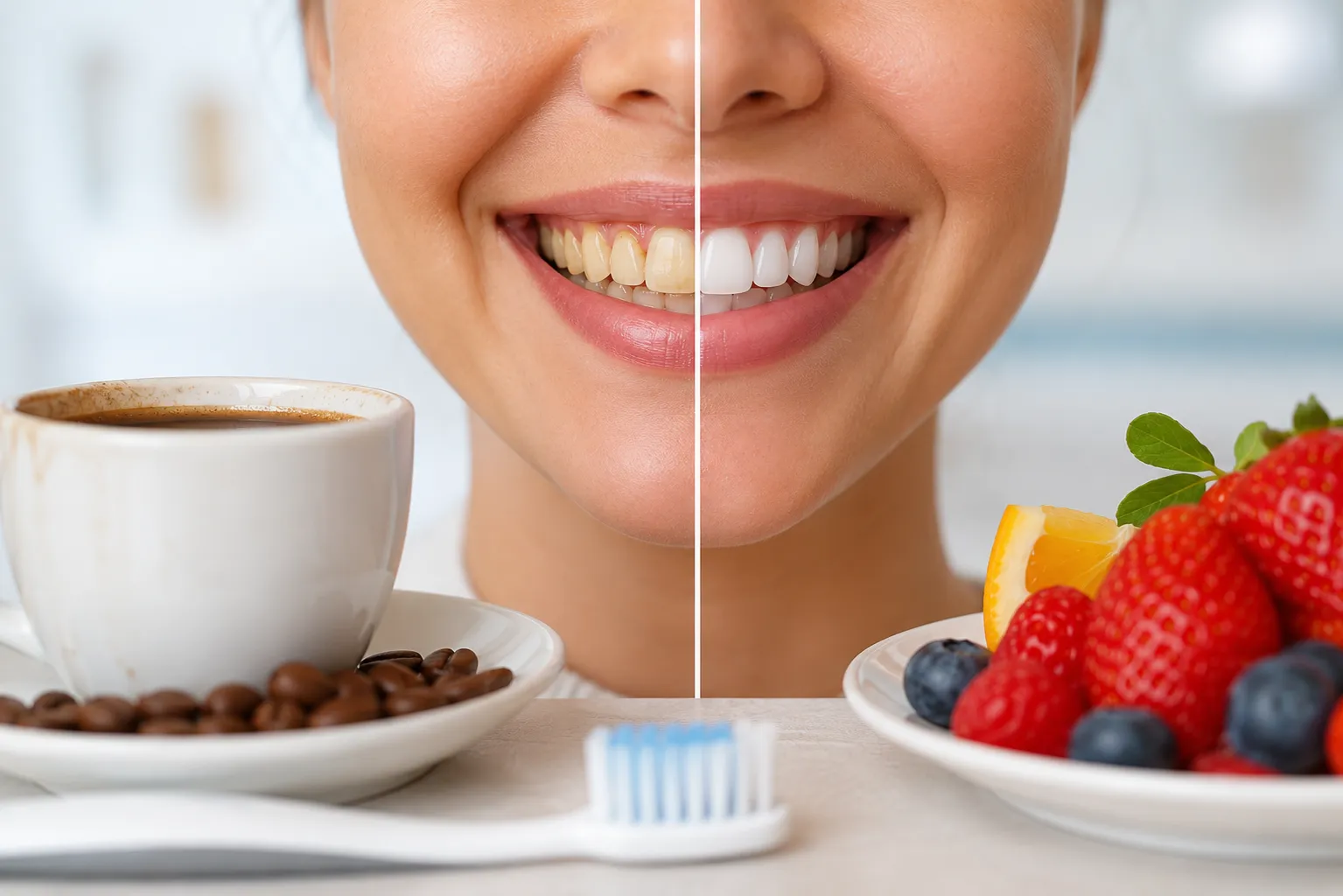
Garlic, onions, coffee, alcohol, and certain spices release compounds that enter your bloodstream and leave your body through your lungs, affecting your breath for hours.
Limiting these foods before social events and drinking plenty of water can help reduce lingering smells.
8. Smoking Affects More Than Just Your Teeth
Smoking dries the mouth, stains teeth, reduces saliva, and encourages harmful bacteria to grow.
It also increases your risk of gum disease, one of the leading causes of chronic bad breath.
Quitting smoking benefits not only your breath but also your overall oral health.
9. Mouthwash Only Masks the Problem
Many people rely on mouthwash for fresh breath.
While it can temporarily reduce odours, it does not remove the underlying cause if bacteria, gum disease, or tooth decay are present.
Fresh breath starts with identifying and treating the source rather than simply covering it up.
10. An Underlying Health Condition Could Be Responsible
Although most cases of bad breath begin in the mouth, some are linked to medical conditions.
These may include:
- Sinus infections
- Tonsil stones
- Acid reflux
- Diabetes
- Certain digestive conditions
If your dentist cannot find an oral cause, they may recommend speaking with your GP for further assessment.
How to Keep Your Breath Fresh?
Good oral hygiene is the best place to start.
Simple habits include:
- Brush your teeth twice each day using fluoride toothpaste.
- Clean your tongue every day.
- Floss daily.
- Stay well hydrated.
- Visit your dentist every six months for a professional check-up and clean.
- Replace your toothbrush every three months or sooner if the bristles become worn.
When Should You Visit a Dentist?
If bad breath continues despite good oral hygiene, it is worth booking a dental appointment.
Persistent bad breath is often an early warning sign that something is happening beneath the surface. Identifying the cause early can help prevent more serious dental problems while restoring your confidence.
A thorough examination can determine whether the issue is related to gum disease, tooth decay, dry mouth, existing dental work, or another oral health concern. Early treatment is usually simpler, more comfortable, and more affordable than waiting until symptoms become worse.
Frequently Asked Questions
Why does my breath still smell even after brushing?
Brushing cleans the surfaces of your teeth, but bacteria on your tongue, between your teeth, or below the gum line can still cause bad breath. Gum disease, dry mouth, and tooth decay are also common reasons.
Can bad breath be a sign of gum disease?
Yes. Persistent bad breath is often one of the first signs of gum disease because bacteria trapped around the gums produce unpleasant odours.
Does drinking more water help with bad breath?
Yes. Staying hydrated encourages saliva production, which naturally helps wash away bacteria and food particles that contribute to bad breath.
Is mouthwash enough to stop bad breath?
No. Mouthwash may temporarily freshen your breath, but it does not treat the underlying cause. A proper oral hygiene routine and regular dental check-ups are more effective.
When should I see a dentist about bad breath?
If your bad breath continues even after brushing, flossing, and cleaning your tongue, it is a good idea to book a dental appointment. Your dentist can identify the underlying cause and recommend the right treatment.





























Sign in to leave a comment.