
Introduction
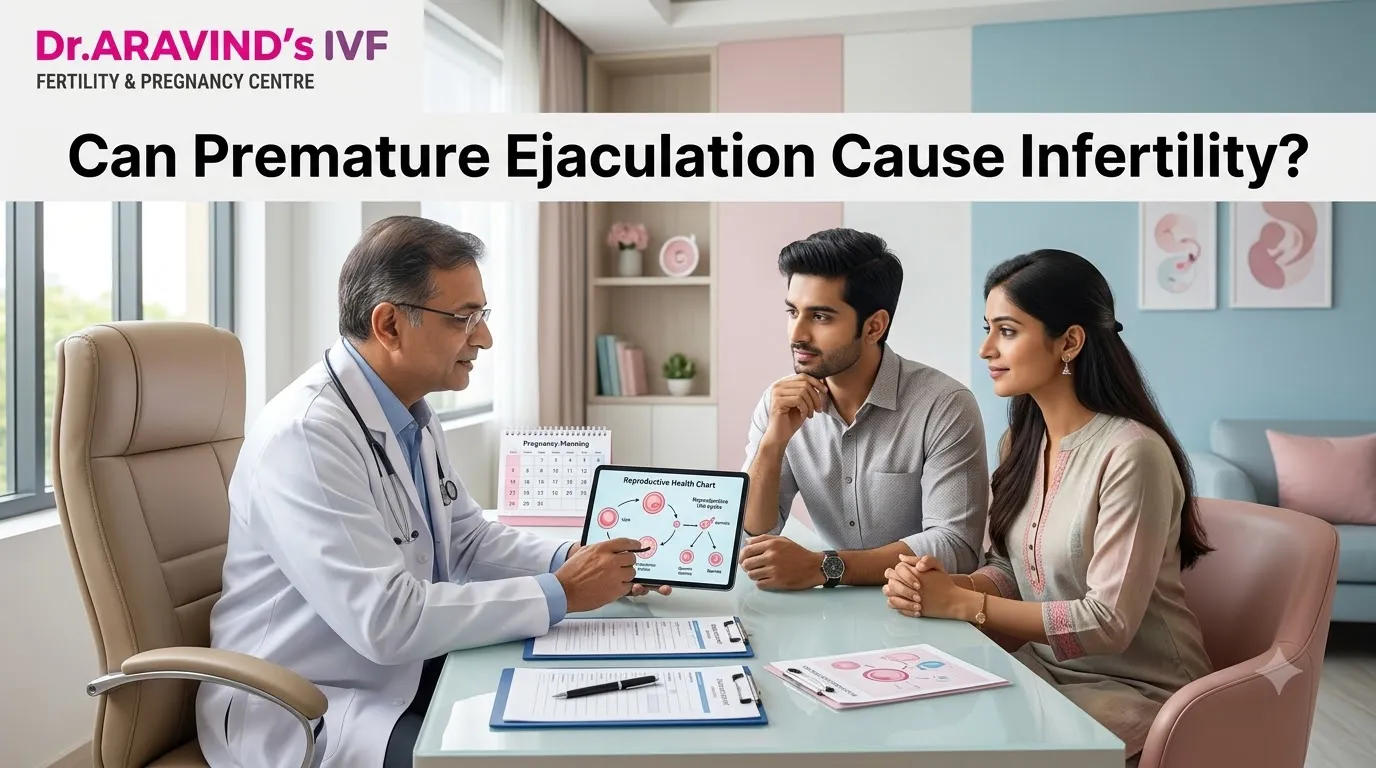
When a couple is trying to conceive, sexual health can become an important part of the conversation. Concerns about ejaculation timing are common, and many men wonder whether they could be the reason pregnancy has not happened. The good news is that ejaculation problems and infertility are not automatically the same thing.
Premature ejaculation is a sexual health concern in which ejaculation happens sooner than desired, often with limited control and associated personal or relationship distress. It can happen occasionally or repeatedly and may be influenced by psychological, physical, or relationship-related factors.
Having this concern does not automatically mean that a man is infertile. In most cases, it does not directly prevent sperm production or damage sperm. However, depending on when ejaculation occurs, it can sometimes make natural conception more difficult.
Can Premature Ejaculation Directly Cause Infertility?
Generally, no. The condition itself does not usually cause male infertility.
Male fertility depends on several factors, including sperm production, sperm movement, sperm structure, reproductive anatomy, hormones, and the ability to deposit semen into the vagina during intercourse.
If ejaculation occurs inside the vagina, sperm can potentially travel through the reproductive tract and fertilize an egg, even if ejaculation happened sooner than expected.
The important distinction is whether ejaculation occurs before or after penetration.
When Can It Affect Conception?
Ejaculation problems may interfere with conception when ejaculation consistently occurs before penetration. In this situation, semen may not enter the vagina, meaning sperm do not have the usual opportunity to reach the egg.
Difficulty with penetration or repeated avoidance of intercourse can also reduce the number of opportunities for conception.
This is different from having poor sperm quality. A man may have normal sperm production but still experience difficulty conceiving because ejaculation is interfering with intercourse.
Does It Affect Sperm Quality?
Premature ejaculation itself generally does not reduce sperm count, motility, or morphology.
Sperm quality can be influenced by factors such as age, certain medical conditions, smoking, excessive alcohol consumption, obesity, heat exposure, medications, and other reproductive or lifestyle factors.
Therefore, if pregnancy has not occurred, it is important not to assume that ejaculation timing is the only possible explanation.
Can Anxiety Make the Situation Worse?
Yes. Worry about sexual performance can create additional pressure during intimacy. A man may become increasingly focused on how long he will last, whether his partner is satisfied, or whether pregnancy will occur.
This can create a cycle in which anxiety increases sexual difficulty, and the difficulty then creates more anxiety.
For couples trying to conceive, reducing blame and maintaining open communication can make the experience less stressful.
Should You Have a Fertility Evaluation?
If ejaculation consistently occurs before penetration, or if a couple is having difficulty conceiving, professional advice can provide useful clarity.
A Fertility Hospital in Perambalur can evaluate the situation and determine whether the concern appears to be related to sexual function, sperm health, female reproductive factors, or several factors together.
A doctor may ask about medical history, sexual health, how long the couple has been trying to conceive, previous pregnancies, lifestyle habits, and other relevant concerns.
When appropriate, a semen analysis can assess sperm concentration, movement, and morphology. Other fertility tests may be recommended depending on the circumstances.
Can Treatment Help?
Yes. Treatment depends on the underlying cause and the individual's needs.
Possible approaches may include:
- Behavioral techniques to improve ejaculation control
- Counseling for anxiety or performance concerns
- Relationship or sexual counseling
- Lifestyle improvements
- Treatment of an underlying medical condition
- Medication when considered appropriate by a healthcare professional
The goal is not simply to delay ejaculation. Treatment should address the factors affecting sexual well-being and, when relevant, the couple's reproductive goals.
When Should Couples Seek Help?
Consider professional guidance if:
- Ejaculation regularly occurs before penetration
- Sexual concerns are affecting your relationship
- Anxiety or embarrassment is becoming difficult to manage
- You have been trying to conceive without success
- You have concerns about sperm health or other fertility factors
Both partners may need evaluation when pregnancy is not occurring. Fertility difficulties can involve male factors, female factors, or a combination of both.
Conclusion
Premature ejaculation does not automatically cause infertility and usually does not directly affect sperm production or sperm quality. However, when ejaculation happens consistently before vaginal penetration, it can make natural conception more difficult by preventing semen from entering the vagina.
The concern is often manageable with appropriate support. Couples should avoid self-blame, communicate openly, and seek professional guidance when the problem persists or pregnancy is taking longer than expected. Understanding the actual cause is the best way to choose the right next step.



























Sign in to leave a comment.