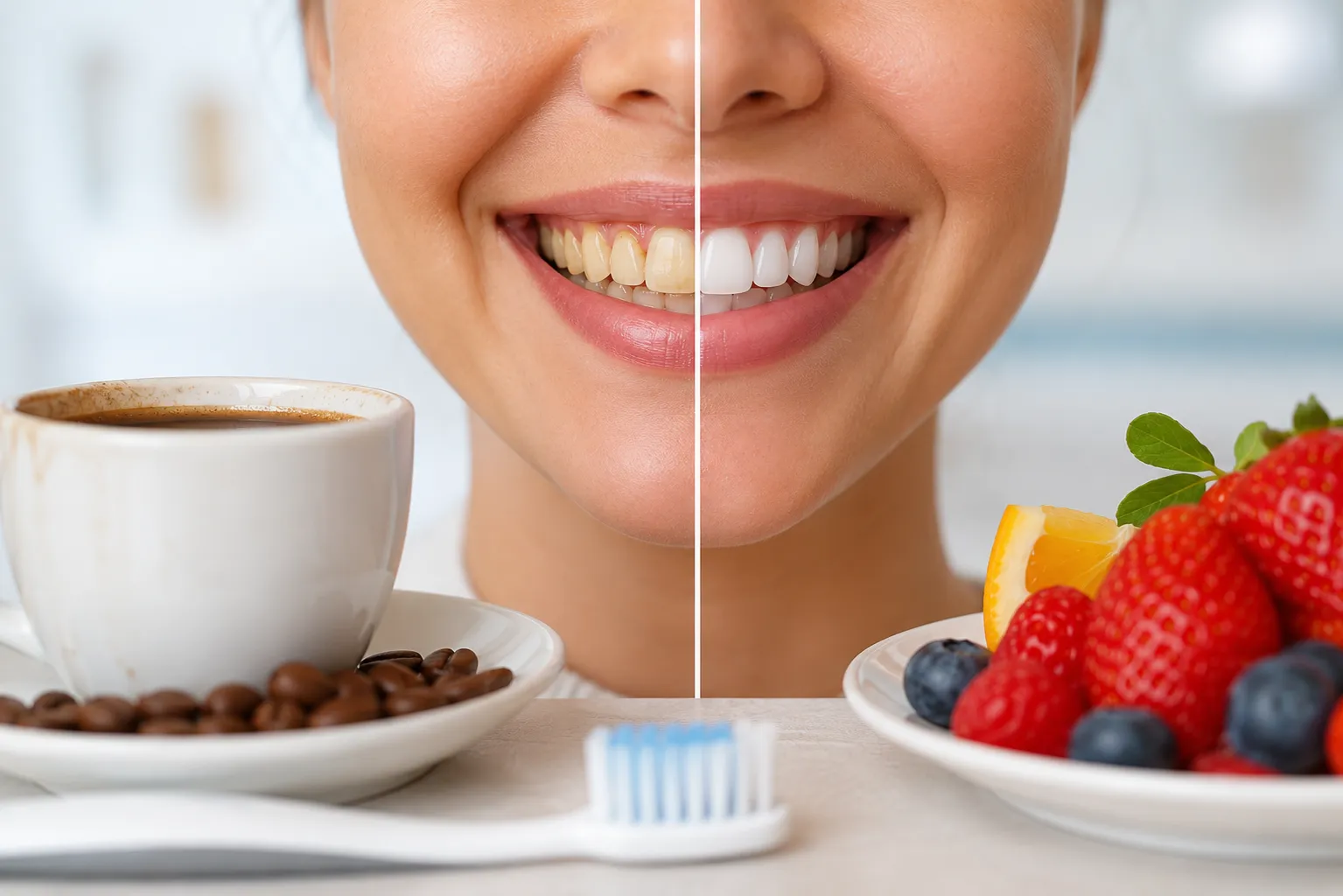

Many people assume coffee is the biggest reason their teeth become stained. While your morning flat white can certainly leave its mark, it is only one part of the story. If you have noticed your teeth becoming darker even though you brush twice a day, there may be other factors working against you.
Tooth staining is a gradual process. Some stains remain on the surface, while others settle deeper inside the tooth. Understanding what causes these stains is the first step towards keeping your smile looking brighter for longer.
Surface stains are more common than you think
The outer layer of your tooth, called enamel, is smooth but not completely resistant to stains. Tiny pores in the enamel can absorb pigments from foods and drinks over time.
Some of the biggest contributors include:
- Coffee and tea
- Red wine
- Soft drinks
- Curry and tomato-based sauces
- Soy sauce
- Berries
- Dark coloured sports drinks
If these foods and drinks are part of your daily routine, staining can slowly build up even if you maintain good oral hygiene.
Brushing alone cannot remove every stain
Brushing is essential, but it only removes fresh plaque and food particles. Once stains have bonded to the enamel, regular brushing may not be enough.
Using excessive force while brushing is another common mistake. Many Australians believe harder brushing cleans better, but it can wear away enamel and expose the naturally darker dentine underneath. This can make your teeth appear more yellow rather than whiter.
Using a soft-bristled toothbrush with gentle circular movements is a far better approach.
Smoking and vaping can speed up discolouration
Tobacco products remain one of the leading causes of stubborn tooth stains. Nicotine and tar quickly attach to the tooth surface, creating yellow or brown marks that become harder to remove over time.
While vaping may not contain tar, some products still contribute to staining depending on their ingredients and frequency of use. They can also reduce saliva flow, allowing pigments to remain on the teeth for longer.
Your enamel naturally changes with age
Even if you avoid coffee and never smoke, your teeth may still become darker over the years.
As people age, enamel gradually becomes thinner through everyday chewing and natural wear. The yellow dentine beneath becomes more visible, giving teeth a darker appearance. This is a normal part of ageing and not necessarily a sign of poor oral health.
Dry mouth can make staining worse
Saliva plays an important role in protecting your teeth. It helps wash away food particles, neutralise acids and reduce the amount of staining compounds left behind.
A dry mouth can occur because of:
- Certain medications
- Dehydration
- Mouth breathing
- Medical conditions
- Smoking
When saliva levels drop, stains develop more easily and plaque builds up faster.
Hidden plaque and tartar hold onto stains
Plaque forms on your teeth every day. If it is not removed properly, it hardens into tartar.
Tartar has a rough surface that attracts pigments from food and drinks much more easily than clean enamel. This is one reason professional dental cleans often make teeth appear noticeably brighter, even without whitening treatment.
Some stains come from inside the tooth
Not all tooth discolouration starts on the surface.
Internal stains may develop because of:
- Previous dental trauma
- Certain antibiotics taken during childhood
- Fluoride exposure during tooth development
- Ageing
- Previous root canal treatment
These deeper stains usually cannot be removed with ordinary toothpaste and often require professional assessment.
Whitening toothpaste has its limits
Many whitening toothpastes promise dramatic results, but most work by gently polishing away surface stains rather than changing the natural colour of your teeth.
While they may help maintain a cleaner appearance, they cannot remove deep internal stains or provide the same results as professional whitening treatments.
Simple habits that help prevent stains
Keeping your smile brighter does not require major lifestyle changes. Small daily habits can make a noticeable difference.
Try to:
- Drink water after coffee, tea or coloured drinks.
- Use a straw for iced beverages where possible.
- Avoid smoking or vaping.
- Brush twice each day with fluoride toothpaste.
- Clean between your teeth with floss or interdental brushes.
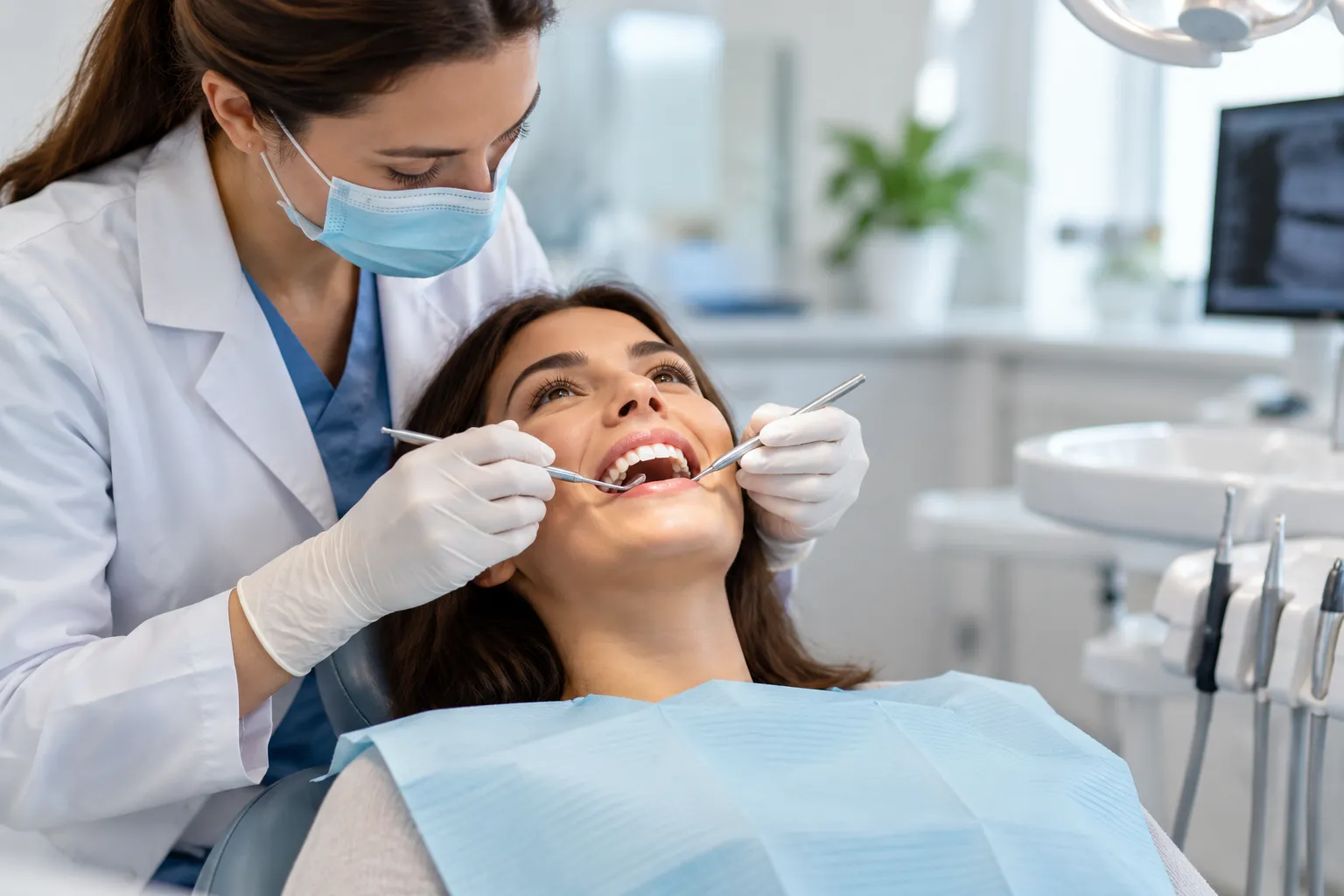
- Visit your dentist for regular check-ups and professional cleans.
These habits help reduce stain build-up while supporting better overall oral health.
When should you see a dentist?
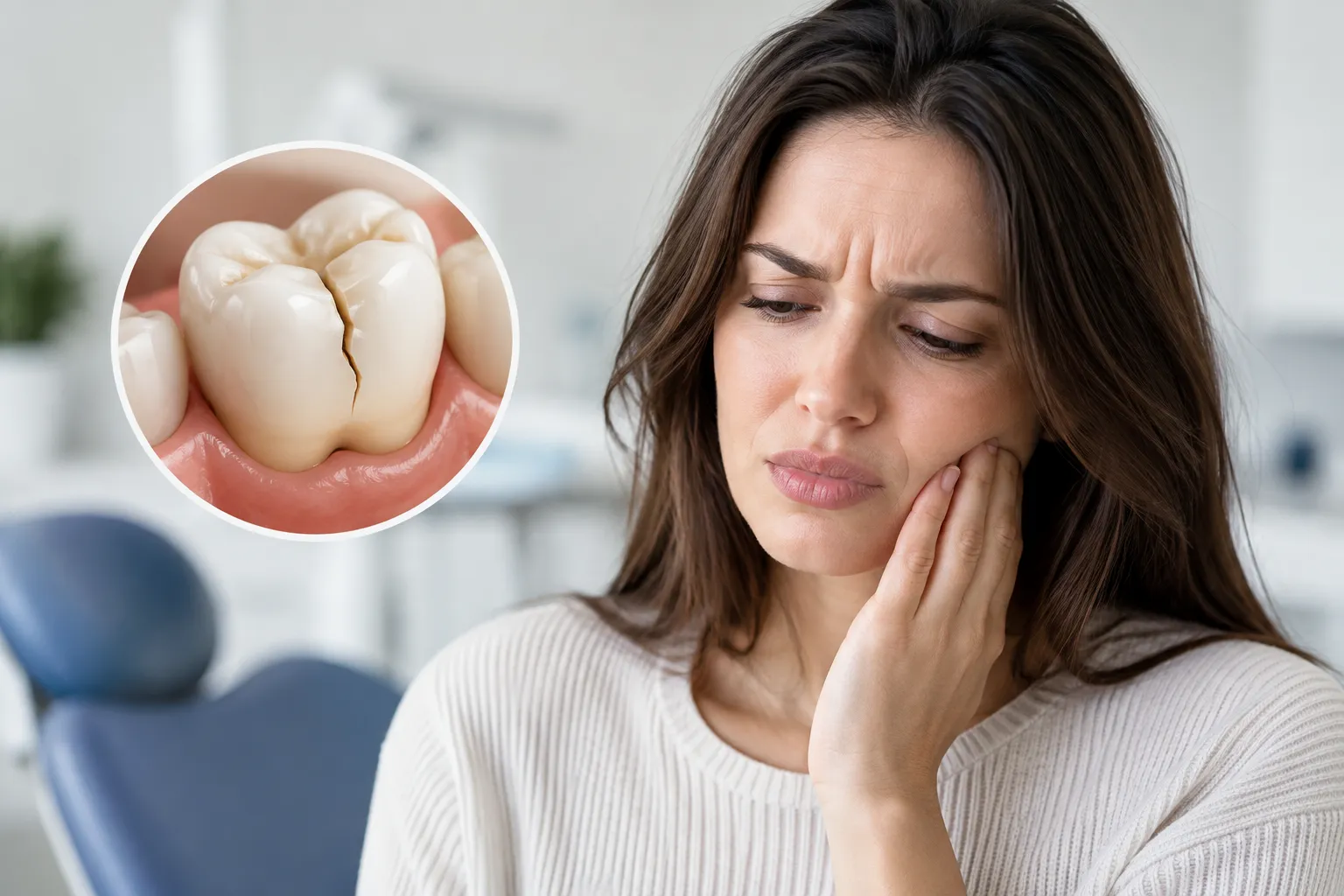
If your teeth suddenly change colour, develop dark patches or whitening products are not giving the results you expected, it is worth arranging a professional examination.
A qualified dentist can identify whether the staining is caused by surface build-up, enamel wear or an underlying dental issue. They can also recommend the safest and most effective treatment options based on your individual needs.
Final thoughts
Tooth stains are rarely caused by just one thing. Daily habits, ageing, diet, oral hygiene and overall health all play a role in how your smile changes over time.
The good news is that many common causes of staining can be managed with the right care. Regular professional cleans, healthy daily habits and personalised advice from your dentist can help keep your smile looking brighter and healthier for years to come.






















Sign in to leave a comment.