
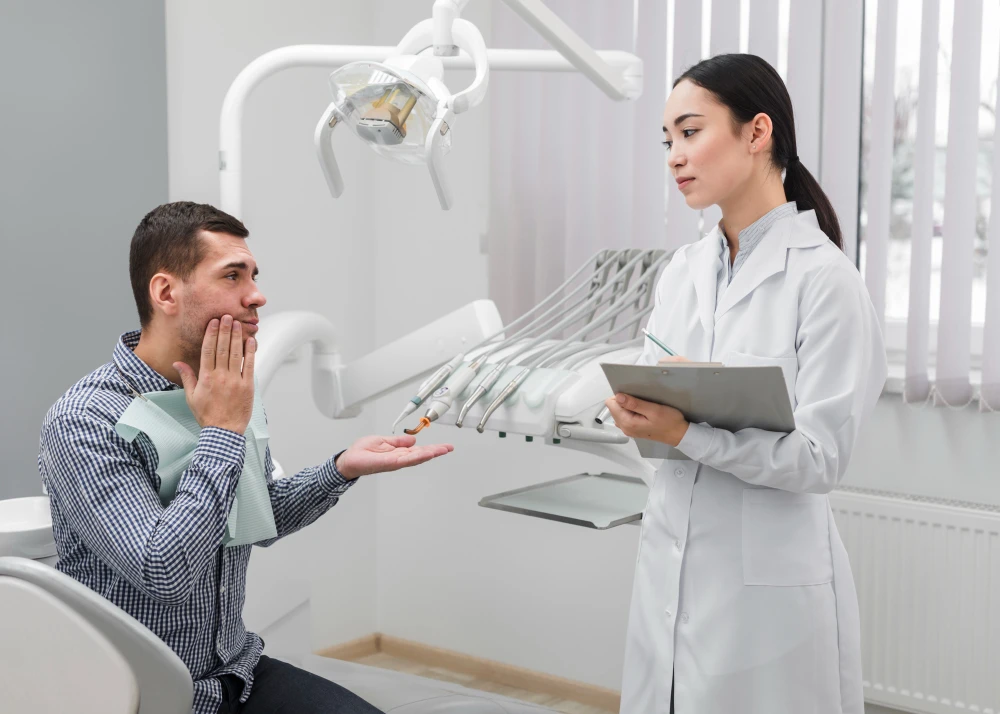
Many people wake up with a sore jaw, a dull headache, or sensitive teeth and simply assume they slept in an awkward position. What they may not realise is that these symptoms could be linked to teeth grinding, also known as bruxism.
Teeth grinding often happens while you are asleep, making it difficult to notice without help from a partner or a dentist. Over time, this habit can wear down your teeth, affect your bite, and even change the appearance of your smile.
The good news is that early diagnosis and treatment can prevent long term damage and help you maintain healthy teeth for years to come.
What Is Teeth Grinding?
Teeth grinding is the unconscious clenching or grinding of your teeth. It can occur during the day, but it is most common while sleeping. Since you are unaware of it, the condition may continue for months or even years before obvious symptoms appear.
Some people grind their teeth occasionally without causing harm. Others experience frequent grinding that gradually damages tooth enamel, dental restorations, and jaw muscles.
Why Do People Grind Their Teeth?
There is rarely a single cause. Instead, several factors may contribute to the condition.
Common causes include:
- Stress and anxiety
- Poor sleep quality
- Bite misalignment
- Missing or damaged teeth
- Certain medications
- Lifestyle habits such as excessive caffeine or alcohol before bed
- Sleep disorders like obstructive sleep apnoea
A dentist can assess your symptoms and determine whether teeth grinding is linked to your oral health or another underlying issue.
Signs You May Be Grinding Your Teeth at Night
Because bruxism usually happens while you sleep, recognising the signs is important.
Watch for symptoms such as:
- Morning headaches
- Jaw pain or stiffness
- Tooth sensitivity
- Flattened or worn teeth
- Chipped or cracked teeth
- Clicking or popping in the jaw
- Facial muscle soreness
- Poor sleep quality
Some people are first alerted when a partner hears grinding noises during the night.
How Teeth Grinding Affects Your Smile
Your teeth are designed to handle normal chewing forces, but repeated grinding places far greater pressure on them.
Over time, this can lead to:
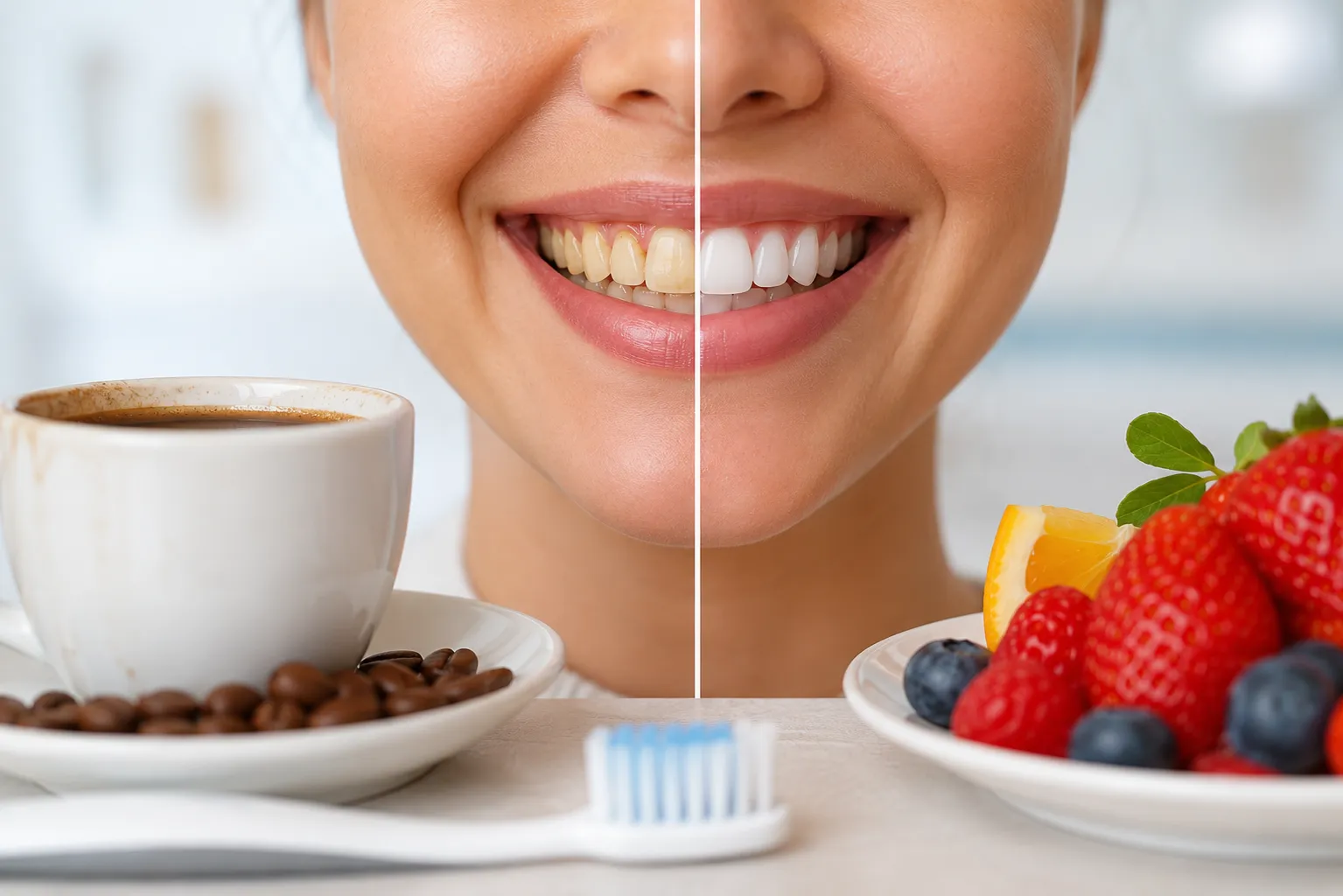
Worn Tooth Enamel
Enamel protects your teeth from decay and sensitivity. Once it wears away, it cannot naturally grow back. This leaves your teeth vulnerable to cavities and discomfort.
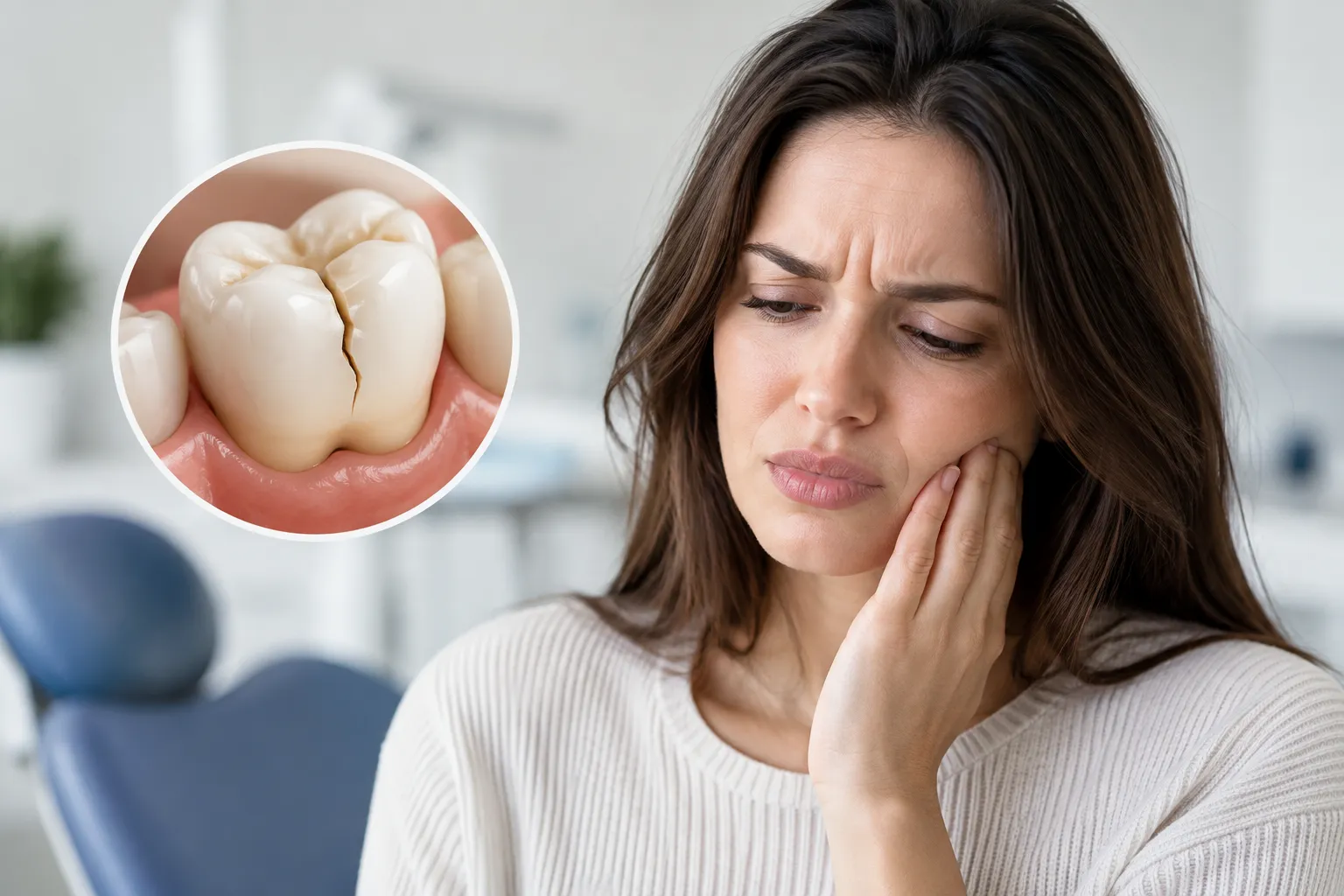
Cracked Teeth
Constant pressure can create small cracks that may eventually require fillings, crowns, or root canal treatment if left untreated.
Changes to Tooth Shape
Grinding gradually shortens and flattens teeth, affecting the appearance of your smile. In severe cases, the bite may also change.
Gum and Jaw Problems
The extra force placed on your jaw joints can contribute to discomfort, limited movement, and temporomandibular joint disorders.
Damage to Dental Work
Crowns, veneers, bridges, and fillings can become damaged or loosen due to repeated grinding.
Can Stress Really Affect Your Teeth?
Yes. Emotional stress is one of the most common triggers for teeth grinding.
Busy work schedules, financial pressures, and everyday responsibilities can increase muscle tension during sleep. While reducing stress may not completely eliminate bruxism, managing it can often reduce its severity.
Simple habits such as regular exercise, limiting screen time before bed, practising relaxation techniques, and maintaining a consistent sleep routine may help.
How Dentists Diagnose Teeth Grinding
A dental examination often provides valuable clues.
Your dentist may look for:
- Tooth wear patterns
- Cracked enamel
- Jaw tenderness
- Changes in your bite
- Damage to existing restorations
If sleep related issues are suspected, further assessment may also be recommended.
Early diagnosis allows treatment before significant damage develops.
Treatment Options
Treatment depends on the underlying cause and the amount of damage already present.
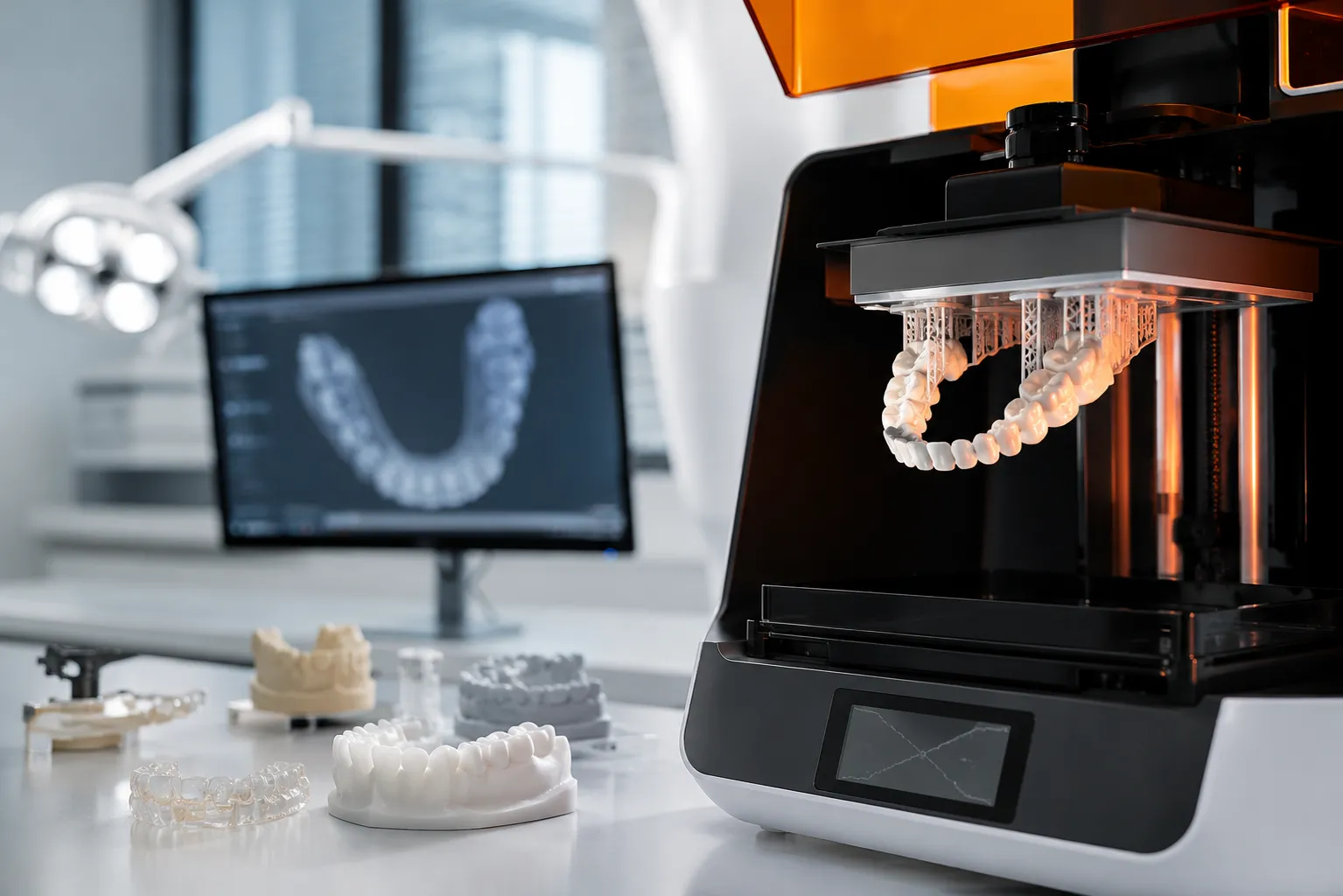
Custom Night Guards
A professionally made night guard creates a protective barrier between your upper and lower teeth. While it does not stop grinding completely, it significantly reduces damage.
Bite Adjustment
If your bite is contributing to excessive pressure, your dentist may recommend corrective treatment to improve alignment.
Orthodontic Treatment
In some cases, straightening the teeth can reduce uneven biting forces that contribute to grinding.
Restorative Dentistry
If teeth have already been damaged, treatments such as bonding, crowns, or veneers may restore both appearance and function.
Lifestyle Changes
Reducing caffeine late in the day, improving sleep habits, and managing stress may help minimise grinding episodes.
When Should You See a Dentist?
Do not wait until a tooth breaks or severe pain develops.
Arrange a dental check-up if you notice:
- Frequent morning headaches
- Persistent jaw discomfort
- Sensitive or worn teeth
- Chipped teeth without obvious injury
- Your partner hears you grinding during sleep
Prompt treatment is often simpler and more affordable than repairing advanced damage.
Protect Your Smile Before Damage Becomes Permanent
Teeth grinding is more than just an annoying habit. Left untreated, it can gradually wear away healthy teeth, damage dental restorations, and affect your comfort every day.
If you suspect you may be grinding your teeth while you sleep, a professional dental examination can identify the problem early and recommend the most suitable treatment. Protecting your smile today can help you avoid more complex dental procedures in the future while keeping your teeth strong, healthy, and comfortable.


























Sign in to leave a comment.