The dental industry in Australia is experiencing a significant shift as more clinics embrace digital technologies to improve patient care and operational efficiency. Among the most impactful advancements is in-house dental printing. Once considered a specialised solution reserved for large dental laboratories, 3D printing technology is now becoming a practical and valuable addition to everyday dental practices.
From creating surgical guides and dental models to producing aligners and temporary restorations, in-house dental printing is helping clinics streamline workflows while delivering a better patient experience. As demand for faster treatment and greater precision continues to rise, many Australian dental professionals are recognising the advantages of bringing production capabilities directly into their practices.
Why In-House Dental Printing Is Gaining Popularity
Traditional dental workflows often involve sending impressions or digital scans to external laboratories and waiting days or even weeks for completed appliances. While this process remains suitable for many cases, it can slow treatment timelines and increase costs.
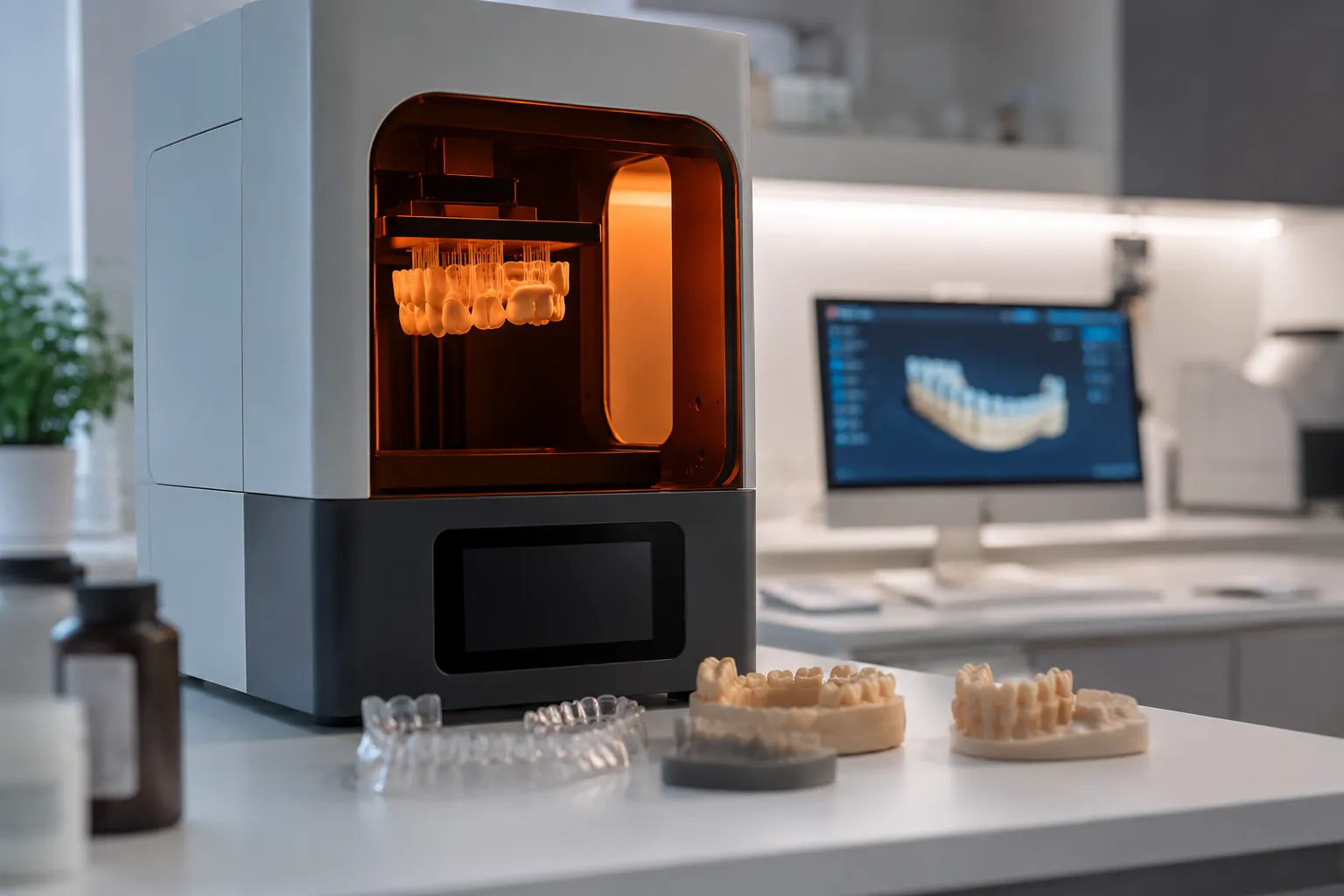
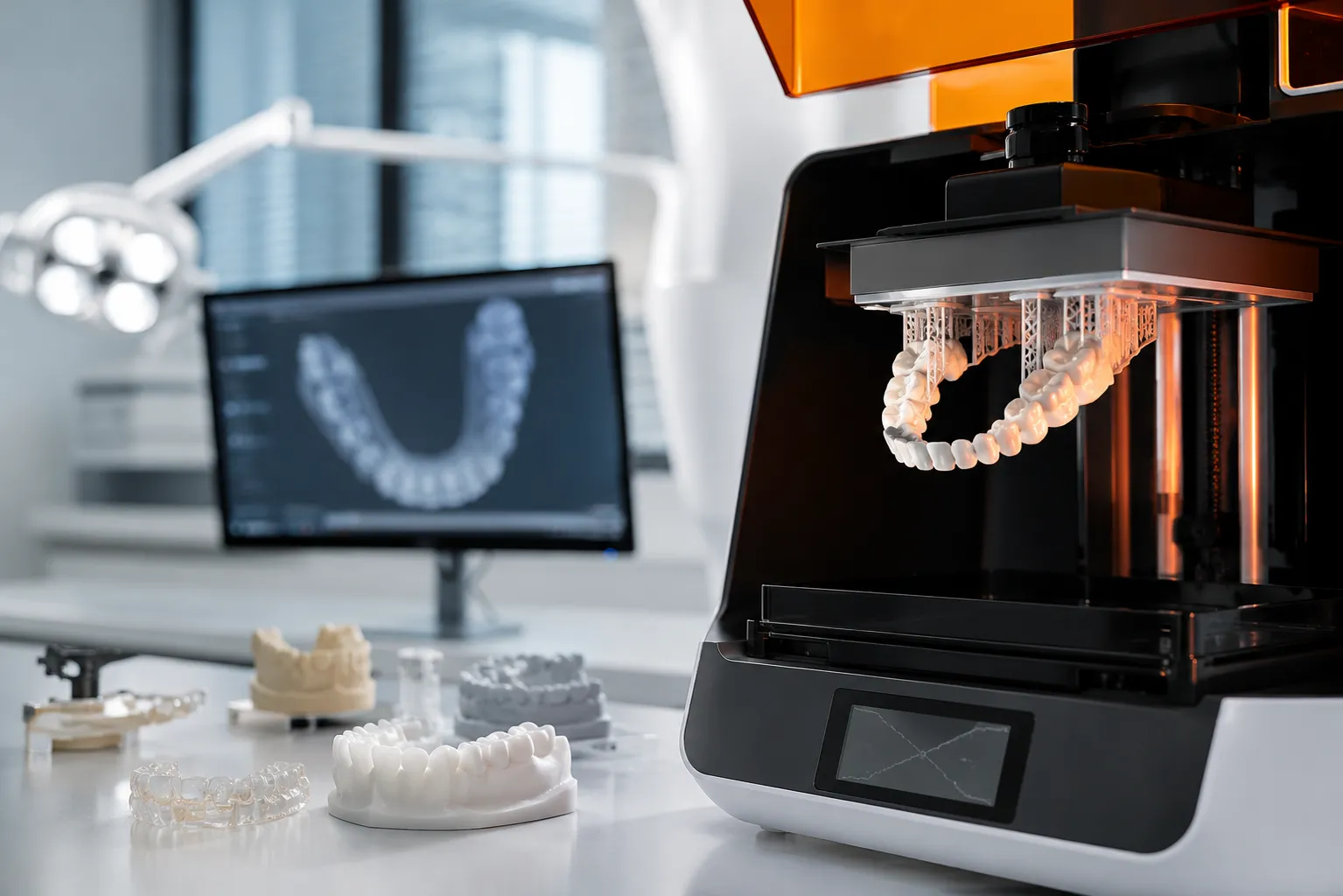
In-house dental printing offers a practical alternative. With modern digital scanners and advanced printers working together, clinics can produce a wide range of dental applications on-site. This reduces reliance on external providers and allows practitioners to maintain greater control over quality and turnaround times.
Patients increasingly expect convenience and efficiency. Clinics that can offer faster solutions often stand out in a competitive healthcare environment.
Faster Turnaround Times for Patients
One of the biggest reasons for the growing adoption of dental printing is speed. Patients appreciate shorter waiting periods, particularly when they require urgent treatment or multiple appointments.
By printing models, surgical guides, splints, and other dental devices internally, clinics can often complete processes in hours rather than days. This can significantly reduce treatment delays and improve scheduling flexibility.
For busy practices, quicker production also means increased productivity and the ability to accommodate more patients without compromising quality.
Improved Accuracy and Consistency
Digital dentistry is built around precision. In-house dental printing allows clinics to work directly from digital scans, minimising many of the variables associated with conventional impression methods.
Modern printing systems can produce highly detailed models with excellent repeatability. This level of accuracy supports better-fitting appliances and more predictable treatment outcomes.
Whether creating orthodontic models, implant guides, or restorative components, clinicians benefit from greater confidence in the final result.
Enhanced Patient Experience
Patients are becoming more familiar with digital healthcare technologies, and many appreciate seeing advanced equipment being used as part of their treatment journey.
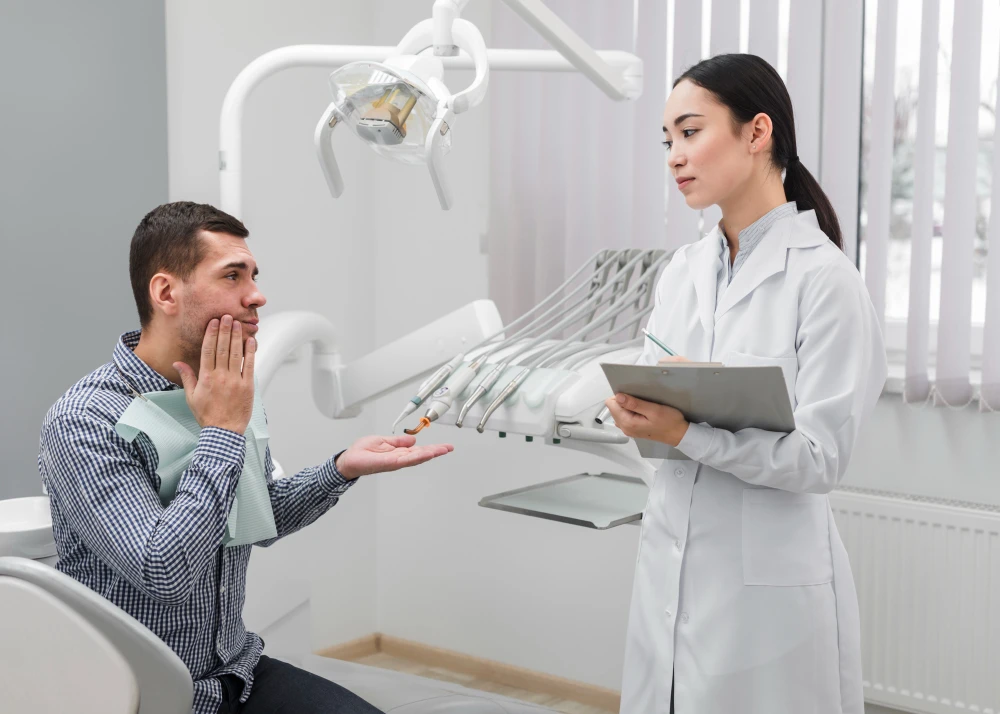
In-house dental printing allows clinics to demonstrate a modern approach to care. Patients can view digital scans of their teeth, understand treatment plans more clearly, and receive appliances more quickly than with traditional workflows.
The ability to reduce appointment numbers and shorten treatment timelines contributes to higher patient satisfaction. In many cases, patients view these efficiencies as a sign of a technologically advanced and patient-focused clinic.
Cost Efficiency Over Time
While investing in dental printing equipment requires upfront capital, many clinics find that the long-term benefits justify the expense.
Reducing laboratory outsourcing costs can generate substantial savings over time, particularly for practices with high case volumes. Clinics also gain greater flexibility when making adjustments or reprinting models without additional laboratory fees.
As printer technology becomes more accessible and materials continue to evolve, the return on investment for many practices is becoming increasingly attractive.
Expanding Clinical Applications
The range of applications for dental printing continues to grow each year. Modern systems can support:
- Dental study models
- Surgical implant guides
- Orthodontic aligner models
- Splints and night guards
- Temporary crowns and bridges
- Denture workflows
- Treatment planning models
This versatility allows clinics to maximise the value of their technology investment while expanding the services they can offer patients.
Supporting the Future of Digital Dentistry
Australia's dental sector is increasingly embracing digital workflows, and in-house printing plays a central role in that transformation. As scanning technology, software integration, and printing materials continue to improve, adoption rates are expected to rise further.
Many clinics exploring digital dentistry solutions are turning to advanced systems such as heygears dental printing technology to support accurate, efficient, and scalable workflows within their practices.
The combination of speed, precision, and flexibility makes dental printing an attractive option for clinics looking to stay competitive while enhancing patient care.
Conclusion
The growing demand for in-house dental printing reflects a broader shift towards smarter, more efficient dental care across Australia. Clinics are seeking ways to improve treatment delivery, reduce turnaround times, and provide a better overall patient experience.
As technology continues to evolve, in-house dental printing is becoming less of a future concept and more of a practical necessity for modern dental practices. Clinics that adopt these digital solutions today are positioning themselves to meet the expectations of tomorrow's patients while improving operational performance and clinical outcomes.



























Sign in to leave a comment.