


Many people who color, bleach, straighten, or chemically treat their hair eventually look for gentler alternatives to maintain hair health. Henna has been used for centuries as a natural coloring and conditioning ingredient, but an important question remains: Is henna powder safe for chemically treated or colored hair?
The answer is yes, in most cases, provided that you use pure henna and apply it correctly. However, the timing, quality of the henna, and the condition of your hair all influence the final results. Understanding how henna interacts with chemically processed hair can help you avoid unexpected color changes or uneven coverage.
This guide explains everything you need to know before applying henna to chemically treated or colored hair.
Understanding How Henna Works
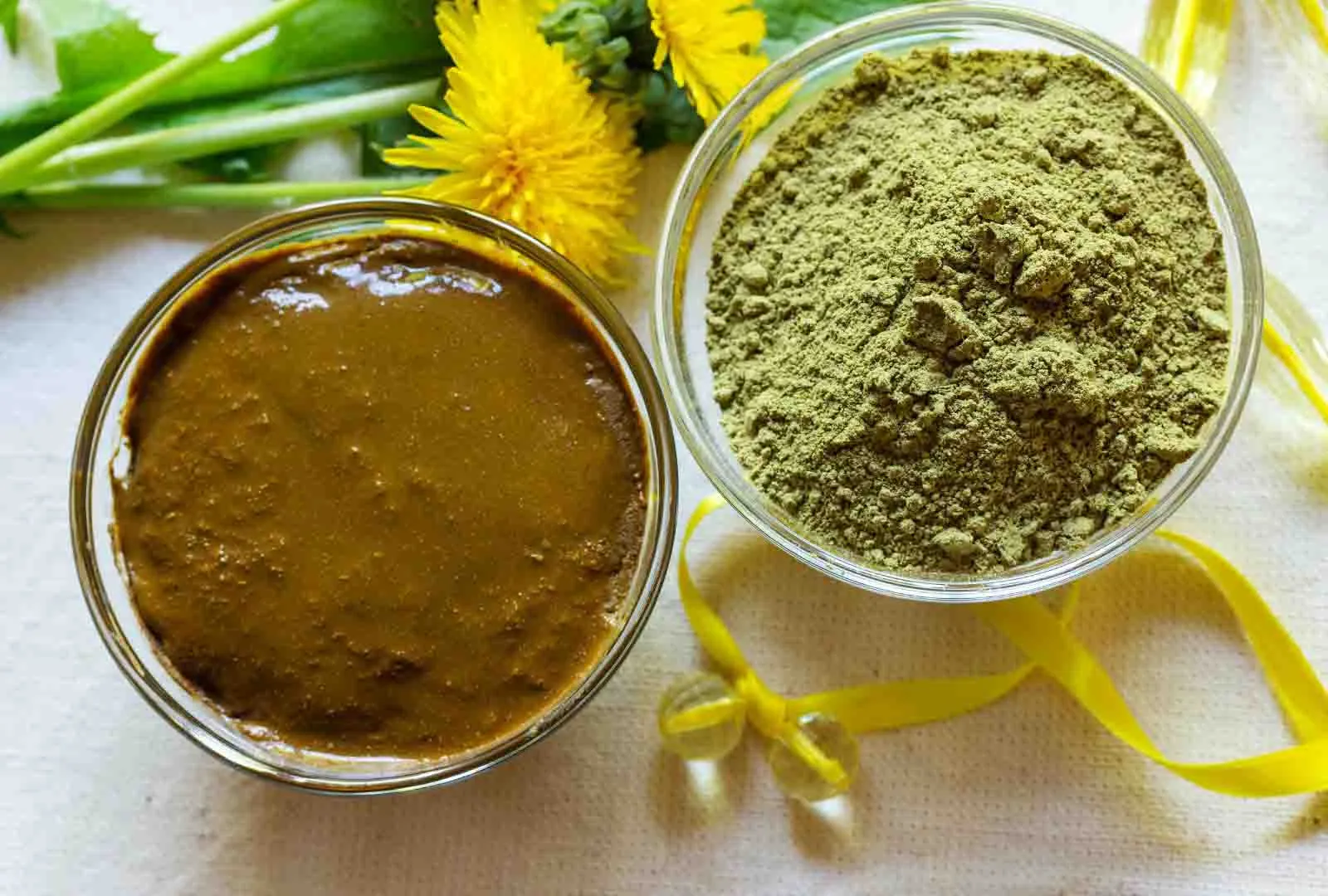
Henna comes from the dried leaves of the Lawsonia inermis plant. Unlike synthetic hair dyes that use ammonia or peroxide to penetrate the hair shaft, henna coats the hair with a natural pigment called lawsone. This pigment binds to the outer layer of the hair, creating a protective coating while adding a reddish or copper tone depending on your original hair color.
Because it strengthens the hair cuticle rather than breaking it open, pure henna is often considered less damaging than many permanent chemical hair dyes.
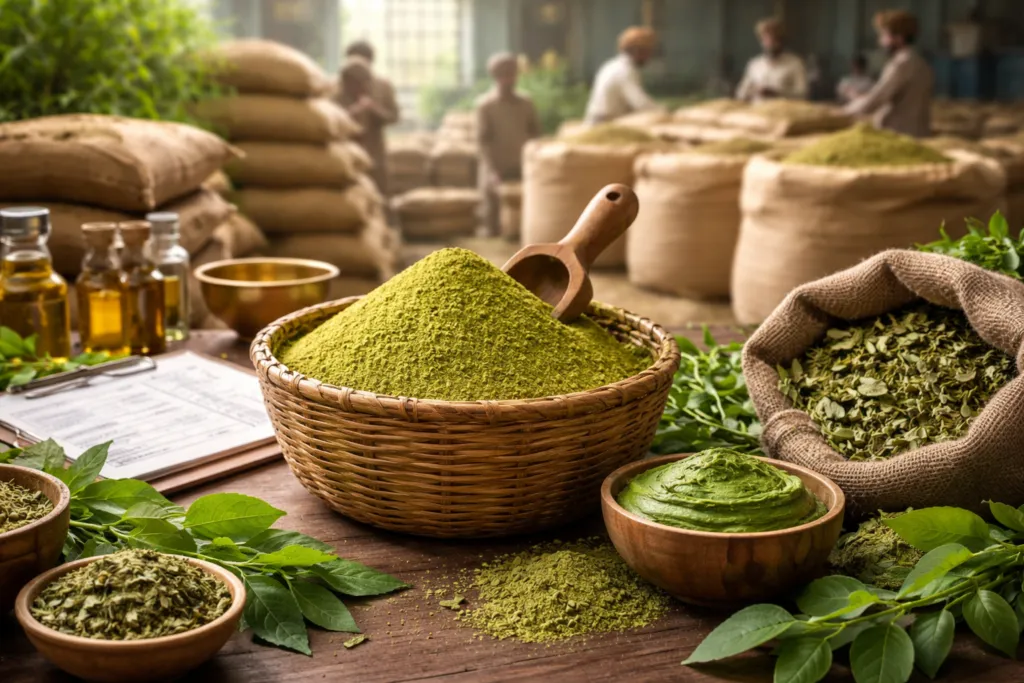
People searching for a reliable henna powder exporter should always ensure the product is made from finely sifted, pure henna leaves without artificial additives or metallic salts.
Is Pure Henna Compatible with Chemically Treated Hair?
Pure henna is generally safe to use on chemically treated hair. However, compatibility depends on the type of treatment your hair has undergone.
Hair that has been colored, highlighted, bleached, relaxed, or permed has already experienced structural changes. Although henna itself is gentle, these treatments may cause the final shade to vary from expectations.
For example:
- Bleached hair may develop brighter copper or orange tones.
- Dark-colored hair may show only subtle reddish highlights.
- Previously dyed hair can produce uneven results if the old color has faded inconsistently.
A strand test is always recommended before applying henna to the entire head.
Why Product Purity Matters
Not all products sold as henna are actually pure henna. Some commercial hair dyes labeled as "black henna" or "instant henna" contain chemical additives, metallic salts, or para-phenylenediamine (PPD). These ingredients can react unpredictably with chemically treated hair.
Pure henna should contain only finely ground henna leaves without additional coloring agents or preservatives.
Checking ingredient labels carefully is one of the easiest ways to reduce the risk of unwanted reactions.
Benefits of Using Henna on Colored Hair
When used correctly, henna offers several advantages for chemically treated hair.
Improves Hair Strength
Henna forms a protective layer around each hair strand, making it appear thicker and stronger. Many users notice reduced breakage after repeated applications.
Adds Natural Shine
The coating created by henna smooths the hair cuticle, allowing light to reflect more evenly. This often results in shinier-looking hair.
Supports a Healthy Scalp
Pure henna has natural cooling and cleansing properties that help maintain scalp hygiene by reducing excess oil and removing buildup.
Conditions Dry Hair
Hair that has undergone chemical treatments often becomes dry. Henna provides conditioning benefits that improve softness without relying on synthetic ingredients.
Many people choose products made with natural henna for hair because they prefer plant-based ingredients over repeated exposure to harsh chemical coloring agents.
Situations Where Extra Care Is Needed
Although pure henna is considered safe, certain situations require additional caution.
Recently Bleached Hair
Freshly bleached hair is highly porous. Applying henna immediately afterward may produce brighter orange tones than expected.
Waiting two to four weeks allows the hair to stabilize before using henna.
Hair Relaxing or Perming Treatments
Relaxers and perms significantly alter the hair structure. Applying henna immediately before or after these procedures may interfere with treatment results.
Consulting a qualified hairstylist is advisable when combining multiple chemical processes.
Damaged Hair
If the hair feels extremely brittle or breaks easily, restoring moisture before applying henna is often the better approach.
Henna strengthens hair but does not replace deep conditioning treatments.
Best Practices Before Applying Henna
Following a few simple steps can greatly improve the outcome.
Perform a Strand Test
Apply the prepared henna paste to a small hidden section of hair.
Wait for the color to fully develop before deciding whether to proceed with a full application.
Wait After Chemical Coloring
Allow enough time between chemical coloring and henna application.
Many professionals recommend waiting at least two weeks to minimize unpredictable color interactions.
Use Fresh Henna Paste
Freshly prepared henna generally provides more consistent dye release than old mixtures.
Following recommended preparation methods also helps achieve better coverage.
Keep Hair Clean
Wash your hair before application to remove oils, styling products, and residue that could affect color absorption.
Common Myths About Henna and Colored Hair
Myth 1: Henna Always Damages Colored Hair
Pure henna does not damage hair in the way bleaching agents or peroxide-based dyes can. In fact, many users experience improved hair texture after regular applications.
Myth 2: Henna Cannot Be Used on Dyed Hair
Henna can be used on dyed hair, but the final shade depends on the existing color underneath.
Testing beforehand provides a realistic expectation of the outcome.
Myth 3: All Henna Products Are the Same
Product quality varies significantly.
Pure henna contains only natural leaf powder, whereas low-quality products may include chemicals that increase the risk of unwanted reactions.
Can You Continue Coloring Hair After Henna?
Yes, but planning is important.
Since henna forms a protective coating around the hair shaft, later chemical coloring may behave differently than it would on untreated hair.
Professional hair colorists often recommend waiting several weeks before applying permanent color over henna-treated hair.
Again, a strand test remains the safest approach.
More Than Hair: Traditional Uses of Henna
Henna has long been valued beyond hair care. Across many cultures, it is also used to create decorative body art during weddings, festivals, and celebrations.
People interested in traditional applications often explore products made specifically as henna for body art, which are prepared differently from hair-grade formulations to produce smooth paste consistency and detailed designs.
Final Thoughts
Pure henna is generally considered safe for chemically treated or colored hair when used thoughtfully and with realistic expectations. Its natural ability to strengthen, condition, and add shine makes it an attractive option for individuals seeking a gentler approach to hair coloring.
Success depends on choosing high-quality, additive-free henna, performing a strand test, allowing adequate time after chemical treatments, and understanding that every head of hair responds differently. By following these best practices, users can enjoy the conditioning benefits of henna while minimizing the chances of unexpected color results.


























Sign in to leave a comment.