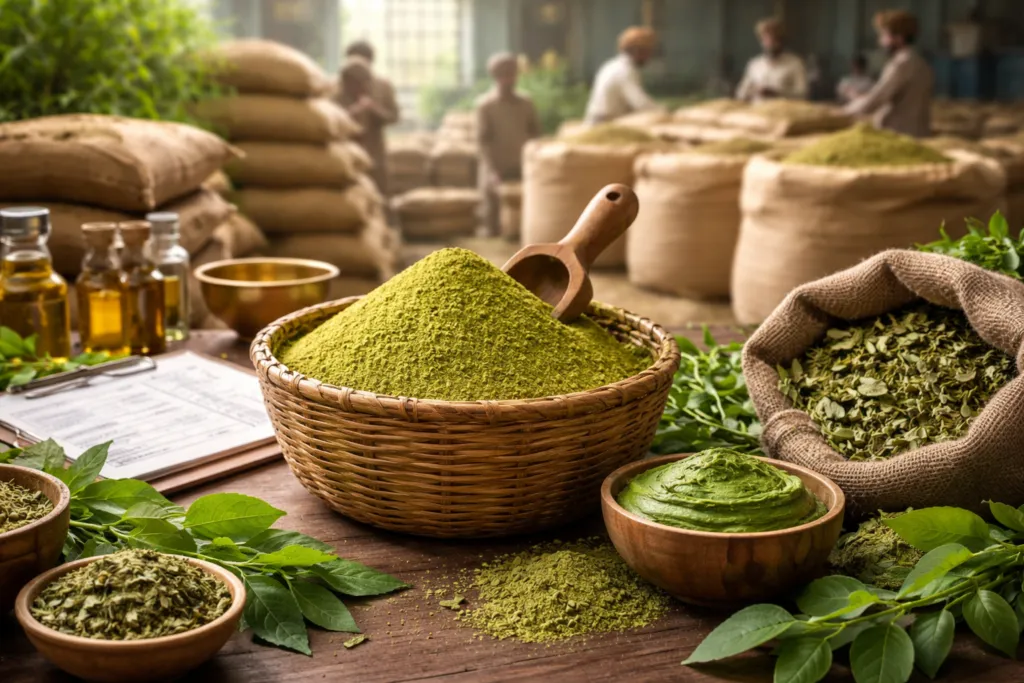

Henna powder has been used for centuries as a natural ingredient for hair care, scalp nourishment, and traditional body decoration. Today, as more people move toward plant-based beauty products, henna continues to gain popularity among consumers looking for natural alternatives to chemical hair dyes. However, one question often arises before making a purchase: what is the difference between organic henna powder and regular henna powder?
Although both types originate from the Lawsonia inermis plant, they differ in cultivation methods, processing standards, certifications, and intended applications. Understanding these differences helps consumers choose a product that suits their individual needs while ensuring better results and informed purchasing decisions.
This guide explains the characteristics of organic and regular henna powder, their benefits, common misconceptions, and the situations in which each option may be more suitable.
Understanding Henna Powder
Henna powder is prepared by harvesting mature henna leaves, drying them carefully, and grinding them into a fine powder. The leaves naturally contain a coloring molecule called lawsone, which binds with keratin in hair and skin to produce a long-lasting stain.
Depending on the quality of processing, freshness of the leaves, and storage conditions, the dye release and application experience can vary considerably. Regardless of whether the henna is organic or regular, purity plays a significant role in determining overall performance.
What Is Organic Henna Powder?
Organic henna powder comes from henna plants cultivated using certified organic farming methods. During cultivation, farmers avoid synthetic fertilizers, chemical pesticides, and genetically modified inputs. Instead, they rely on natural agricultural practices that promote soil health and environmental sustainability.
After harvesting, the leaves are processed carefully to preserve their natural properties while maintaining quality standards required for organic certification.
Many consumers choose organic henna because they prefer products produced with environmentally conscious farming methods.
What Is Regular Henna Powder?
Regular henna powder is also produced from the same henna plant but may be grown using conventional agricultural practices. Farmers may use approved fertilizers or crop protection methods that are commonly accepted in standard farming.
This does not necessarily mean the powder is of lower quality. Many regular henna powders are highly pure, finely sifted, and suitable for natural hair coloring when processed under proper quality control conditions.
The main distinction lies in cultivation practices rather than the plant itself.
Key Differences Between Organic and Regular Henna Powder
Farming Practices
Organic henna is cultivated without synthetic chemicals and follows certified farming guidelines.
Regular henna may be grown using conventional agricultural methods depending on local farming practices.
Certification
Organic products are generally accompanied by recognized certifications that verify compliance with organic production standards.
Regular henna may not carry organic certification even if it remains naturally processed.
Environmental Impact
Organic farming often emphasizes:
- Soil conservation
- Biodiversity
- Sustainable farming practices
- Reduced chemical usage
Conventional farming may prioritize higher agricultural efficiency depending on regional cultivation methods.
Cost
Organic cultivation usually requires additional certification, inspections, and specialized farming practices. These factors often make organic henna slightly more expensive than regular alternatives.
Similarities Between Both Types
Despite their differences, both organic and regular henna share several characteristics.
When processed correctly, both can provide:
- Natural hair coloring
- Improved hair appearance
- Better hair shine
- Temporary scalp conditioning
- Plant-based coloring without ammonia
The quality of grinding, freshness, and purity often influence the final results more than whether the henna is organic or conventionally grown.
Which One Is Better for Hair?
There is no universal answer because the best choice depends on individual priorities.
People who value certified organic farming practices often choose natural henna products for hair care because they appreciate ingredients produced using environmentally responsible cultivation methods.
Others may prefer high-quality regular henna that delivers reliable coloring performance while meeting their personal budget.
In both cases, selecting pure henna without unnecessary additives remains one of the most important considerations.
How to Identify High-Quality Henna Powder
Whether purchasing organic or regular henna, several indicators suggest good quality.
Look for products that have:
- Fine, smooth texture
- Fresh green color
- Natural earthy aroma
- Clear ingredient information
- Proper packaging
- Moisture protection
Freshly processed henna generally provides better dye release and smoother application than older products stored under poor conditions.
Common Misconceptions About Organic Henna
One common misunderstanding is that organic henna always produces darker or stronger color.
In reality, the final shade depends on several factors, including:
- Original hair color
- Hair condition
- Dye release time
- Application method
- Processing duration
Organic certification relates primarily to cultivation practices rather than color intensity.
Another misconception is that regular henna always contains chemicals. Pure regular henna may consist solely of finely ground henna leaves without added synthetic ingredients.

























Sign in to leave a comment.