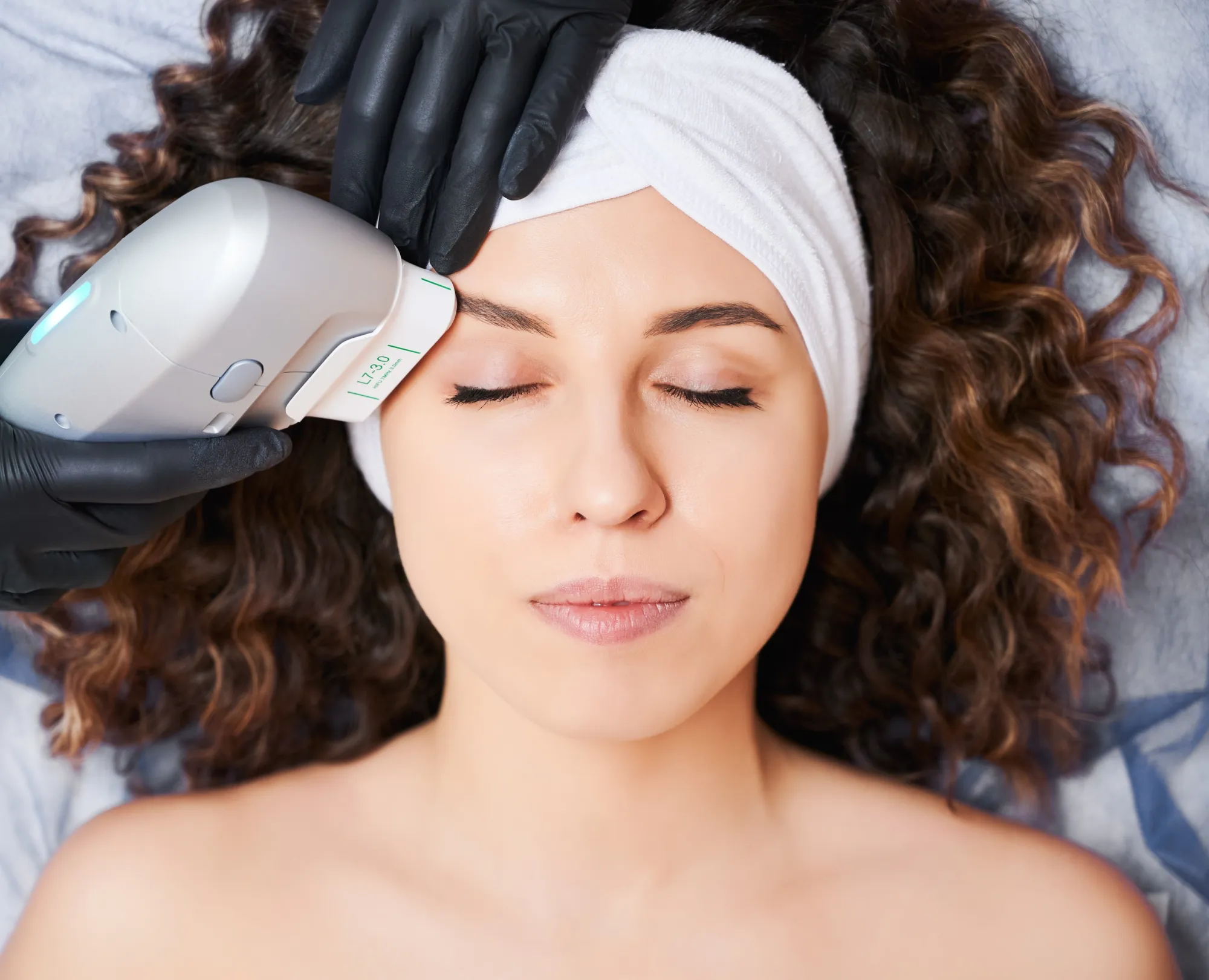

Surgical and non-surgical cosmetic treatments differ in the way they alter the body, the recovery they require and the type of results they can reasonably provide. Cosmetic surgery involves an invasive operation, while non-surgical procedures generally use injections, specialised devices or controlled skin treatments without surgical incisions.
People comparing non-surgical cosmetic treatment options should still approach them as healthcare procedures rather than ordinary beauty services. A consultation should assess the person’s health, concerns and expectations before a treatment is recommended.
Neither approach is automatically better. The appropriate choice depends on the change being considered, clinical suitability, potential risks, expected recovery and whether the person is comfortable with temporary results or ongoing maintenance.
What Is Considered Cosmetic Surgery?
Cosmetic surgery uses an invasive surgical procedure to change the appearance, structure or position of a normal bodily feature. It often involves cutting beneath the skin and may include removing, reshaping or repositioning tissue.
Examples can include facelifts, eyelid surgery, rhinoplasty, breast surgery, liposuction and abdominoplasty. These procedures can create structural changes that non-surgical treatments are not designed to achieve.
Cosmetic surgery may involve general anaesthesia, sedation or local anaesthesia, depending on the procedure. It also requires an appropriate surgical setting, wound care and planned follow-up.
The National Safety and Quality Cosmetic Surgery Standards apply to services where cosmetic surgery is performed. The standards cover areas including clinical governance, infection prevention, medication safety, comprehensive care, communication and recognising patient deterioration. They do not apply to non-surgical procedures such as cosmetic injections.
Patients seeking cosmetic surgery in Australia must obtain a referral from a GP or another medical specialist. Current Medical Board guidance also requires at least two consultations and a minimum seven-day cooling-off period after informed consent before cosmetic surgery proceeds.
These requirements reflect the more invasive nature of surgery and give patients time to consider the procedure, its risks and available alternatives.
How Are Non-Surgical Cosmetic Treatments Different?
Non-surgical cosmetic procedures aim to alter or improve appearance without an operation involving surgical incisions.
Depending on the concern being assessed, procedures may include cosmetic injections, laser or light-based treatments, radiofrequency procedures, microneedling and other forms of skin rejuvenation.
Different treatments have different purposes. Some may temporarily affect targeted facial muscles or restore volume, while others use controlled energy or skin stimulation to address concerns such as texture, pigmentation, scarring or mild skin laxity.
The term “non-surgical” describes the method used. It does not mean that the procedure is minor, suitable for everyone or free from complications.
New Ahpra guidelines for registered practitioners performing non-surgical cosmetic procedures came into effect in September 2025. They reinforce expectations around practitioner competence, patient assessment, informed consent, aftercare and the management of complications.
The practitioner should assess whether the procedure is appropriate for the person rather than simply providing the treatment requested.
The Available Results Are Different
Cosmetic surgery and non-surgical procedures are not interchangeable.
Surgery may be considered when the aim is to remove excess tissue, substantially reshape a feature or reposition underlying structures. A non-surgical treatment cannot reproduce every change that can be achieved through an operation.
Non-surgical cosmetic treatments generally address more specific or limited concerns. They may provide gradual or temporary changes without the preparation and recovery associated with surgery.
A person should be cautious when a non-surgical treatment is presented as providing the same result as an operation. The practitioner should explain what the procedure can reasonably achieve, where its limitations lie and whether surgery would be required to meet the person’s expectations.
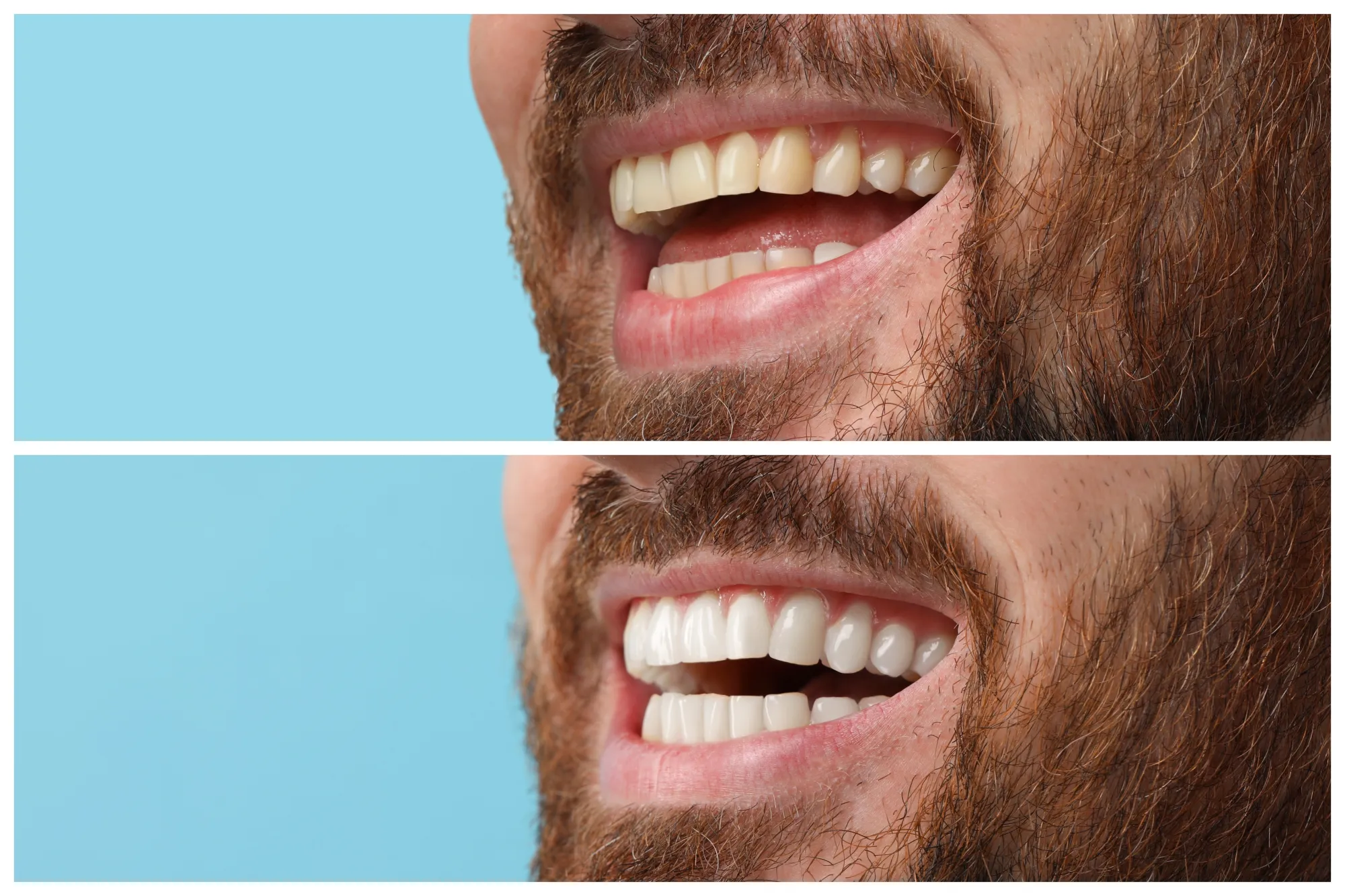
Before-and-after images may help demonstrate previous outcomes, but they do not guarantee that another person will receive the same result. Anatomy, skin condition, age, medical history and biological response can all influence treatment outcomes.
Recovery Requirements Can Vary Considerably
Recovery is one of the most noticeable differences between the two approaches.
Many non-surgical procedures allow people to return to normal activities relatively quickly. Temporary swelling, tenderness, redness or bruising may still occur. More intensive laser, resurfacing or energy-based procedures can involve a longer healing period than lighter skin treatments.
Cosmetic surgery usually requires more preparation and recovery. Depending on the operation, this can involve wound care, dressings, activity restrictions, time away from work and several follow-up appointments.
Swelling and bruising may take weeks to settle, while the final result may not be clear for several months. Surgical scars may also continue changing as they mature.
Before proceeding with either approach, patients should ask:
- What symptoms are expected after treatment?
- How much time may be needed away from work?
- When can exercise and normal activities resume?
- What aftercare will be required?
- Which symptoms require urgent medical attention?
Recovery advice should be specific to the individual procedure rather than based on general claims that a treatment has little or no downtime.
Results May Be Temporary or Long-Lasting
Many non-surgical cosmetic procedures produce temporary changes. Maintenance may be needed because the effects gradually reduce or because natural ageing and environmental exposure continue.
The recommended maintenance schedule will depend on the procedure, the area treated and the person’s response. Treatments intended to stimulate changes within the skin may also develop gradually rather than producing an immediate final result.
Surgical changes are generally longer-lasting because tissue has been removed or repositioned. However, cosmetic surgery does not stop ageing. Skin, fat, muscles and other tissues will continue to change over time.
Long-lasting should not be confused with permanent. Weight changes, pregnancy, sun exposure, general health and ageing may all influence the appearance of a surgical result.
A consultation should provide realistic information about when results may appear, how long they may reasonably last and whether future maintenance or additional procedures could be considered.
Both Approaches Carry Risks
Every cosmetic procedure involves potential risks. The type and seriousness of those risks depend on the procedure, the treatment area, the person’s health, practitioner experience and clinical setting.
Possible surgical complications can include infection, bleeding, scarring, wound-healing problems, asymmetry, anaesthetic complications and dissatisfaction with the outcome.
Non-surgical procedures have different risks. Depending on the treatment, complications can include bruising, swelling, burns, infection, pigment changes, scarring, nerve injury or unintended damage to surrounding tissue.
Cosmetic injections are medical procedures. The Therapeutic Goods Administration warns that incorrect product use or injection technique can cause serious harm, including skin damage, blindness and, in rare circumstances, death.
Patients should ask how complications are recognised and managed, including who will provide assistance if a problem develops after leaving the clinic.
A Proper Assessment Should Come Before Treatment
An appropriate cosmetic consultation should begin with the person rather than a preferred product, device or package.
The practitioner may need to discuss:
- The concern the person wants to address
- Relevant medical conditions and medications
- Previous cosmetic treatments or surgery
- Allergies and skin conditions
- Expected benefits and limitations
- Alternative options, including no treatment
- Possible risks and complications
- Recovery and maintenance requirements
Informed consent requires more than signing a form immediately before the procedure. The person needs understandable information and enough opportunity to ask questions before deciding.
Patients should not feel pressured to proceed during the first consultation, accept a limited-time offer or add treatments they had not previously considered.
Check the Practitioner and Clinical Setting
The person performing the procedure should have appropriate qualifications, training and experience for that specific treatment.
Patients can check whether a practitioner is registered through Ahpra and ask how frequently they perform the proposed procedure. They should also confirm who is prescribing and administering any prescription medicine involved.
For surgery, ask where the operation will take place, what accreditation or licensing applies and who will provide the anaesthesia.
For non-surgical procedures, consider whether the clinic has appropriate infection-control processes, emergency equipment, follow-up arrangements and protocols for managing complications.
The TGA also recommends confirming that cosmetic injection products are legally supplied and included on the Australian Register of Therapeutic Goods where required.
Making an Informed Choice
The main distinction between surgical and non-surgical cosmetic treatments is not simply the presence or absence of an incision. The two approaches differ in their intended outcomes, risks, recovery requirements and likely duration.
Surgery can provide substantial structural changes but involves an operation and a more involved recovery. Non-surgical procedures may suit people seeking a more limited change without surgery, provided they understand that results may be temporary and complications remain possible.
The right option can only be identified after an individual assessment. Patients should receive a clear explanation of what the treatment can achieve, its limitations, the potential risks and what will happen if complications occur.
Taking time to verify the practitioner, consider alternatives and develop realistic expectations supports a safer and more informed cosmetic treatment decision.





























Sign in to leave a comment.