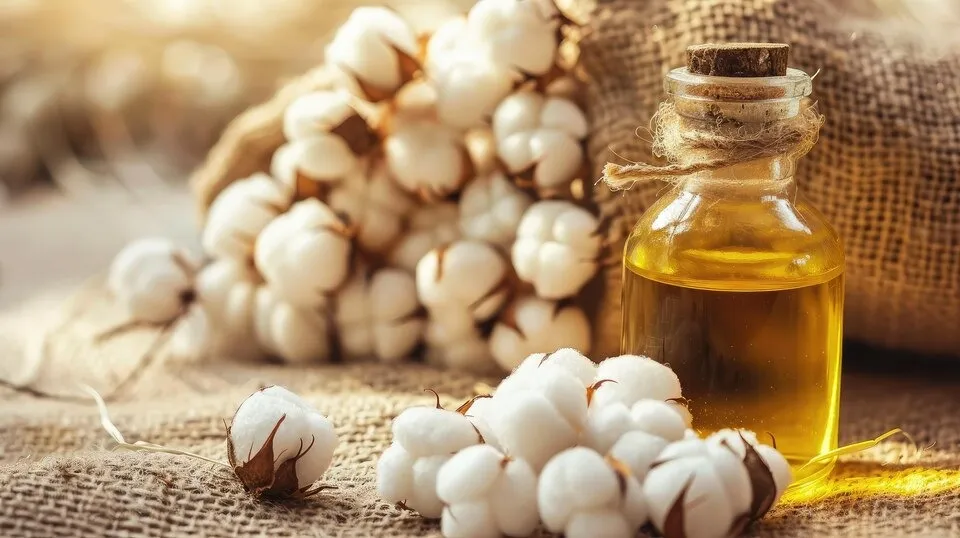

Cottonseed oil is one of the most widely used edible oils in homes and the food industry. It is known for its light taste, high smoke point, and versatility in cooking. Extracted from the seeds of cotton plants, this oil has become a popular choice for frying, baking, and food processing because it offers a balanced combination of taste, stability, and nutrition.
Many people know cotton as a source of fabric, but few realize that its seeds are also valuable for producing high-quality cooking oil. Thanks to modern refining methods, cottonseed oil is safe, clean, and suitable for everyday cooking.
In this blog, we will explore everything you need to know about cottonseed oil, including how it is made, its nutritional value, health benefits, uses, and tips for choosing the best quality oil.

What is Cottonseed Oil?
Cottonseed oil is a vegetable oil extracted from the seeds of cotton plants. After cotton fibers are harvested, the seeds are collected, cleaned, and processed to produce edible oil. Since raw cotton seeds contain natural compounds that are not suitable for consumption, the oil goes through a refining process that removes impurities and makes it safe for cooking.
Today, cottonseed oil is widely used in households, restaurants, food manufacturing, and commercial kitchens because of its excellent cooking performance.
How is Cottonseed Oil Made?
The production of cottonseed oil involves several important steps to ensure quality and safety.
1. Seed Cleaning
The harvested cotton seeds are cleaned to remove dust, leaves, and other impurities.
2. Removing the Hull
The outer shell of the seed is removed, leaving the oil-rich kernel.
3. Oil Extraction
The oil is extracted using mechanical pressing or solvent extraction methods.
4. Refining
The extracted oil undergoes refining to remove unwanted substances, improve color, eliminate odor, and enhance shelf life.
The final product is a clear, light-colored cooking oil that is ready for consumption.
Nutritional Value of Cottonseed Oil
Cottonseed oil contains several nutrients that support a balanced diet. It provides:
- Healthy unsaturated fats
- Vitamin E
- Omega-6 fatty acids
- Natural antioxidants
- Small amounts of saturated fats
Like all cooking oils, cottonseed oil should be consumed in moderation as part of a healthy lifestyle.
Health Benefits of Cottonseed Oil
Rich Source of Vitamin E
Cottonseed oil contains Vitamin E, which acts as an antioxidant. It helps protect cells from damage caused by free radicals and supports healthy skin and immune function.
Contains Healthy Fats
The oil contains a good balance of monounsaturated and polyunsaturated fats. These healthy fats can be part of a heart-friendly diet when consumed in recommended amounts.
Supports Heart Health
Replacing foods high in saturated fat with unsaturated fats may help maintain healthy cholesterol levels, making cottonseed oil a suitable cooking option.
High Smoke Point
Cottonseed oil has a high smoke point, making it ideal for high-temperature cooking methods such as frying, roasting, and sautéing.
Naturally Mild Taste
Its neutral flavor allows the natural taste of ingredients to stand out without overpowering the dish.
Uses of Cottonseed Oil
Cottonseed oil is used in many different ways because of its versatility.
Deep Frying
The high smoke point makes it an excellent oil for deep-fried foods like:
- French fries
- Fried chicken
- Pakoras
- Samosas
- Fish
- Snacks
Everyday Cooking
It can be used for:
- Stir-frying
- Sautéing
- Cooking vegetables
- Making curries
- Preparing rice dishes
Baking
Cottonseed oil is commonly used in baking because it provides moisture without changing the flavor of cakes, muffins, and cookies.
Salad Dressings
Its light taste makes it suitable for homemade dressings and marinades.
Food Manufacturing
Many food manufacturers use cottonseed oil in:
- Processed foods
- Snack products
- Sauces
- Mayonnaise
- Margarine
- Ready-to-eat meals
Tips for Choosing High-Quality Cottonseed Oil
When buying cottonseed oil, consider these factors:
- Choose refined edible cottonseed oil.
- Buy from trusted manufacturers.
- Check the manufacturing and expiry dates.
- Ensure the packaging is properly sealed.
- Store the oil in a cool and dry place.
High-quality oil not only improves taste but also ensures better safety and freshness.
Storage Tips
Proper storage helps maintain the quality of cottonseed oil.
- Keep the bottle tightly closed.
- Store away from direct sunlight.
- Avoid exposure to excessive heat.
- Do not mix old oil with fresh oil.
- Use clean and dry utensils while handling the oil.
These simple practices help preserve the oil's freshness and extend its shelf life.
Is Cottonseed Oil Suitable for Everyday Cooking?
Yes, refined cottonseed oil can be used for daily cooking when consumed as part of a balanced diet. It works well for a variety of recipes, including frying, roasting, baking, and sautéing. Like any edible oil, it is best to use it in moderation and combine it with a healthy eating pattern rich in fruits, vegetables, whole grains, and lean proteins.
Conclusion
Cottonseed oil is a versatile and reliable cooking oil that combines performance with nutritional value. Its high smoke point, light flavor, and cooking stability make it suitable for everything from everyday meals to commercial food preparation. Whether you are frying, baking, roasting, or sautéing, refined cottonseed oil delivers consistent results while preserving the natural taste of your dishes.


























Sign in to leave a comment.