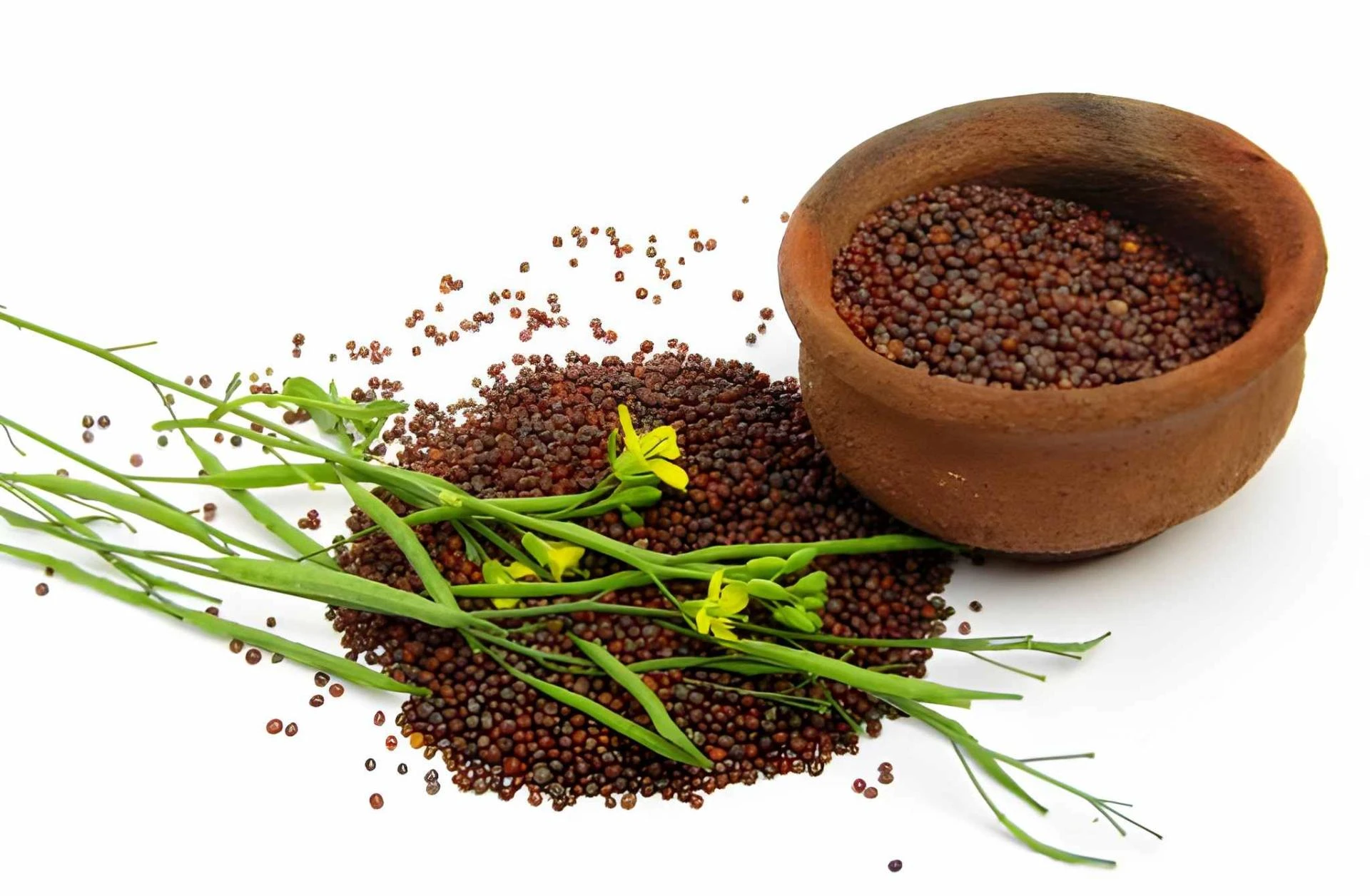

Mustard oil has been a staple cooking oil in Eastern India for centuries, especially in states like West Bengal, Assam, Odisha, and Bihar. Its sharp aroma, bold flavor, and traditional health associations make it an essential ingredient in regional cuisines.
However, while mustard oil is deeply rooted in Indian kitchens, it is rarely used in Western countries. In some places it is even sold with a label stating “for external use only.” This difference often raises an interesting question: why is mustard oil loved in Eastern India but uncommon in the West?
Let’s explore the cultural, regulatory, and culinary reasons behind this contrast.
1. Deep Cultural Roots in Eastern Indian Cuisine
In Eastern India, mustard oil is more than just a cooking ingredient—it is a cultural identity.
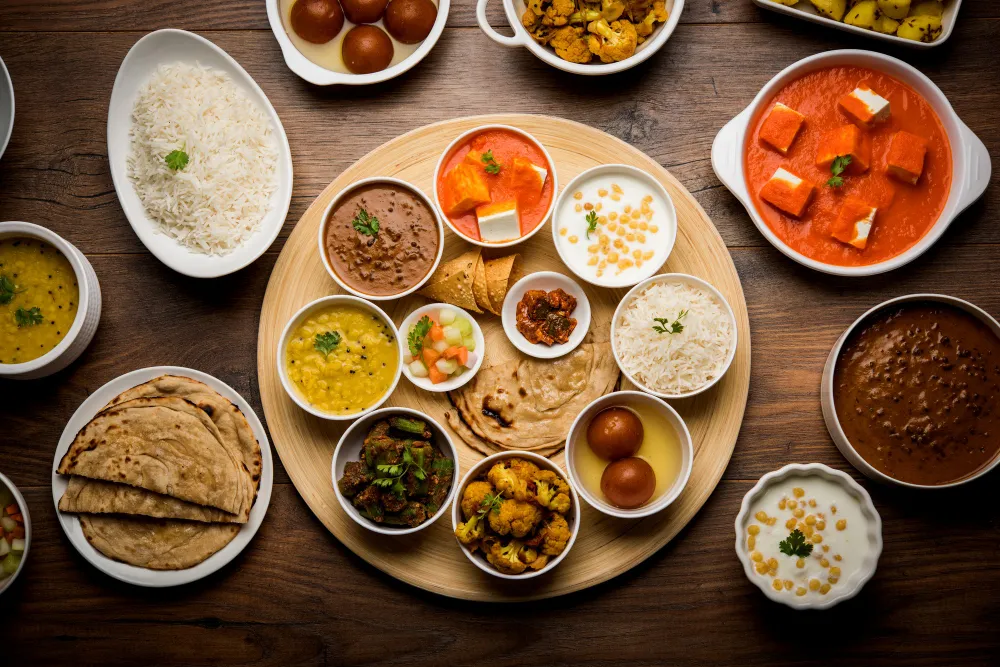
Traditional dishes rely heavily on its strong flavor and aroma. For example:
- Bengali fish curries like shorshe maach
- Pickles and chutneys
- Vegetable stir-fries
- Puffed rice snacks with mustard oil drizzle
The oil’s pungent, spicy taste enhances the flavor of seafood, vegetables, and lentils in ways that milder oils cannot replicate. Because of this, many families believe food cooked without mustard oil lacks authenticity.
Generations have grown up with this flavor, making it an irreplaceable part of regional cuisine.
2. The Popularity of “Kachi Ghani” Mustard Oil
Eastern India also prefers cold-pressed mustard oil, commonly known as kachi ghani.
This traditional extraction method:
- Uses low heat
- Preserves natural nutrients
- Retains the strong aroma and taste
Because it is minimally processed, people often associate it with purity and traditional wellness practices. Many households use it not only for cooking but also for:
- Body massage
- Hair care
- Home remedies during winter
This multi-purpose use keeps mustard oil deeply integrated into daily life.
3. Western Concerns About Erucic Acid
One of the main reasons mustard oil is less common in Western countries is regulatory restrictions.
Mustard oil contains a compound called erucic acid, which in high concentrations was historically believed to pose health risks when consumed in large amounts. Because of this:
- Some countries restricted edible mustard oil imports.
- Certain bottles are labeled “for external use only.”
Instead, Western markets prefer oils with very low erucic acid levels, such as canola oil (which is derived from rapeseed but specially bred to reduce this compound).
However, in India and several Asian countries, mustard oil has been consumed safely for generations, and modern research continues to explore its health effects in balanced diets.
4. Differences in Culinary Preferences
Another reason is simply taste preference.
Mustard oil has a very strong, pungent flavor that can dominate dishes. Western cooking styles typically favor oils with neutral or mild flavors, such as:
- Olive oil
- Sunflower oil
- Canola oil
- Vegetable oil
Because of this, mustard oil’s intensity may feel unfamiliar to people who did not grow up using it.
In contrast, Eastern Indian cuisine is designed around bold flavors like mustard, turmeric, and chili, making the oil a perfect fit.
5. Growing Global Curiosity
Although mustard oil is still rare in Western kitchens, interest in traditional and regional cooking oils is increasing worldwide.
Food enthusiasts, chefs, and health-conscious consumers are exploring:
- Authentic Bengali recipes
- Cold-pressed oils
- Traditional cooking techniques
As global cuisines become more popular, mustard oil is slowly gaining attention for its unique taste and heritage value.
Conclusion
Mustard oil remains popular in Eastern India because of its deep cultural roots, distinctive flavor, and traditional uses. At the same time, regulatory concerns and different culinary preferences have limited its popularity in the West.
Despite this divide, mustard oil continues to hold an important place in Indian kitchens—and as global food cultures blend, it may gradually find a broader audience around the world.


























Sign in to leave a comment.