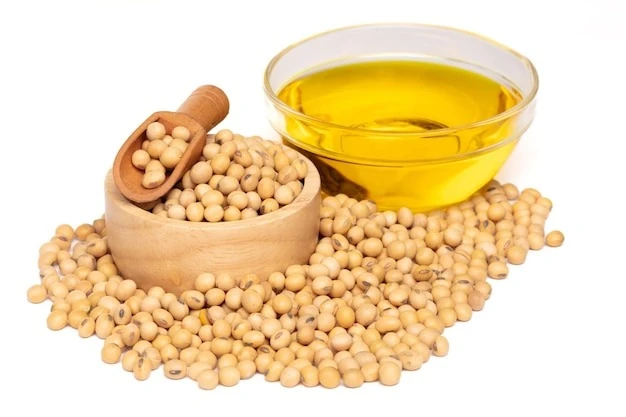

Indian cooking is deeply influenced by tradition, geography, and everyday practicality. From simple home-style meals to elaborate festive preparations, oils form the base that allows ingredients to come together harmoniously. They help distribute heat evenly, bring out the aroma of spices, and support a wide range of cooking methods. Over generations, Indian households have relied on plant-derived oils as a quiet but essential part of daily meals.
With changing lifestyles and evolving food habits, vegetable-based oils have maintained their place in kitchens across the country. Their ability to adapt to both traditional recipes and modern cooking styles makes them a dependable choice for everyday use, regardless of regional or cultural differences.
Understanding Vegetable-Based Oils in Indian Households
In many households, soyabean oil is used for routine cooking because its mild character allows it to blend smoothly with spices and ingredients without dominating the dish. Alongside other edible oils, it fits naturally into daily cooking practices where balance and familiarity are valued.
Historically, families depended on locally sourced oils, often processed through traditional methods. As distribution networks expanded, access to a wider variety of vegetable oils increased, giving households more flexibility while still maintaining consistency in taste and cooking performance.
Everyday Cooking Practices and Oil Usage
Indian cuisine involves multiple cooking techniques that rely on oil at different stages of preparation. Tempering spices, sautéing vegetables, shallow frying snacks, and slow-cooking gravies all depend on cooking oil to function effectively. Vegetable oils are commonly chosen because they perform reliably across varying heat levels.
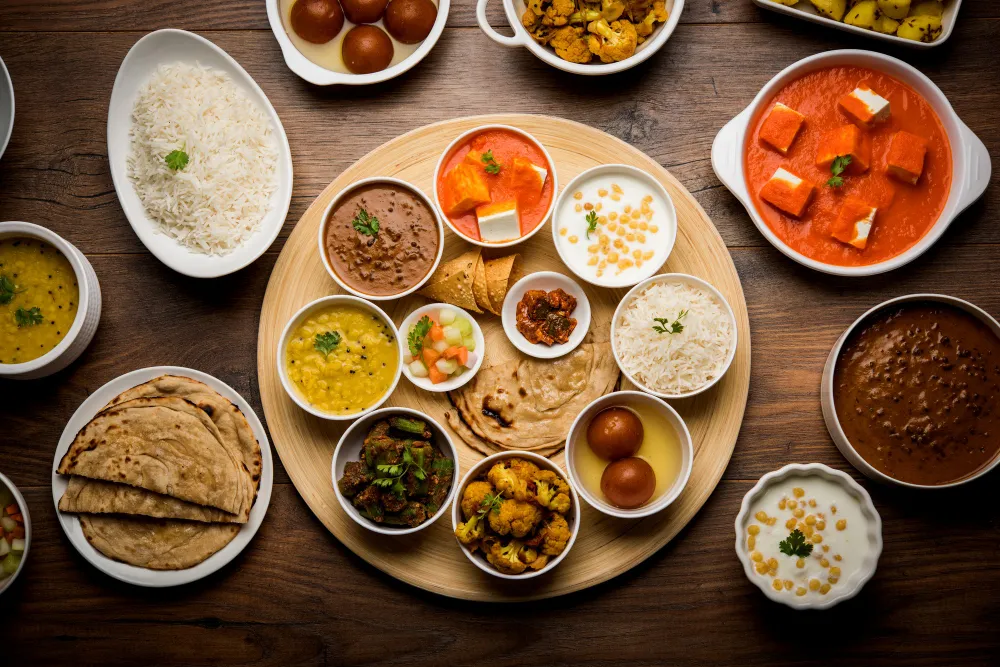
For everyday meals such as lentils, vegetable curries, and rice-based dishes, oil is typically used in modest amounts. This helps enhance flavor and aroma without making food feel heavy. In contrast, special dishes and snacks may require more oil to achieve the desired texture and appearance.
Regional Preferences and Culinary Diversity
Oil usage in India varies widely from region to region. Eastern cuisines often favor bold flavors supported by stronger-tasting oils, while southern cooking commonly uses oils that pair well with lentils, curry leaves, and coconut-based ingredients. In western and northern regions, lighter-tasting vegetable oils are frequently chosen for everyday meals.
Despite these differences, vegetable-based oils provide a shared foundation. They adapt easily to local spices and techniques, allowing each region’s cuisine to retain its unique identity while using similar cooking mediums.
Awareness and Balance in Daily Diets
Over time, Indian households have become more mindful of everyday ingredients. Cooking oil is increasingly viewed as something to be used thoughtfully rather than excessively. Many households are also interested in learning more about edible oils for everyday cooking, especially when choosing options that suit routine Indian meals. Traditional Indian meals naturally support this approach by combining grains, vegetables, legumes, and dairy, with oil playing a supporting role.
Use in Modern Indian Kitchens
Urban living has influenced how people cook at home. Faster routines, smaller households, and exposure to global cuisines have increased the demand for versatile cooking oils. Vegetable-based oils meet these needs by supporting quick cooking methods such as stir-frying, pressure cooking, and one-pan meals.
Their neutral nature allows home cooks to experiment with different cuisines without altering the intended flavors. This flexibility has made them a practical choice for modern kitchens.
Processing and Consumer Choices
Vegetable oils are available in refined, blended, and traditionally extracted forms. Refinement processes are designed to improve stability and shelf life, which is why many households prefer refined oils for daily use. At the same time, interest in less processed options continues among those who value traditional food practices.
Most households base their choices on convenience, cooking frequency, and personal preference rather than a single deciding factor.
Cultural Role Beyond Cooking
In Indian culture, oils extend beyond the kitchen. They are used in religious rituals, festive preparations, and household traditions. Lighting lamps during ceremonies or preparing sweets for celebrations reflects their symbolic as well as practical importance.
This cultural connection has helped vegetable-based oils remain deeply rooted in everyday life.
Agricultural and Sustainability Links
Vegetable oils are closely connected to agriculture and rural livelihoods in India. Oilseed farming supports large sections of the population and contributes to the country’s food system. As awareness grows, many consumers seek to understand how everyday ingredients fit into larger agricultural and environmental contexts.
Informational resources such as this overview of edible oils help build that understanding without encouraging specific choices.
Conclusion
Vegetable-based oils continue to be an essential part of everyday Indian cooking due to their adaptability, cultural familiarity, and practical value. When used in moderation and as part of a varied diet, they support traditional and modern meals alike, remaining a steady presence in Indian kitchens without overshadowing the food itself.



























Sign in to leave a comment.