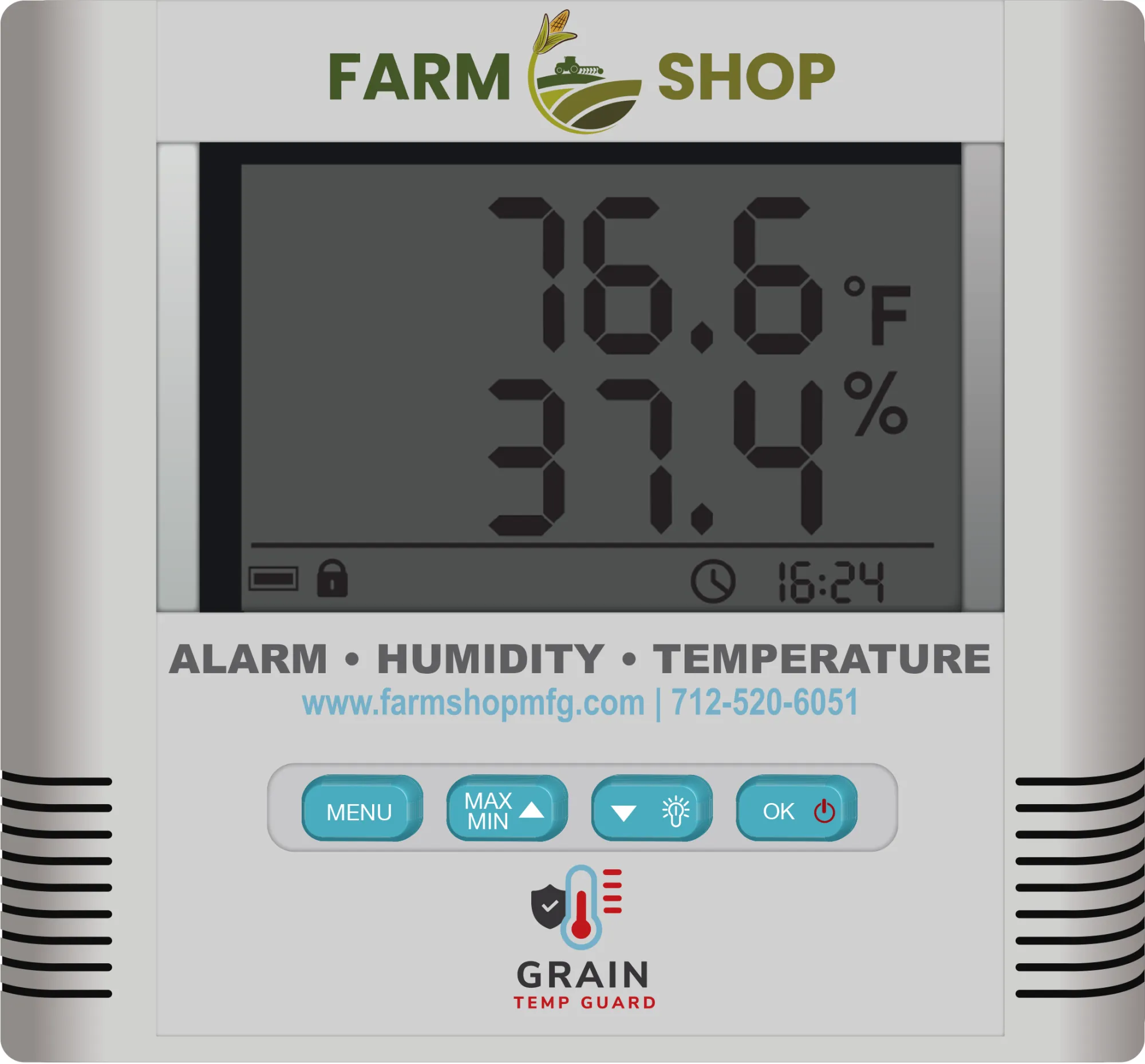

Storing corn and soybeans successfully depends on more than bin capacity alone. Once grain is in storage, changes in temperature and humidity can begin to affect its condition, often before there are any visible signs from outside the bin. When those shifts go unnoticed, they can lead to moisture migration, spoilage, mold, shrink, and reduced grain quality. That is why moisture monitoring systems have become an important part of sound grain storage management. They give operators a clearer view of what is happening inside the bin and help support timely decisions that protect grain quality.
Why Corn and Soybean Storage Requires Closer Control
Corn and soybeans each come with their own storage challenges, but both are highly sensitive to moisture and temperature changes. Corn can lose storability when grain temperatures stay elevated or moisture levels remain too high. Soybeans also require careful storage because excess moisture and shifting temperatures can shorten storage life and affect grain quality. In both cases, the most common problem is not simply high moisture at harvest, but what happens when conditions inside the bin begin to change over time.
This is where moisture monitoring systems make practical sense. Rather than relying only on occasional checks, growers can track the conditions that matter most and react before a small issue leads to spoilage or quality loss. Better visibility inside the bin supports better grain management overall.
Why Early Detection Matters
One of the biggest storage risks is that grain problems often develop quietly. Heating, humidity buildup, and hot spots can begin inside the grain mass without creating immediate signs on the surface. By the time crusting, odor, or visible spoilage appears, the grain may already have been affected.
Early detection is what makes monitoring valuable. A system that tracks internal bin conditions helps operators identify changes while corrective action is still simple and effective. Whether that means adjusting aeration, running fans at the right time, or checking a section of grain more closely, timely information leads to better decisions. That is the main advantage of using moisture monitoring systems in corn and soybean storage: they reduce guesswork and help operators respond before losses grow.
A Practical Fit for Modern Grain Storage
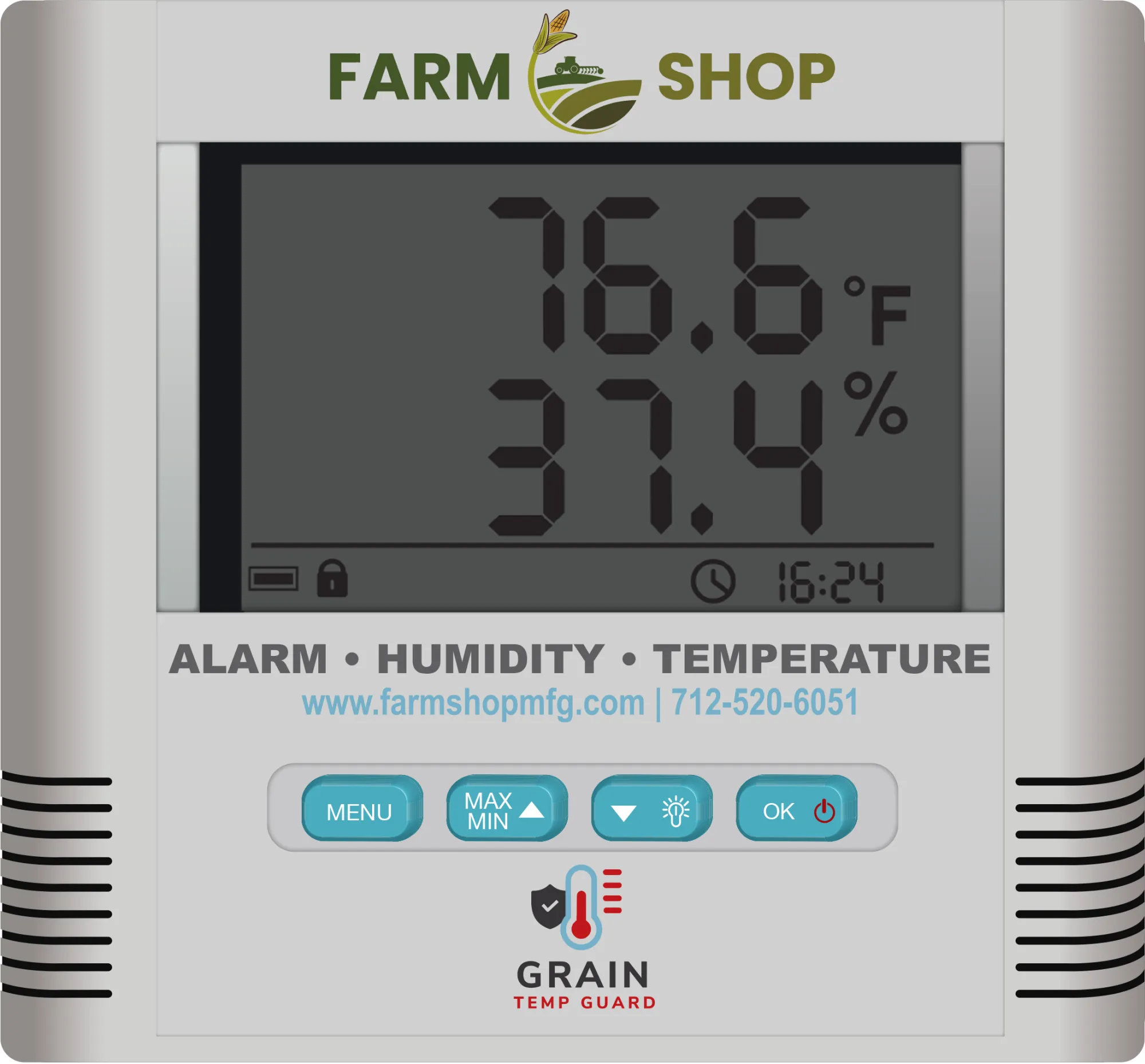
For growers looking to improve storage management, the most useful monitoring setup is one that is simple, reliable, and focused on real bin conditions. Temperature and humidity readings are most valuable when they come from inside the grain mass, where trouble tends to begin. Systems that can also identify hot spots and provide clear alerts offer an added advantage because they make it easier to act quickly. That is where Grain Temp Guard fits naturally into the conversation. The system is designed to monitor temperature and humidity inside the bin, detect hot spots through probe-based sensing, and alert operators with visual and audio warnings. For farms storing corn and soybeans, this supports a more practical approach to managing grain condition without making the process unnecessarily complex. It keeps the focus on preventing storage issues rather than reacting after damage has already started.
Connecting Storage Performance to Broader Farm Efficiency
Strong crop management does not stop at harvest. The same practical thinking that improves performance in the field also helps protect grain once it is stored. In planting, components such as planter press wheels support better seed-to-soil contact and more consistent crop establishment. In storage, monitoring systems serve a different purpose, but the goal is similar: reducing risk and protecting crop value. That connection is important because it reflects how many growers make decisions today. They are not just looking for products that solve one isolated issue. They want tools that help improve consistency across the operation. In that sense, planter press wheels and grain monitoring systems belong to the same larger strategy of protecting yield potential from planting through storage.
Conclusion
Corn and soybean storage depends on maintaining the right conditions inside the bin over time. Temperature swings, excess humidity, and hidden hot spots can all affect grain quality long before the problem becomes obvious. That is why moisture monitoring systems matter. They help operators detect changes sooner, make better storage decisions, and reduce the risk of avoidable grain loss. For operations that want a more controlled and informed approach to grain storage, solutions like Grain Temp Guard offer a straightforward way to monitor internal bin conditions and stay ahead of developing issues.





























Sign in to leave a comment.