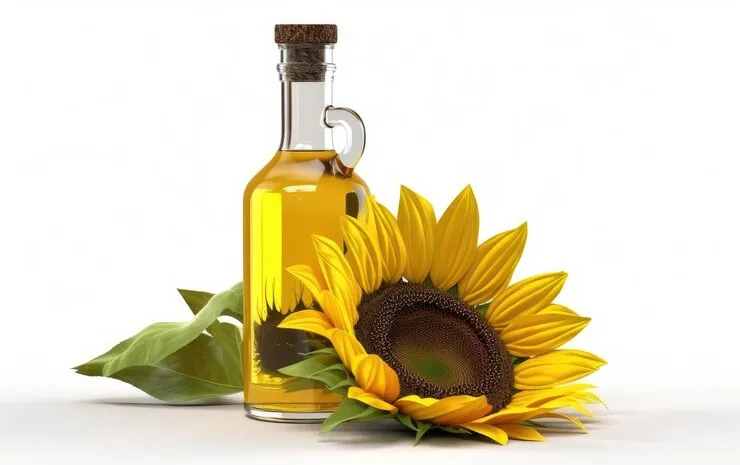
Sunflower seed oil is one of the most widely used vegetable oils in homes, restaurants, and food manufacturing industries worldwide. Extracted from sunflower seeds, this versatile cooking oil is valued for its light flavor, high smoke point, and impressive nutritional profile.
Whether you're looking to improve your diet, support heart health, or simply choose a healthier cooking oil, understanding the nutritional facts of sunflower seed oil can help you make informed decisions. In this guide, we'll explore the calories, vitamins, healthy fats, and overall nutritional benefits of sunflower seed oil.
What Is Sunflower Seed Oil?
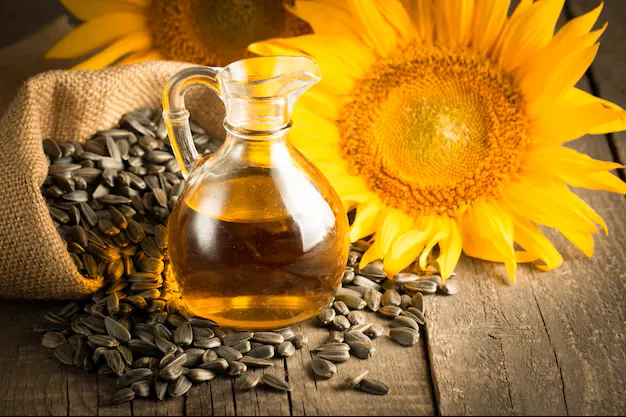
Sunflower seed oil is produced by pressing the seeds of the sunflower plant (Helianthus annuus). Depending on the processing method, sunflower oil may be refined or cold-pressed. It is commonly used for frying, baking, sautéing, salad dressings, and food preparation due to its mild taste and excellent cooking performance.
Sunflower Seed Oil Nutrition Facts
The following nutritional values are based on 1 tablespoon (approximately 14 grams) of sunflower seed oil:
| Nutrient | Amount |
|---|---|
| Calories | 120 |
| Total Fat | 14 g |
| Saturated Fat | 1.4 g |
| Monounsaturated Fat | 2.7 g |
| Polyunsaturated Fat | 9.2 g |
| Vitamin E | 5.6 mg |
| Protein | 0 g |
| Carbohydrates | 0 g |
| Fiber | 0 g |
| Sugar | 0 g |
| Cholesterol | 0 mg |
As a pure fat source, sunflower seed oil contains no carbohydrates, protein, or cholesterol.
Calories in Sunflower Seed Oil
Like all cooking oils, sunflower seed oil is calorie-dense. One tablespoon contains approximately 120 calories, all of which come from fat.
While this may seem high, the quality of fat matters. Sunflower seed oil contains beneficial unsaturated fats that can be part of a balanced diet when consumed in moderation.
Key Takeaway:
Sunflower seed oil provides energy and healthy fats but should be used appropriately as part of your daily calorie intake.
Healthy Fats Found in Sunflower Seed Oil
One of the biggest nutritional advantages of sunflower seed oil is its healthy fat composition.
Polyunsaturated Fats (PUFAs)
Sunflower oil is particularly rich in polyunsaturated fats, including omega-6 fatty acids. These fats play important roles in:
- Cell growth and development
- Brain function
- Skin health
- Immune system support
Monounsaturated Fats (MUFAs)
Certain varieties, such as high-oleic sunflower oil, contain higher levels of monounsaturated fats. These fats are associated with:
- Improved heart health
- Better cholesterol balance
- Reduced risk of cardiovascular disease
Low Saturated Fat Content
Compared to many tropical oils, sunflower seed oil contains relatively low amounts of saturated fat, making it a popular choice for health-conscious consumers.
Vitamin E: The Star Nutrient
Sunflower seed oil is one of the richest natural sources of Vitamin E, a powerful antioxidant.
Benefits of Vitamin E
Vitamin E helps:
- Protect cells from oxidative stress
- Support immune function
- Promote healthy skin
- Reduce free radical damage
- Support eye health
Just one tablespoon of sunflower seed oil can provide a significant portion of the recommended daily intake of Vitamin E.
Does Sunflower Seed Oil Contain Omega Fatty Acids?
Yes. Sunflower seed oil contains omega-6 fatty acids, which are essential fats the body cannot produce on its own.
Omega-6 fats contribute to:
- Healthy cell membranes
- Brain development
- Growth and repair processes
However, nutrition experts generally recommend balancing omega-6 intake with omega-3-rich foods such as flaxseeds, walnuts, and fatty fish.
Health Benefits of Sunflower Seed Oil
1. Supports Heart Health
The unsaturated fats in sunflower oil may help maintain healthy cholesterol levels when used in place of saturated fats.
2. Rich in Antioxidants
Its high Vitamin E content helps combat oxidative stress and supports overall wellness.
3. Suitable for High-Heat Cooking
With a relatively high smoke point, refined sunflower oil is suitable for frying, roasting, and sautéing.
4. Promotes Healthy Skin
Vitamin E and essential fatty acids contribute to skin hydration and protection.
5. Cholesterol-Free
Sunflower seed oil contains no dietary cholesterol, making it a heart-friendly option for many consumers.
Refined vs. Cold-Pressed Sunflower Seed Oil
Refined Sunflower Oil
- Neutral flavor
- High smoke point
- Ideal for frying and cooking
- Longer shelf life
Cold-Pressed Sunflower Oil
- Less processed
- Retains more natural compounds
- Richer flavor
- Best for dressings and low-heat applications
Both varieties offer nutritional benefits, though their uses may differ depending on cooking needs.
Choosing High-Quality Sunflower Seed Oil
When purchasing sunflower seed oil, it is important to consider factors such as processing methods, purity, packaging, and quality certifications. Reputable sunflower oil suppliers typically provide detailed product specifications, sourcing information, and quality assurance standards to help consumers and businesses make informed purchasing decisions.
Is Sunflower Seed Oil Healthy?
Sunflower seed oil can be a healthy addition to a balanced diet when used in moderation. Its combination of Vitamin E, unsaturated fats, and cholesterol-free profile makes it a preferred cooking oil for many households and food manufacturers.
To maximize health benefits:
- Use appropriate serving sizes
- Pair with omega-3-rich foods
- Choose high-quality sunflower oil products
- Avoid excessive consumption of any cooking oil
Conclusion
Sunflower seed oil offers an impressive nutritional profile packed with healthy fats, antioxidant-rich Vitamin E, and essential fatty acids. With approximately 120 calories per tablespoon and a low saturated fat content, it remains one of the most popular cooking oils worldwide.
Whether you're cooking at home or selecting ingredients for food production, understanding the nutritional facts of sunflower seed oil can help you make smarter dietary choices. When used as part of a balanced diet, sunflower seed oil can contribute to heart health, skin wellness, and overall nutrition.


























Sign in to leave a comment.