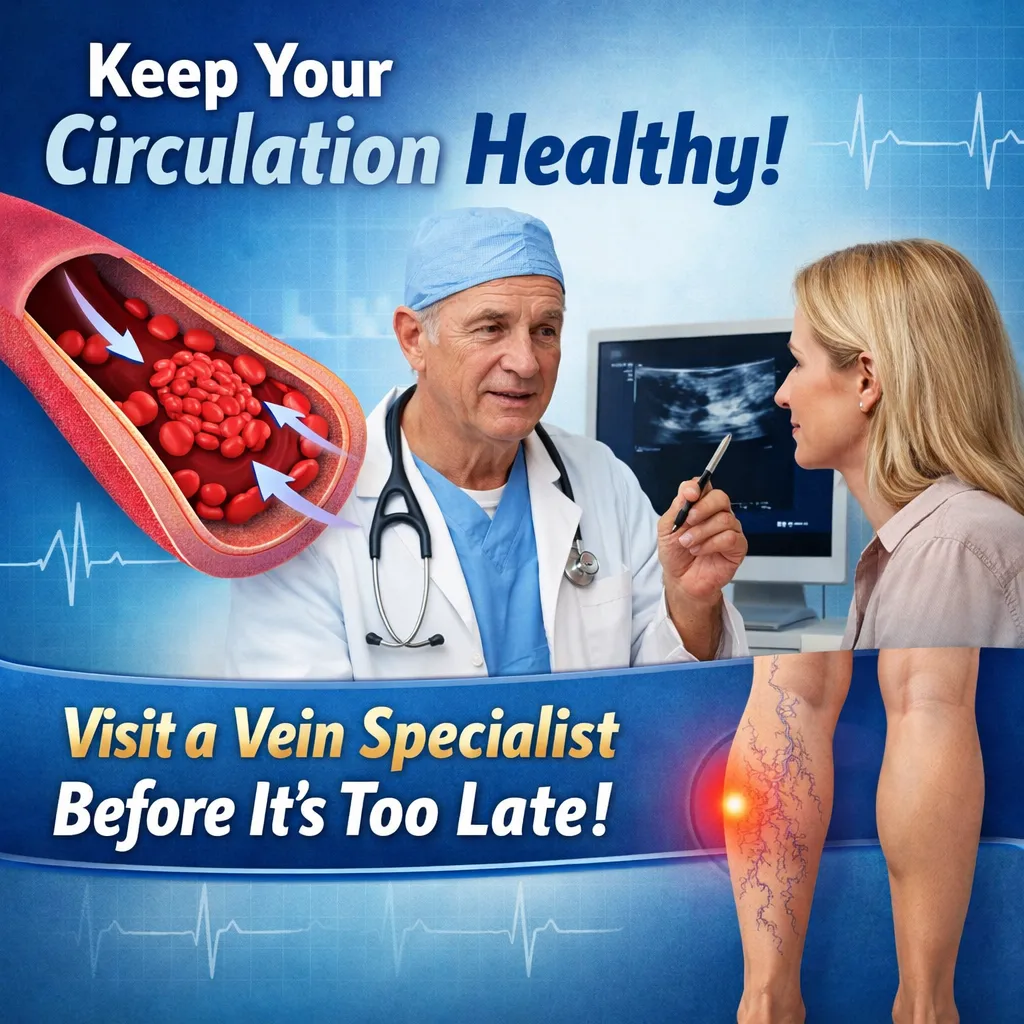

Many people ignore swollen legs, visible veins, or persistent heaviness, assuming it's just fatigue. But these are early warning signs of vascular disease that quietly worsen over time. Consulting a vein specialist doctor early can mean the difference between a simple outpatient procedure and a life-altering complication. Whether you're dealing with varicose veins, deep vein thrombosis, or chronic venous insufficiency, getting the right expert involved protects your long-term health.
Why Are Vein Problems Often Ignored Until It's Too Late?
Most people delay care because vein issues don't always feel dramatic at first, a little puffiness here, some discoloration there, nothing that screams emergency. But underneath the surface, poor circulation can trigger blood clots, skin ulcers, and even organ damage.
A trained vascular physician understands how to catch these conditions early using non-invasive diagnostic tools like duplex ultrasound, mapping blood flow before damage becomes irreversible.
What Does a Vein Specialist Actually Treat?
Phlebologists and vascular surgeons address a wide range of conditions, including:
- Varicose and spider veins are causing cosmetic and physical discomfort.
- Chronic venous insufficiency where valves fail to push blood upward properly.
- Deep vein thrombosis (DVT) dangerous condition requiring urgent care.
- Leg ulcers rooted in poor venous return.
- Post-thrombotic syndrome affects long-term mobility.
How Do They Prevent Complications Before They Escalate?
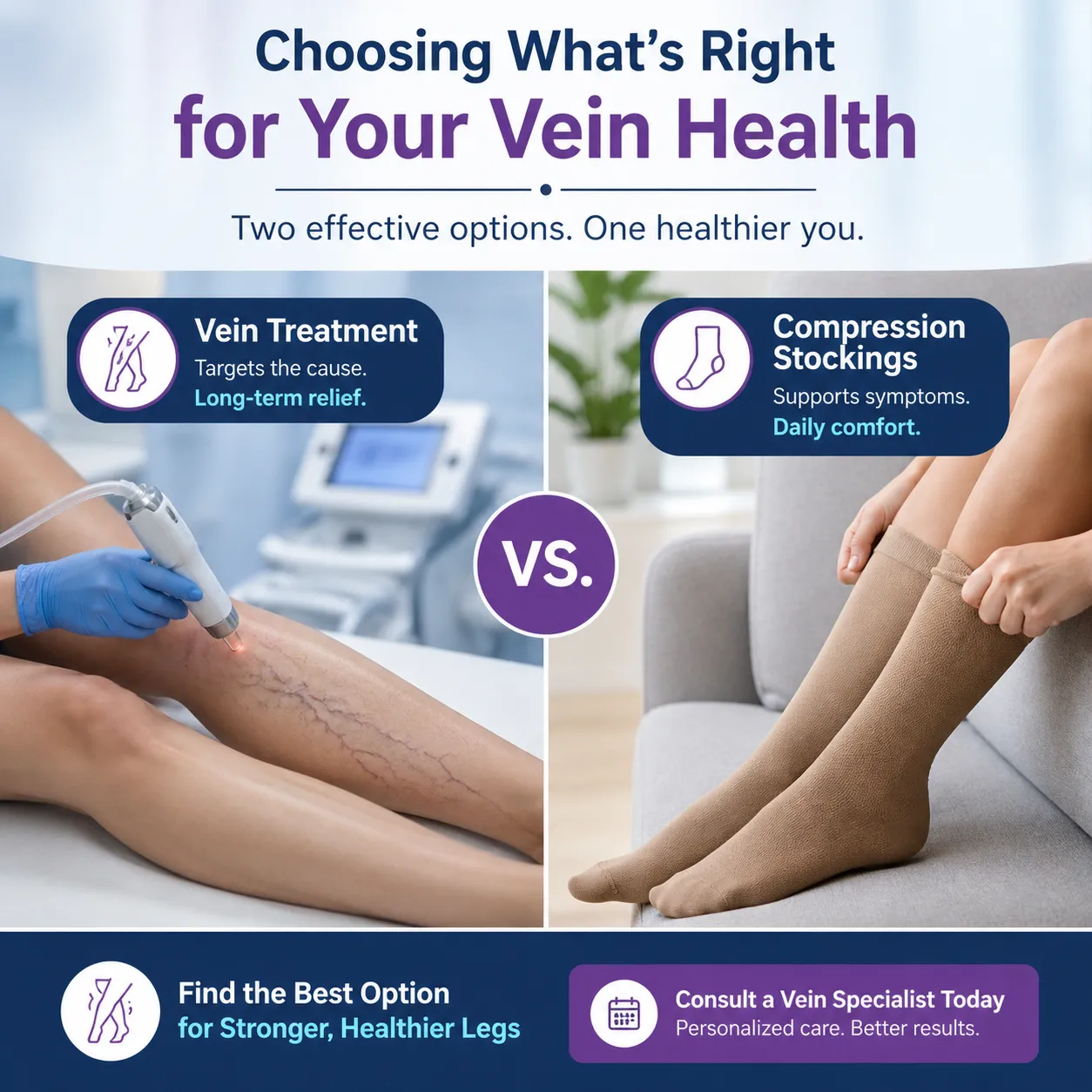
Prevention is where a vein specialist doctor adds the most value. Through personalized risk assessment, lifestyle guidance, compression therapy, and minimally invasive treatments like sclerotherapy or endovenous laser ablation, they stop small problems from becoming serious ones.
Early intervention reduces hospitalisation risk, improves daily comfort, and keeps you active longer.
Who Should Consider Seeing a Vascular Expert?
You don't need a dramatic symptom to seek an evaluation. Consider booking a consultation if you experience:
- Leg pain or cramping after standing or sitting for long periods.
- Visible rope-like or twisted veins on the legs.
- Unexplained skin darkening or itching near the ankle.
- A family history of blood clots or vascular disease.
- Swelling that worsens throughout the day.
Security personnel and others who stand for extended hours are especially vulnerable. Prolonged standing slows venous return, making vein specialist doctor evaluations particularly smart for those in physically demanding roles like security guard services.
Are Modern Vein Treatments Safe and Effective?
Absolutely. Today's vascular treatments are largely outpatient, minimally invasive, and require little to no downtime. Techniques like foam sclerotherapy, radiofrequency ablation, and ambulatory phlebectomy are performed in clinical settings with high success rates and low recurrence when follow-up care is maintained.
Don't wait for pain to become unbearable or veins to become a visible concern. A qualified vascular physician can assess your circulation, flag hidden risks, and create a treatment plan tailored to your lifestyle, helping you stay on your feet, pain-free, and fully functional for years ahead.



























Sign in to leave a comment.