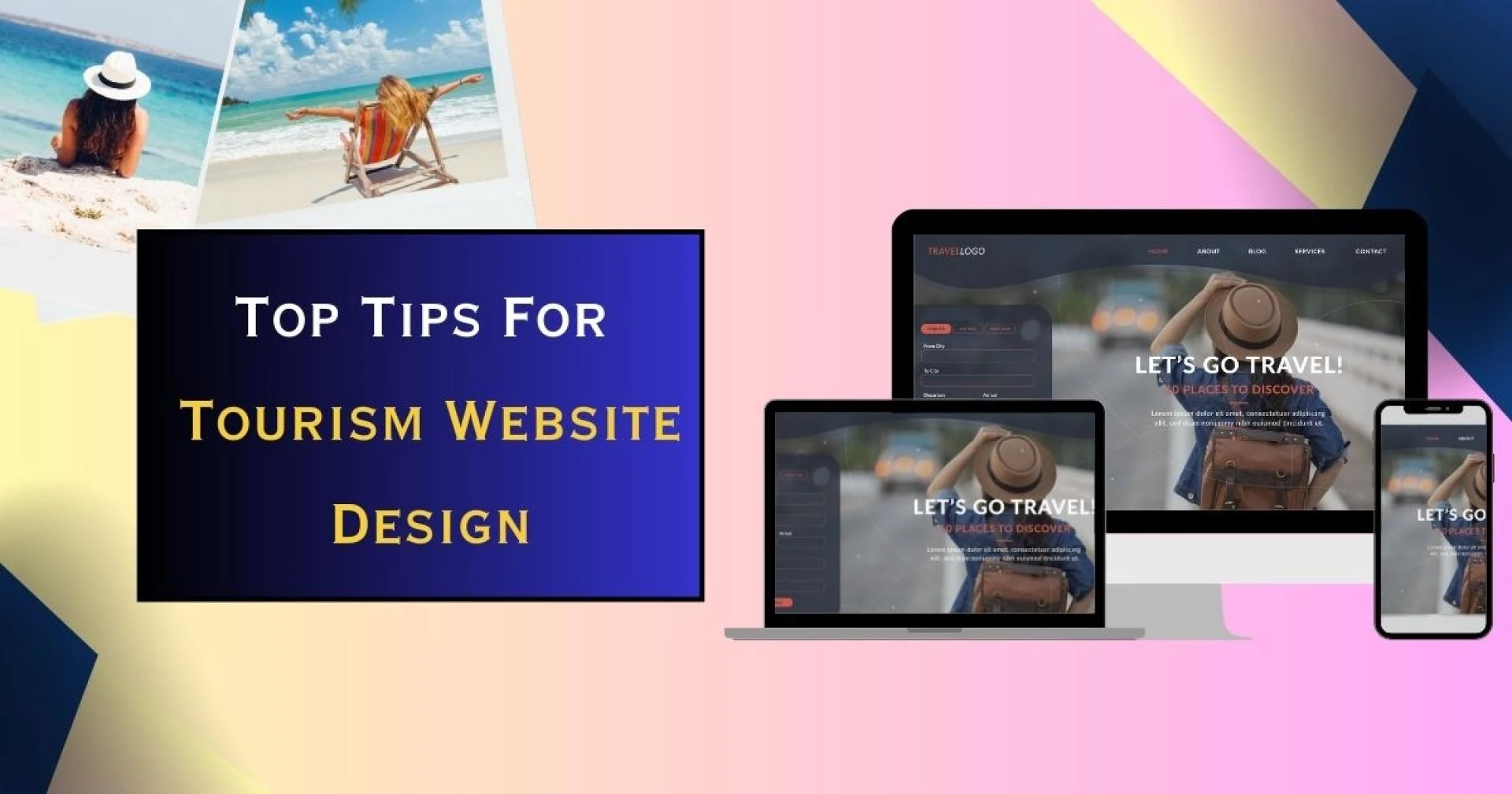

Having an appealing and functional website is more important than ever, especially for businesses in the tourism industry. With millions of people searching for travel options online, your website is often the first point of contact potential customers will have with your brand. That first impression can make or break their decision to trust you with their travel plans. So, why is tourism website design so important? Simply put, the design of your website can significantly impact your brand's visibility, user experience, and ability to convert visitors into loyal customers. Let’s dive into why investing in tourism web design services can set your business apart and drive success.
So, Why is Tourist Website Design Important?
A well-crafted tourism website is more than just a pretty page—it’s a powerful tool that can drive traffic, engage visitors, and increase sales. Here are five key reasons why great website design is essential for your business:
- Boosts Visibility and Brand Awareness: A modern, optimised design helps your website rank higher and stand out in search results.
- Improves User Experience: A fast, easy-to-navigate website keeps visitors engaged and reduces bounce rates.
- Increases Customer Engagement: Engaging design elements and clear CTAs encourage visitors to take action and interact more.
- Improves SEO: A well-structured, mobile-friendly site improves search engine rankings and attracts organic traffic.
- Increases Revenue: A seamless and intuitive design leads to higher conversions and more sales.
6 Key Elements for Successful Tourism Web Design
When it comes to creating a successful tourism website design is more than just aesthetics—it's about providing a seamless experience for your visitors. A well-designed website not only captures attention but also enhances functionality, making it easier for potential customers to navigate and convert. Below are six key elements that can help ensure your tourism website stands out and performs at its best:
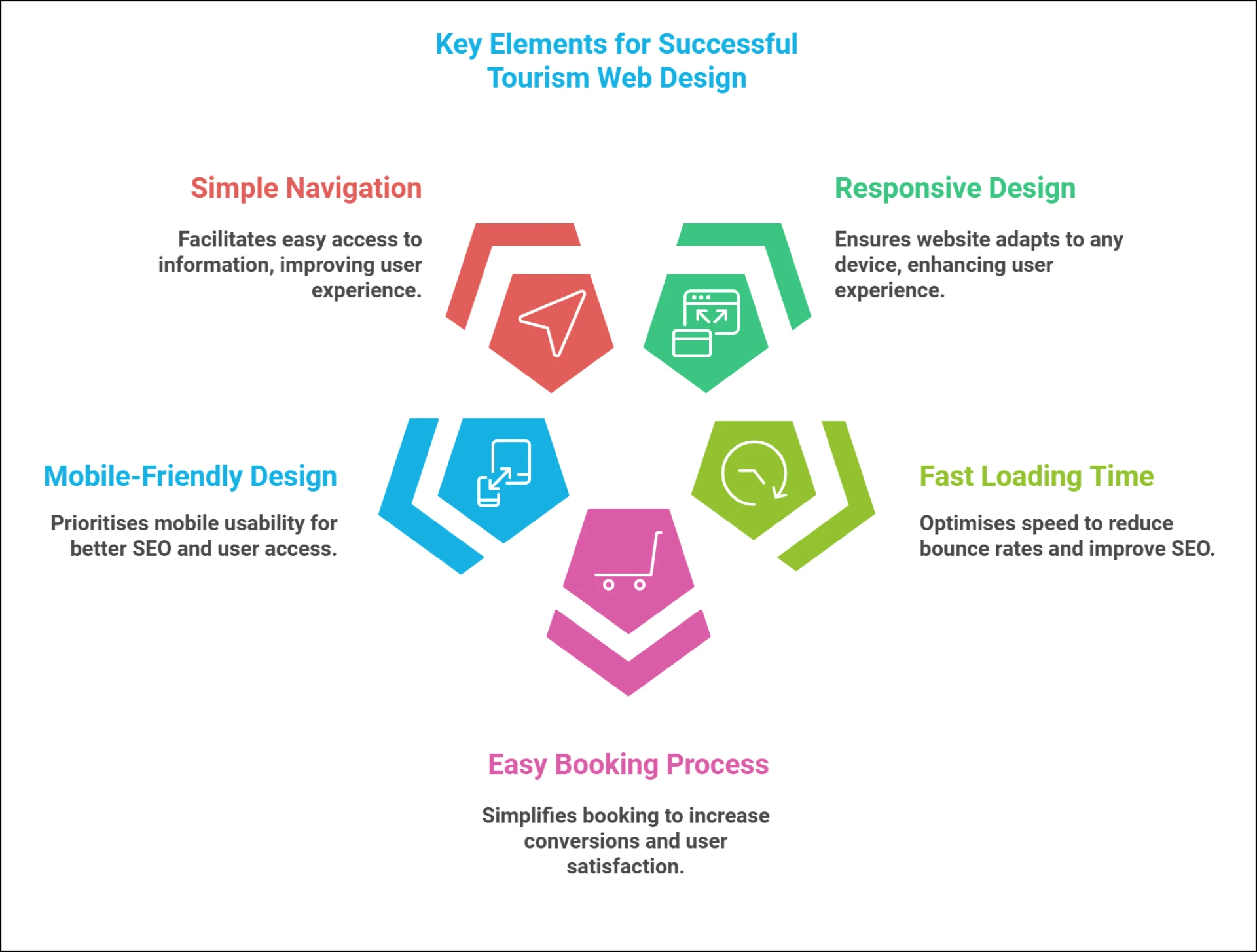
1. Responsive Design
More than half of all web traffic comes from mobile devices, so your website needs to be responsive. This means your site should adjust to any screen size, whether on a smartphone, tablet, or desktop. A responsive website design ensures that your visitors have a smooth experience, no matter how they access your site.
Tip: Test your website on multiple devices to ensure it looks great and functions well everywhere. If your site doesn’t work well on mobile, you risk losing a large portion of potential customers.
2. Fast Loading Time
Website speed is crucial for both user experience and SEO performance. Studies show that 40% of visitors will abandon a site that takes more than 3 seconds to load. Optimising your website’s speed can improve user experience, reduce bounce rates, and enhance your chances of ranking higher on search engines.
Tip: Compress images, minimise scripts, and leverage browser caching to speed up your website. Use tools like Google PageSpeed Insights for improvement.
3. Easy Booking Process
The booking process should be straightforward and efficient. A complicated booking system can frustrate users and lead to abandoned bookings. Offering multiple payment options and ensuring the process is quick and intuitive will improve conversions.
Tip: Make sure your booking system is easy to find and use. Provide clear steps, offer a guest checkout option, and ensure the page is mobile-friendly.
4. Mobile-Friendly Design
As mobile traffic continues to rise, it’s essential that your website is designed with mobile users in mind. Google now ranks websites based on mobile performance, so if your site doesn’t work well on phones and tablets, it can hurt your SEO and traffic.
Tip: Prioritise mobile design when creating your website. Ensure that images, text, and buttons are properly scaled and easy to interact with on smaller screens.
5. Simple Navigation
A website that’s easy to navigate helps visitors find what they need without confusion. Include a search bar, a well-structured header and footer, and clear categories to make it easy for users to browse your offerings.
Tip: Limit the number of menu options and focus on the most important pages, such as your services, about us, and booking sections. Keep your navigation consistent across all pages for a better user experience.
6. Engaging Content
Last but not least, your content should be visually appealing, informative, and engaging. High-quality images of destinations, detailed descriptions of services, and customer testimonials all help attract and retain visitors. Great content also improves your SEO by adding relevant keywords and providing valuable information to your audience.
Tip: Invest in professional photography, write compelling copy, and update your content regularly to keep your website fresh and relevant.
Tips for Choosing the Best Tourist Website Design Company
Finding the best website design company for your tourism business is essential for building an effective online presence. The right company will help you create a website that attracts visitors, offers an exceptional user experience, and ultimately boosts conversions. Follow these tips to help you find the best web design company:
- Check Their Portfolio: Review their previous work to ensure they have experience designing websites in the tourism industry and a style that aligns with your vision.
- Read Client Reviews: Look for feedback from previous clients to gauge the company's reliability, professionalism, and the quality of their work.
- Understand Their Process: Ask about their design and development process to ensure they have a clear plan for delivering your project on time. A clear, structured process ensures that your project stays on track and meets deadlines.
- Assess Their Expertise in SEO: Ensure the company understands the importance of SEO for tourism websites to help your site rank higher in search results.
- Inquire About Mobile Optimisation: Since many users browse and book on mobile devices, make sure the company specialises in mobile-responsive design.
- Evaluate Communication and Support: Choose a company that communicates well and offers strong post-launch support to address any issues after the website is live.
- Check for Customisation: Ensure they offer custom solutions rather than generic templates, allowing you to stand out from competitors.
- Consider Their Pricing: While cost is important, focus on value for money. The cheapest option may not always provide the best results.
Conclusion
A well-designed tourism website is a powerful tool for attracting visitors, engaging them, and converting them into paying customers. By investing in a tourism web design agency that understands your needs and follows best practices, you can create a website that enhances your brand, improves user experience, boosts SEO, and increases revenue. With the right design, your website will not only look great but also help your business thrive in the competitive tourism industry.


























Sign in to leave a comment.