

Agentic AI refers to artificial intelligence systems that plan, decide, and act without requiring constant human input at each step. Supply chain management involves thousands of daily decisions around inventory, logistics, supplier coordination, and demand forecasting, areas where speed and accuracy directly affect business performance. Organizations deploy agentic AI to handle these decisions in real time, reducing delays and operational costs across their networks. Supply chain professionals who want to work effectively alongside these systems increasingly enroll in generative AI courses to understand the foundational technology driving autonomous decision-making.
Agentic AI Improves Demand Forecasting Across Complex Supply Networks
Accurate demand forecasting requires analyzing large volumes of data from multiple sources simultaneously. Agentic AI systems pull data from point-of-sale records, supplier databases, shipping logs, and external sources such as weather reports or regional economic indicators. These systems identify demand patterns much faster than traditional forecasting software, and continuously update their predictions as new data arrives.
Retailers and manufacturers use these forecasting tools to align stock levels with projected demand weeks in advance. A food distribution company can adjust order quantities based on upcoming public holidays, local events, or supplier lead-time changes without waiting for a human analyst to review the numbers. This level of precision reduces both overstock costs and stockout incidents across distribution networks.
The accuracy of these forecasts also improves over time as the AI system learns from its own prediction errors. Each cycle of data processing makes the model more reliable, giving supply chain managers a stronger foundation for long-term planning decisions.
Autonomous Agents Adapt Supply Chain Operations in Real Time
Supply chains face frequent disruptions from factors such as port delays, supplier failures, raw material shortages, and sudden demand shifts. Agentic AI monitors these variables continuously and takes corrective action without waiting for human instruction. When a primary supplier fails to confirm a shipment, the system can automatically identify an alternative supplier, compare pricing and lead times, and place a replacement order within minutes.
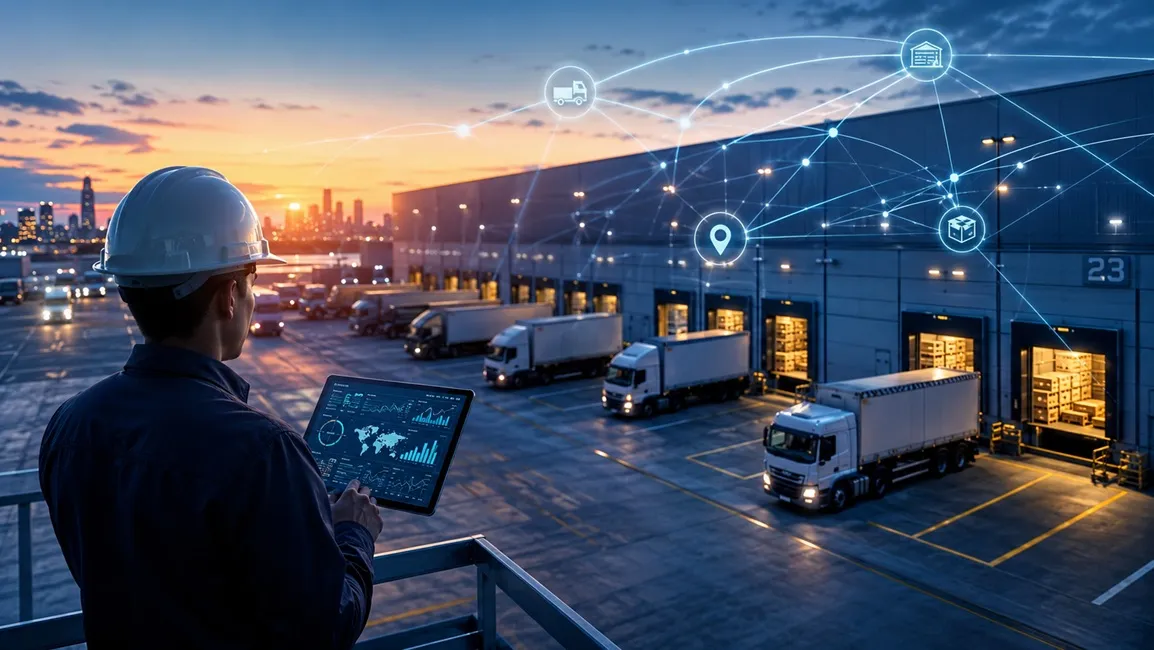
Logistics networks also benefit from autonomous route optimization. Agentic AI evaluates traffic conditions, fuel costs, delivery windows, and vehicle capacity in real time to assign the most efficient routes across a fleet. This reduces delivery costs and improves on-time performance without requiring a dispatcher to review each assignment manually.
Warehouse operations represent another area where autonomous agents drive measurable efficiency gains. AI-controlled robotic systems sort, pick, and pack items based on live order data, adjusting priorities dynamically as new orders enter the queue. These systems reduce processing time and lower the error rate compared to fully manual warehouse operations.
Multi-Agent Systems Coordinate Across Supplier and Logistics Networks
Modern supply chains involve multiple organizations: raw material suppliers, manufacturers, third-party logistics providers, and retailers each managing their own systems and data. Multi-agent AI frameworks enable separate AI systems across these organizations to share relevant data and coordinate decisions without centralized control. Each agent handles its own domain but communicates with others to avoid conflicts or gaps in the overall chain.
A manufacturer's procurement agent can negotiate delivery schedules directly with a supplier's inventory agent based on real-time stock data from both sides. This removes the manual back-and-forth that typically delays procurement decisions. The same principle applies to customs documentation and quality control approvals across international supply networks.
Supply chain professionals who complete generative AI courses develop a working understanding of how these agent frameworks operate, including how to configure agent goals, set decision boundaries, and monitor agent behavior across complex workflows. This knowledge helps organizations deploy multi-agent systems with appropriate oversight rather than treating them as fully opaque black boxes.
Governance and Human Oversight Remain Essential in Autonomous Supply Chains
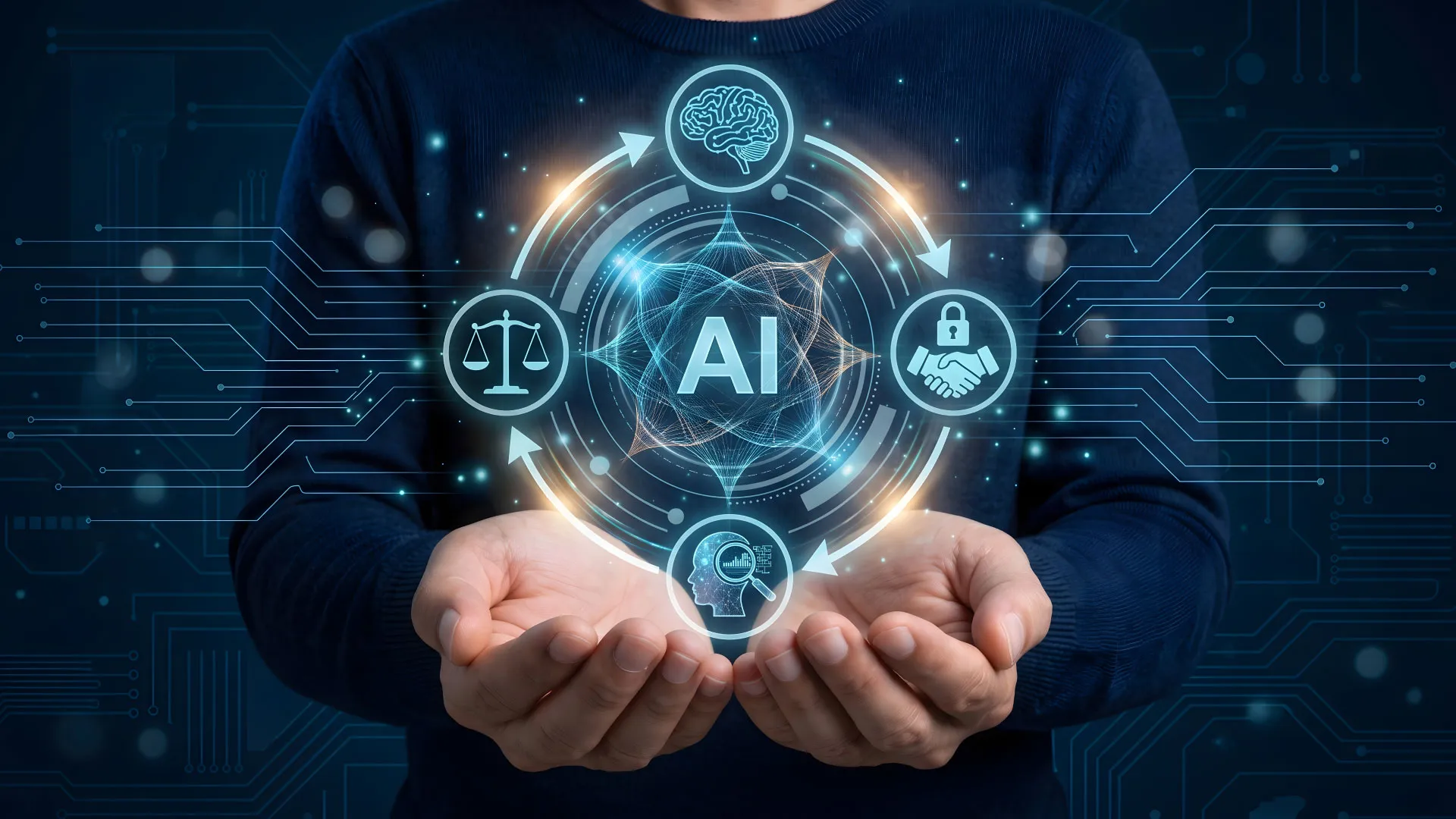
Autonomous AI systems in supply chains make high-stakes decisions that affect costs, contracts, and service commitments. Organizations must define clear boundaries around which decisions the AI can execute independently and which ones require human approval. Without these boundaries, an agentic system may optimize for a narrow metric such as cost reduction while creating unintended consequences elsewhere in the chain.
Audit trails also play a critical role in responsible AI deployment across supply operations. Every autonomous decision the system makes should generate a log that human managers can review and, if necessary, override. This visibility allows organizations to catch errors early, meet regulatory requirements, and maintain accountability when a decision leads to a negative outcome.
Supplier relationships also require careful management when AI systems handle procurement autonomously. Contracts, service-level agreements, and dispute resolution processes must account for decisions that AI agent initiates. Legal and operations teams need to align on the boundaries of AI authority before full deployment begins.
Conclusion
Agentic AI brings a new level of speed, accuracy, and adaptability to supply chain management across forecasting, logistics, procurement, and multi-party coordination. Organizations that deploy these systems effectively reduce costs, improve resilience, and respond to disruptions faster than competitors relying on manual processes. Governance frameworks and human oversight remain essential to ensure autonomous decisions stay within defined boundaries and produce reliable outcomes. The technology continues to evolve, and the skills that supply chain professionals need to manage it responsibly. Those who pursue Generative AI Courses build the technical foundation required to understand, configure, and agentic AI systems as they take on a larger role in global supply chain operations.



























Sign in to leave a comment.