

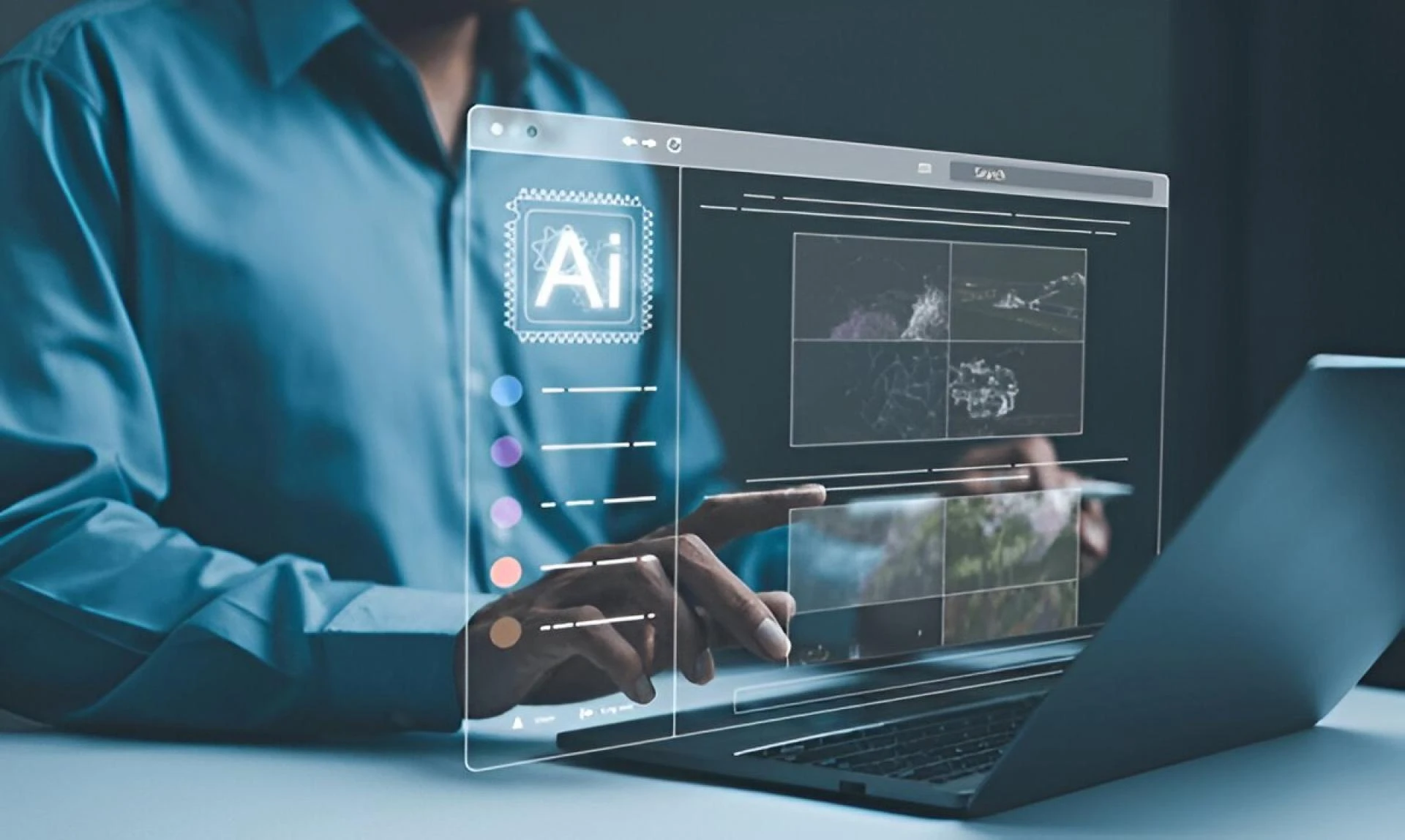
Artificial Intelligence (AI) and Machine Learning (ML) are revolutionizing software development by automating tasks, improving efficiency, and enabling smarter applications. From automating code generation to enhancing testing and debugging, AI and ML are transforming how developers build, deploy, and maintain software.
In this article, we will explore the various ways AI and ML contribute to software development, including:
- Automated Code Generation & Assistance
- Bug Detection & Debugging
- Predictive Analytics for Project Management
- Enhanced Software Testing (AI-Driven QA)
- Natural Language Processing (NLP) for Better Documentation
- AI in DevOps & Continuous Deployment
- Personalized User Experiences with AI
- Security Enhancements (AI-Powered Cybersecurity)
- Future Trends: AI-Driven Low-Code/No-Code Development
1. Automated Code Generation & Assistance
AI-powered tools like GitHub Copilot, Tabnine, and Amazon CodeWhisperer assist developers by:
- Auto-completing code snippets based on context.
- Generating boilerplate code to reduce repetitive tasks.
- Converting natural language prompts into code (e.g., "Create a login API in Python").
Benefits:
✔ Faster development cycles
✔ Reduced human errors
✔ Easier onboarding for junior developers
Example:
GitHub Copilot, powered by OpenAI’s Codex, suggests real-time code completions, improving productivity by 30-50% (GitHub, 2023).
2. Bug Detection & Debugging
AI helps identify bugs early using:
- Static Code Analysis: Tools like SonarQube & DeepCode scan code for vulnerabilities.
- Anomaly Detection: ML models analyze past bugs to predict new ones.
- Automated Debugging: AI suggests fixes for common errors.
Benefits:
✔ Fewer production failures
✔ Reduced debugging time
Example:
Facebook’s Sap Fix AI automatically fixes bugs before deployment, reducing manual debugging efforts.
3. Predictive Analytics for Project Management
AI improves project planning by:
- Estimating timelines using historical data.
- Identifying bottlenecks in workflows.
- Optimizing resource allocation.
Tools:
✔ JIRA (with AI plugins)
✔ ClickUp’s predictive scheduling
Benefits:
✔ More accurate deadlines
✔ Better risk management
4. Enhanced Software Testing (AI-Driven QA)
AI automates testing through:
- Self-healing test scripts (e.g., Testim, Mabl) that adapt to UI changes.
- Visual testing (AI compares screenshots for UI discrepancies).
- Predictive test selection (prioritizing high-risk test cases).
Benefits:
✔ Faster test execution
✔ Higher test coverage
Example:
Google’s Test AI reduces flaky tests by 50% by predicting unstable test cases.
5. Natural Language Processing (NLP) for Better
Documentation
AI simplifies documentation with:
- Auto-generated docs (e.g., Swagger for APIs).
- Chatbots for developer support (e.g., Stack Overflow’s AI assistant).
- Voice-to-code assistants (e.g., Amazon Lex).
Benefits:
✔ Easier knowledge sharing
✔ Reduced onboarding time
6. AI in DevOps & Continuous Deployment
AI optimizes DevOps via:
- Anomaly detection in logs (e.g., Splunk AI).
- Auto-scaling cloud resources (AWS Auto Scaling + AI).
- Predictive failure analysis (avoiding downtime).
Benefits:
✔ Faster deployments
✔ Improved system reliability
7. Personalized User Experiences with AI
AI enhances UX through:
- Recommendation engines (e.g., Netflix, Spotify).
- Chatbots & virtual assistants (e.g., ChatGPT in apps).
- Adaptive UIs (e.g., dynamic themes based on user behavior).
Example:
Netflix’s ML algorithms save $1B/year by reducing churn through personalized recommendations.
8. Security Enhancements (AI-Powered Cybersecurity)
AI strengthens security via:
- Fraud detection (e.g., Darktrace’s AI anti-hacking).
- Automated vulnerability scanning (e.g., Synk, Checkmarx).
- Behavioral biometrics (detecting unusual user activity).
Benefits:
✔ Proactive threat prevention
✔ Faster incident response
9. Future Trends: AI-Driven Low-Code/No-Code Development
AI is enabling citizen developers with:
- Drag-and-drop AI builders (e.g., Microsoft Power Apps).
- Auto-generated UIs from sketches (e.g., Figma AI).
- Voice-driven app development (e.g., GPT-4 for app design).
Impact:
✔ Faster prototyping
✔ Democratizing software development
Conclusion
AI and ML are transforming software development by:
✅ Automating repetitive tasks (coding, testing, debugging).
✅ Improving accuracy (bug detection, security).
✅ Enhancing user experiences (personalization, chatbots).
As AI evolves, developers who embrace these tools will build faster, smarter, and more secure applications.
Future Outlook:
- AI pair programmers becoming standard.
- Self-debugging code reducing maintenance costs.
- AI-generated apps from simple prompts.




























Sign in to leave a comment.