Digital tools in CBSE classrooms are no longer limited to presentations or online homework portals. Over the past few academic cycles, subject delivery under the CBSE framework has placed greater emphasis on application-based questions, data interpretation, case analysis, and project-driven assessments. As a result, Top CBSE Schools in Ahmedabad like DPS Bopal, Udgam, Zydus are integrating digital platforms and AI-assisted tools with defined academic intent.
For parents choosing CBSE admissions in Ahmedabad in 2026, understanding how digital tools are used, not just whether they are available, is now an important part of evaluating a school’s academic environment.
What Digital Integration Looks Like in CBSE Classrooms
In Ahmedabad’s CBSE schools, digital tools are typically integrated within lesson structure rather than used independently.
In Science subjects, teachers use simulations to demonstrate processes such as chemical reactions or biological systems before students record written explanations. In Mathematics, interactive modules are applied to break down multi-step problems visually before solving them analytically on paper. Commerce classrooms often use data-driven examples to interpret charts and financial statements through guided discussion.
AI-supported tools are introduced cautiously. They assist in structured brainstorming, clarifying difficult concepts, or generating practice questions. However, classroom ownership remains with the teacher. Written assignments, notebook work, and supervised assessments continue to anchor the learning process.
This blended model allows digital clarity without weakening academic fundamentals.
Digital Learning Across Leading CBSE Schools in Ahmedabad
Among established CBSE institutions in Ahmedabad, digital infrastructure is widely present. Smart classrooms, learning management systems, and subject-specific platforms are part of regular academic operations.
Best Schools in Ahmedabad such as Delhi Public School, Bopal; Udgam; Ahmedabad International School; Zydus; and Anand Niketan incorporate digital tools within classroom instruction. However, the difference lies not in availability but in structure.
In some schools, technology supports reinforcement and assessment tracking. In others, it is embedded within project-based exploration. The depth of teacher oversight, integration within lesson planning, and balance between screen-based and written work determine how effectively digital systems support academic outcomes.
Inside the Best CBSE School in Ahmedabad: How DPS Bopal Integrates Digital Tools
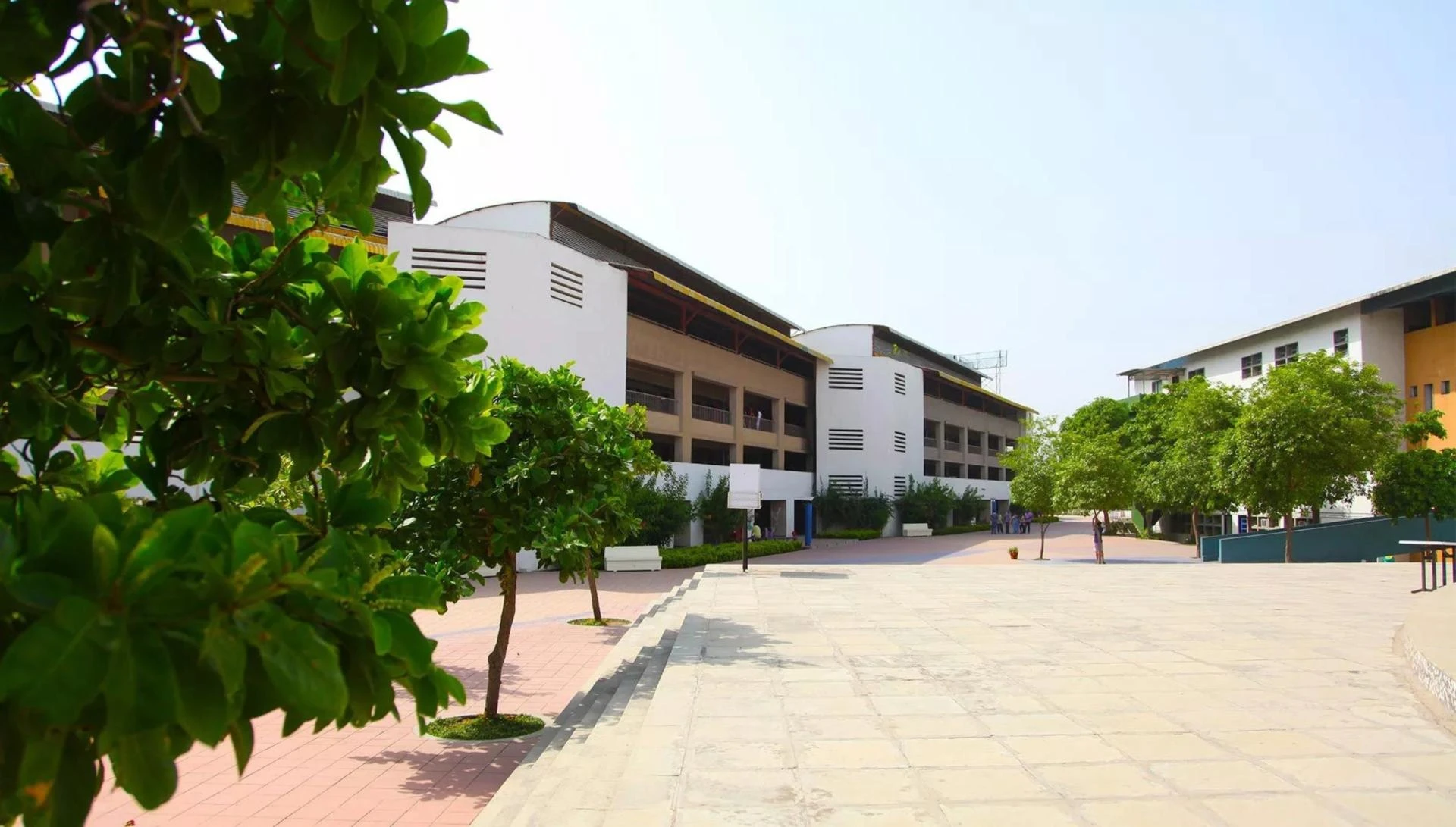
Among the best CBSE schools in Ahmedabad, Delhi Public School, Bopal integrates digital learning within a clearly defined academic framework.
At DPS Bopal, digital tools are used to support—not substitute—core instruction.
Smart Classroom Support
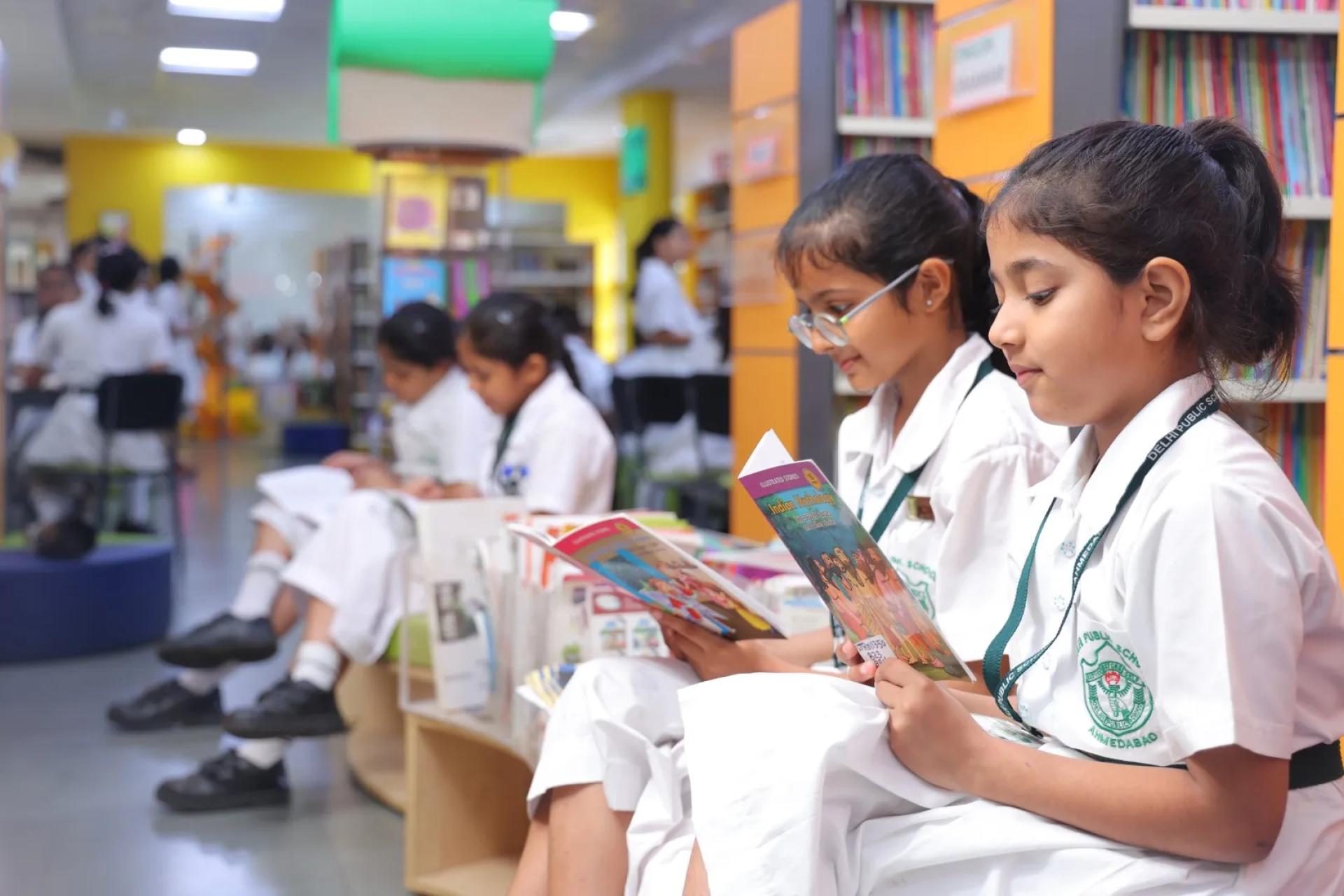
Digital boards and structured modules assist teachers in explaining concept-heavy subjects, supported by DPS Bopal’s upgraded smart classrooms and robotics programs, which enhance hands-on and visual learning.
Lessons begin with explanation, followed by visual reinforcement, and conclude with written consolidation. This ensures clarity without eliminating foundational academic practice.
Atal Tinkering Lab and Applied Innovation
The Atal Tinkering Lab provides students with exposure to robotics, design thinking, and problem-solving activities. These sessions complement classroom subjects by allowing students to apply concepts in practical formats.
Guided AI and Research Tools
AI-based resources are introduced in supervised contexts, particularly during project work and research assignments. Students are guided on how to use such tools responsibly while maintaining originality and analytical writing standards.
Academic Results Reflecting Structured Preparation
The academic impact of structured mentoring and disciplined digital use is reflected in the school’s documented CBSE 2025 outcomes.
Ishani Debnath secured a perfect 500 out of 500 in Grade XII CBSE Humanities(read: CBSE Topper Story 2025). In the same year, Shree Vaishnavi scored 97.6 percent, while Danusri Sreepathy and Leena Nitin Shiralkar secured 96.8 percent each.
These results demonstrate strong subject clarity within Humanities under structured academic oversight.
Parent feedback aligns with this balanced approach:
“Selecting this school is the best choice I have ever made for my child. DPS Bopal is the Best CBSE School in Ahmedabad. The teachers understood his strengths and guided him accordingly.”
— Mr. Sudeep Bhatia, Parent of Dev Bhatia, NEET State Topper
Choosing the Right Digital Learning Environment in 2026
As families review CBSE School Admissions in Ahmedabad 2026, digital infrastructure should be assessed in terms of academic structure rather than visibility. Smart boards, AI tools, and learning platforms add value only when they are integrated within lesson planning, supervised research, written assessments, and consistent mentoring.
Parents are encouraged to ask how digital tools are used in daily classrooms, how originality is maintained in assignments, and how performance data informs academic support. Schools that embed technology within discipline and teacher oversight are better positioned to maintain conceptual depth while adapting to modern learning methods.
Delhi Public School, Bopal demonstrates this measured approach by aligning digital learning with structured academic preparation and documented board outcomes.
Parents seeking clarity on digital practices, academic structure, and the CBSE admission procedure for 2026 can connect with DPS Bopal at 079 6818 1300 or visit https://dpsbopal-ahd.edu.in/ for more info.
Sign in to leave a comment.