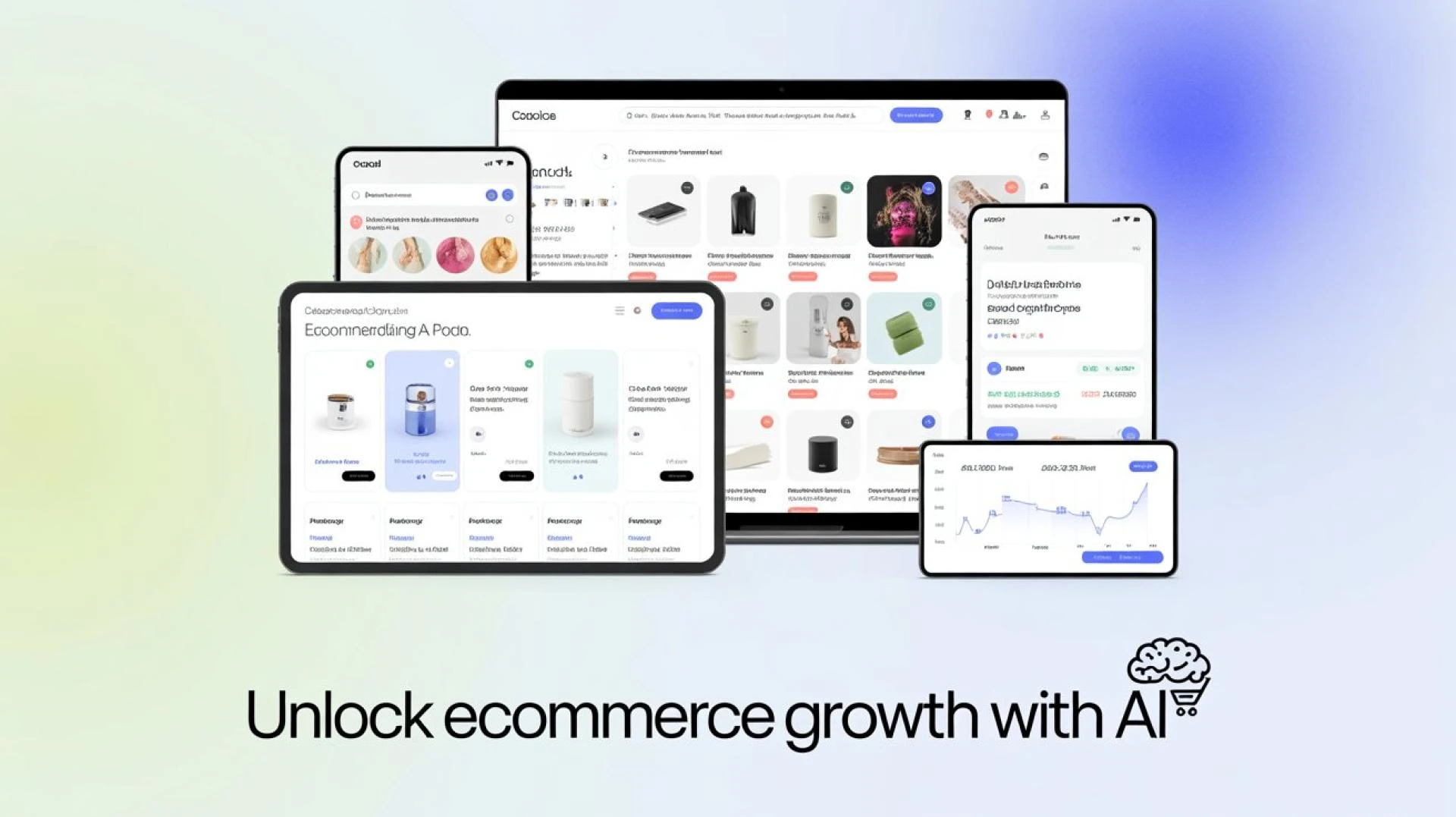
The world of online shopping is more competitive than ever. Customers have countless options, and businesses are constantly searching for ways to stand out. While marketing strategies and website design remain important, technology has taken the lead role in helping online stores boost sales. Artificial intelligence (AI) is at the heart of this transformation, driving smarter decisions and creating better customer experiences.
In this guide, we’ll explore how AI is helping eCommerce brands improve conversions, the tools making it possible, and the benefits of adopting this technology.
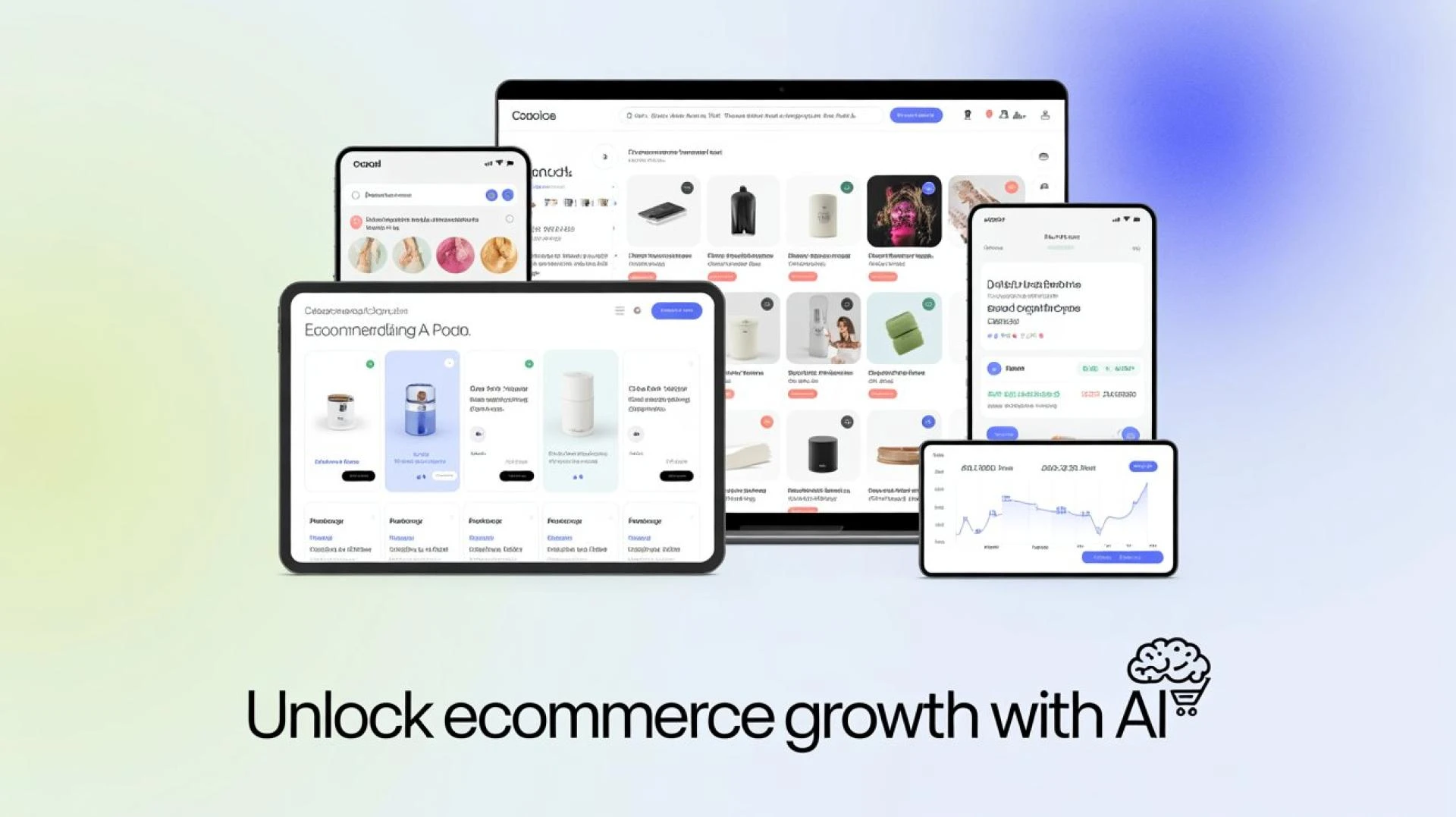
What AI Means for Online Stores
Artificial intelligence isn’t just a buzzword—it’s already reshaping how online stores operate. By learning from customer behavior, AI helps businesses predict what shoppers want, recommend products that match their interests, and make the entire buying journey smoother.
Instead of treating every visitor the same, AI tailors experiences, which increases customer satisfaction and, more importantly, conversion rates.
Key Ways AI Increases Conversions
1. Personalization at Scale
AI allows businesses to recommend the right products at the right time. This level of personalization—similar to how Netflix suggests movies or Amazon displays related products—makes customers feel understood and encourages more purchases.
2. Smarter Pricing Decisions
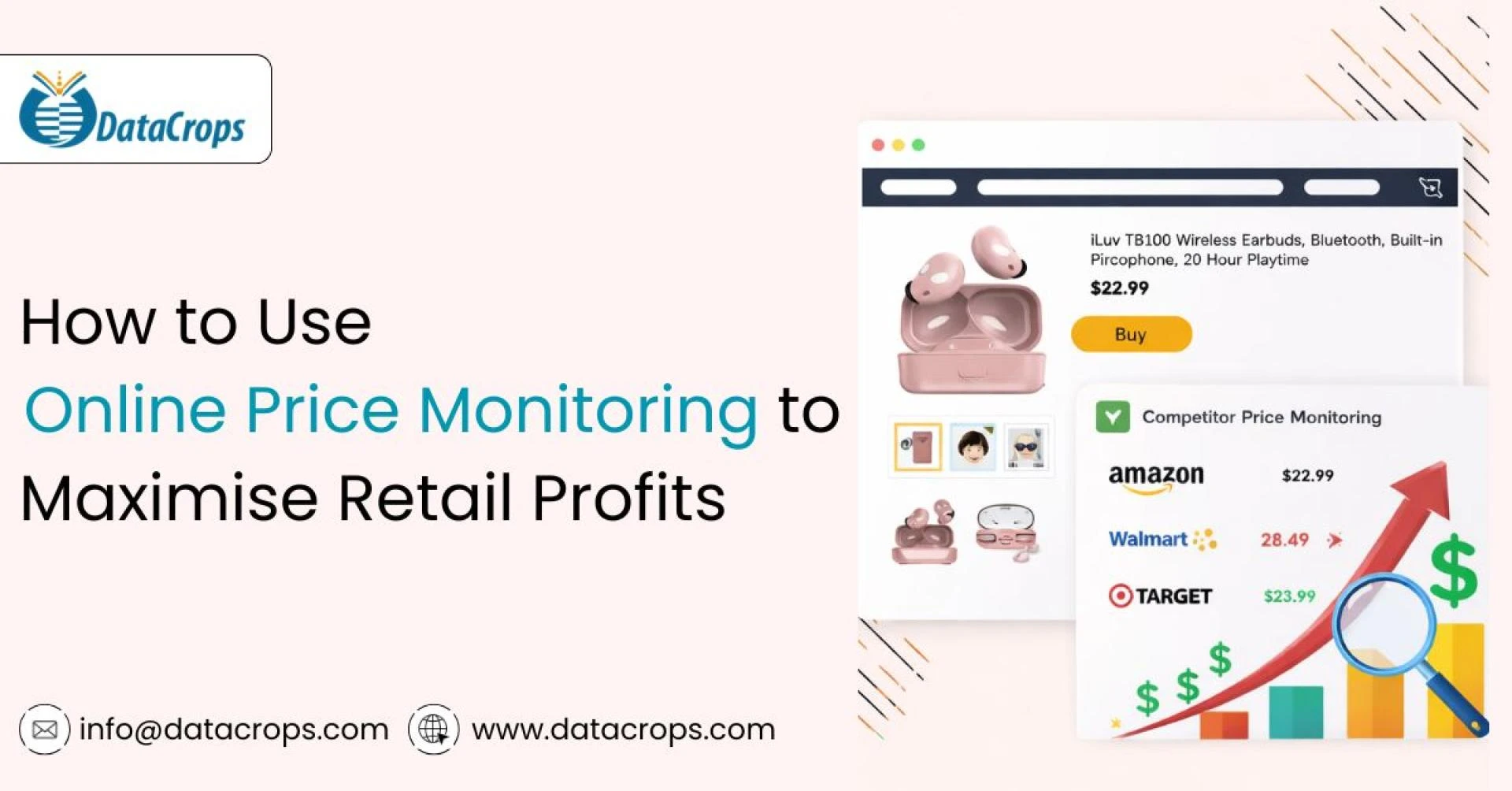
With AI-driven pricing tools, online retailers can monitor competitor prices and adjust their own in real time. This ensures they remain competitive while still protecting their profit margins. Shoppers are far more likely to buy when they believe they’re getting the best value.
3. Instant Customer Support
AI chatbots provide fast, round-the-clock assistance. Whether answering product questions, helping with returns, or giving order updates, automated support prevents customers from leaving their carts behind.
4. Predictive Insights
By analyzing large amounts of data, AI can forecast demand trends and customer preferences. Retailers can stock the right products ahead of peak seasons, reducing lost opportunities and increasing satisfaction.
5. Smarter Search Options
Visual search and voice-enabled shopping tools are changing how customers browse. A shopper can upload a photo or simply speak a command, making it faster and easier to find what they’re looking for. This removes friction and keeps the buying process smooth.
Examples of AI Tools Used in eCommerce
There are many AI-powered tools available today, but some of the most effective include:
- Dynamic Yield – Creates personalized recommendations for shoppers.
- Prisync – Tracks competitors’ pricing and suggests adjustments.
- ChatGPT-powered bots – Offers instant support through conversational AI.
- Clerk.io – Uses predictive analytics for smarter product suggestions.
- Drift AI – Helps with conversational marketing and customer engagement.
When applied correctly, these tools enhance the customer journey, keeping visitors engaged and more likely to convert.
Data: The Fuel Behind AI
The effectiveness of AI depends heavily on the quality of data. Every click, search, and purchase provides valuable insights. By collecting and analyzing this information, AI becomes more accurate in predicting what customers want.
At the same time, businesses need to remain transparent about data usage. Clearly communicating privacy policies helps build trust—a critical factor for increasing conversions.
Why Businesses Should Act Now
In today’s digital market, customers expect speed, personalization, and convenience. If your store doesn’t provide it, a competitor will. Incorporating ai tools for ecommerce ensures that you stay ahead by delivering experiences that truly connect with buyers.
AI isn’t about replacing human interaction—it’s about enhancing it. By making smarter recommendations, adjusting prices dynamically, and supporting customers in real time, AI makes the entire process of shopping online smoother and more enjoyable.
Conclusion
Artificial intelligence is no longer a future concept—it’s the present and future of eCommerce. From personalizing the shopping journey to predicting demand and ensuring competitive pricing, AI helps businesses convert more visitors into loyal customers.
Retailers who embrace AI now will not only improve conversions but also build stronger relationships with their audience. In a market where customer expectations keep rising, AI is the tool that ensures businesses stay ahead.


























Sign in to leave a comment.