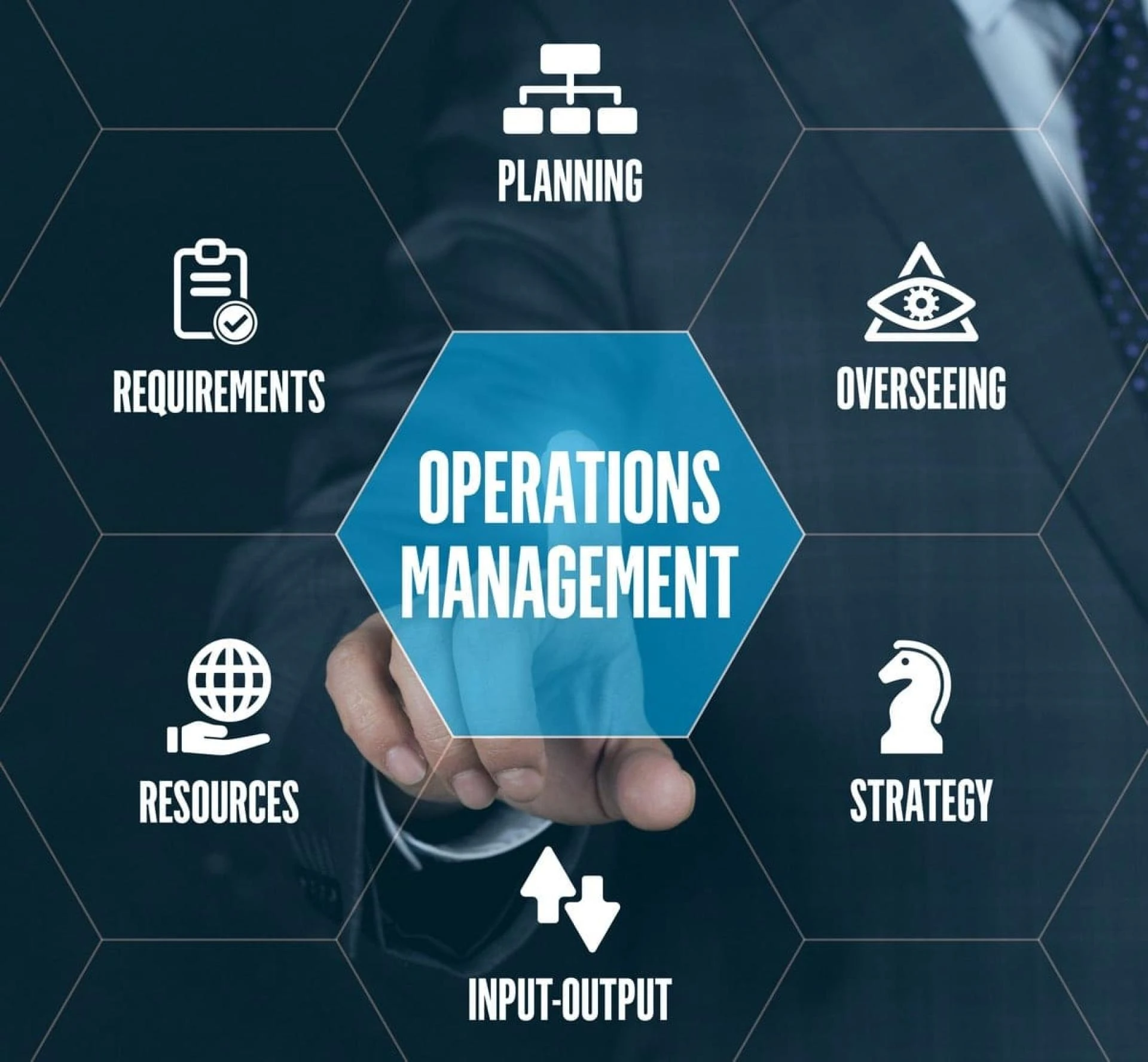
Effective resource management is essential for organizations striving to enhance productivity, reduce costs, and improve overall efficiency. In recent years, the advent of artificial intelligence (AI) has transformed how businesses approach resource management, particularly through the use of AI tools for operations management. These tools empower organizations to streamline processes, optimize resource allocation, and make data-driven decisions. This article explores the various ways AI tools are optimizing resource management in operations and the benefits they bring to businesses.
Understanding Resource Management in Operations
Resource management involves planning, allocating, and utilizing resources—such as human capital, equipment, materials, and finances—effectively to achieve organizational goals. In operations management, this process is critical as it directly impacts productivity, profitability, and customer satisfaction. Traditional resource management often relies on manual processes, spreadsheets, and historical data, which can lead to inefficiencies and missed opportunities.
The Role of AI in Resource Management
AI technologies offer advanced capabilities that can revolutionize resource management. By leveraging machine learning, predictive analytics, and automation, AI tools enable organizations to optimize their resource allocation, making them more agile and responsive to changing market conditions.
Key Benefits of AI Tools for Resource Management
1. Enhanced Data Analysis
AI tools can analyze vast amounts of data quickly and accurately. By processing historical performance data, market trends, and resource availability, these tools provide insights that inform better decision-making. Organizations can identify patterns and correlations that may not be apparent through traditional analysis methods.
2. Predictive Insights
One of the most significant advantages of AI tools is their predictive capabilities. By utilizing machine learning algorithms, organizations can forecast resource needs based on historical data and current trends. This allows businesses to anticipate demand fluctuations, manage inventory levels efficiently, and allocate resources proactively.
3. Automation of Routine Tasks
AI tools can automate repetitive and time-consuming tasks related to resource management, such as data entry, scheduling, and reporting. This not only reduces the administrative burden on employees but also minimizes the risk of human error. With routine tasks automated, organizations can focus on strategic initiatives that drive growth.
4. Real-Time Monitoring
AI tools provide real-time monitoring of resources, enabling organizations to track usage, performance, and availability. This visibility allows managers to make informed decisions on resource allocation as conditions change, ensuring optimal utilization at all times.
5. Improved Resource Allocation
AI tools optimize resource allocation by analyzing data related to workload, skill sets, and project requirements. By identifying the best fit for each task, organizations can maximize the effectiveness of their workforce and minimize downtime.
6. Better Collaboration and Communication
AI tools facilitate collaboration among teams by providing a centralized platform for information sharing. This enhances communication and ensures that all team members are aligned on resource management strategies. Improved collaboration can lead to more efficient project execution and better resource utilization.
How AI Tools Optimize Resource Management in Various Operations
1. Supply Chain Management
In supply chain management, AI tools can analyze demand patterns and inventory levels to optimize stock levels and reduce excess inventory. By predicting demand fluctuations, organizations can adjust their procurement strategies and ensure they have the right resources available at the right time. This minimizes waste and enhances overall efficiency.
2. Workforce Management
AI tools play a crucial role in workforce management by analyzing employee performance, availability, and skill sets. By utilizing predictive analytics, organizations can forecast staffing needs based on project requirements and workload. This ensures that the right number of employees with the appropriate skills are available when needed.
3. Manufacturing Operations
In manufacturing, AI tools can optimize machine utilization by monitoring equipment performance and predicting maintenance needs. By analyzing data from machinery, organizations can schedule maintenance proactively, reducing downtime and ensuring that production processes run smoothly.
4. Financial Resource Management
AI tools can enhance financial resource management by analyzing spending patterns and identifying cost-saving opportunities. By providing insights into budget allocation and expenditure trends, organizations can optimize their financial resources and make informed investment decisions.
5. Project Management
AI tools improve project management by providing real-time insights into resource allocation, project timelines, and task dependencies. By analyzing data from ongoing projects, organizations can adjust resource allocation dynamically, ensuring that projects stay on track and within budget.
Challenges in Implementing AI Tools for Resource Management
While the benefits of AI tools for operations management are significant, organizations may face several challenges during implementation:
1. Data Quality and Integration
The effectiveness of AI tools relies heavily on the quality and availability of data. Organizations must ensure that they have accurate, up-to-date data for AI algorithms to produce reliable insights. Additionally, integrating AI tools with existing systems can be complex and may require significant investment in data management infrastructure.
2. Change Management
The introduction of AI tools can lead to changes in workflows and processes, which may meet resistance from employees. Organizations must manage this change effectively by providing training and support to ensure that employees understand the benefits of AI tools and how to use them.
3. Skill Gaps
Implementing AI tools requires a workforce with the necessary skills to leverage these technologies effectively. Organizations may need to invest in training programs to develop employees’ capabilities in data analysis and AI tool utilization.
4. Ethical Considerations
As AI tools become more integrated into resource management, organizations must address ethical considerations, particularly regarding data privacy and bias. Establishing clear guidelines for AI usage can help mitigate these concerns and ensure responsible practices.
Strategies for Successful Implementation of AI Tools
To successfully implement AI tools for resource management, organizations can adopt several strategies:
- Define Clear Objectives:
- Establish clear goals for what the organization aims to achieve with AI tools. This will guide decision-making and help measure success.
- Involve Stakeholders:
- Engage employees and other stakeholders early in the implementation process. Their insights can help shape the selection and deployment of AI tools.
- Invest in Data Management:
- Ensure that data quality is a priority by investing in data management practices. This includes establishing protocols for data collection, storage, and analysis.
- Provide Training and Support:
- Offer comprehensive training programs to equip employees with the skills needed to effectively use AI tools. Ongoing support can help employees feel confident in leveraging these technologies.
- Monitor and Evaluate:
- Regularly assess the effectiveness of AI tools in optimizing resource management. Use defined metrics to evaluate performance and make adjustments as needed.
Conclusion
AI tools for operations management are revolutionizing resource management across industries. By enhancing data analysis, providing predictive insights, and automating routine tasks, these tools empower organizations to optimize their resources and improve overall efficiency. While challenges exist, organizations that embrace AI tools can unlock new levels of productivity and adaptability in an increasingly competitive landscape. With careful planning and a commitment to continuous improvement, businesses can harness the power of AI to transform their resource management practices.



























Sign in to leave a comment.