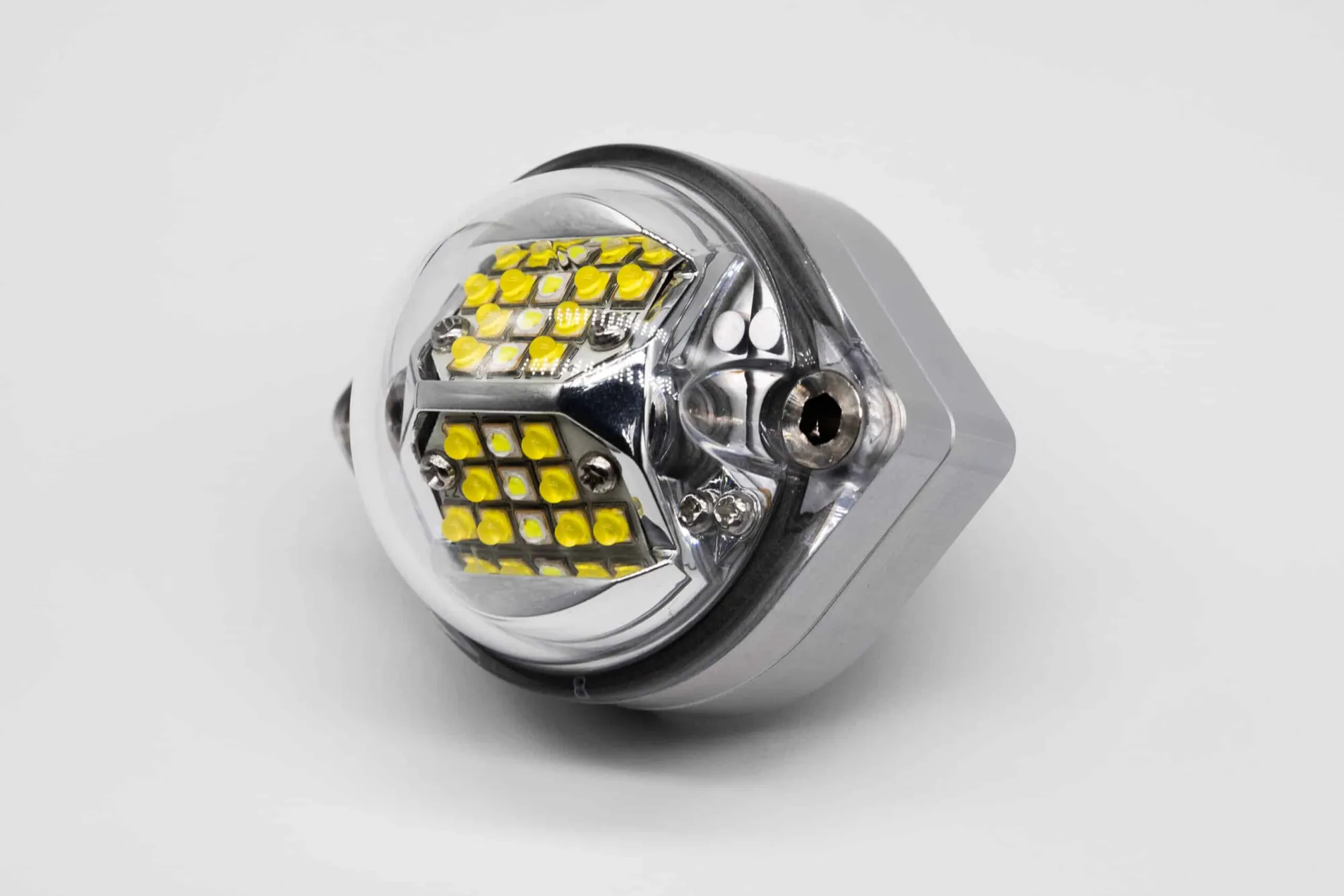

Navigation lights in aircraft may seem like small components, but they play a critical role in aviation safety. Whether an aircraft is flying at night, operating in poor weather, or moving on the ground, these lights help pilots and air traffic controllers maintain awareness. They provide clear visual signals that support safe operations every hour of the day.
Why Navigation Lights Matter in Aviation
1. Improve Aircraft Visibility: Navigation lights make aircraft easier to spot in the sky, especially during nighttime flights and low-visibility conditions such as fog, rain, or clouds.
2. Help Identify Flight Direction: The standard red, green, and white lighting configuration allows pilots to determine the direction another aircraft is traveling. This helps reduce confusion and improves situational awareness.
3. Support Collision Avoidance: By clearly indicating an aircraft’s position and movement, navigation lights help pilots maintain safe separation from other aircraft in busy airspace.
4. Enhance Ground Operations: These navigation lights in aircraft are equally important during taxiing, takeoff, and landing. They help ground crews and nearby aircraft identify moving aircraft on runways and taxiways.
5. Ensure Regulatory Compliance: Aircraft navigation lights are required under aviation regulations and must function properly to support safe and compliant flight operations.
6. Boost Safety in All Conditions: From commercial airliners to military and private aircraft, reliable navigation lighting contributes to safer operations around the clock.
Navigation lights in aircraft are a simple yet essential safety feature that helps keep aircraft visible, identifiable, and safe during every phase of flight.
Need dependable aircraft lighting solutions? NAASCO provides FAA-approved aircraft lighting components, repair services, overhauls, and advanced LED upgrade options designed to enhance safety & reliability.
Get in touch with us!























Sign in to leave a comment.