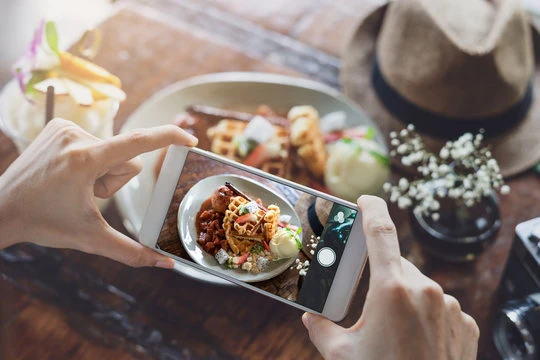

What Is an AI Product Photo Generator?
An AI Product photo generator is software that creates product images using artificial intelligence. Instead of hiring photographers, setting up studios, and editing endlessly, brands can generate realistic visuals in seconds.
It’s like having a virtual photography studio that never sleeps. Businesses upload an item or description, and the system produces professional-quality images. Clean, polished, ready to use.
Think about it. You sell sneakers online. Normally, you’d need lighting, props, and a background. With AI, you just choose the style, background, and mood. The output? A photo that looks as if it came from a glossy magazine.
Why Is AI Changing Product Photography?
Time is money. Traditional photography is expensive and time-consuming. Booking photographers, renting equipment, editing, and reshoots add up.
An AI Product photo generator eliminates much of that. It allows small businesses to compete with big brands.
Here’s why companies are shifting toward AI-driven visuals:
- Speed – Generate dozens of images in minutes.
- Cost Savings – No need for constant studio setups.
- Scalability – Create product variations for different campaigns.
- Customization – Backgrounds, lighting, and styles tailored instantly.
It’s not about replacing creativity. It’s about enhancing it.
Who Uses AI Product Photo Generators?
From e-commerce startups to established brands, nearly everyone is experimenting with this technology.
- Online stores use it for catalogs.
- Restaurants adopt it for menu designs and promotions.
- Tech companies showcase gadgets with futuristic AI-generated images.
- Fashion retailers test different seasonal looks without reshoots.
And in the food industry? That’s where ai food photography shines brightest.
The Rise of AI Food Photography
Food is one of the hardest things to photograph. Lighting melts ice cream. Drinks lose fizz. Burgers slump after a few minutes.
That’s where ai food photography makes a difference. Instead of struggling to capture the perfect shot before the fries turn soggy, AI generates flawless visuals every time.
Restaurants and food delivery apps are now turning to AI. The results are mouth-watering images that spark cravings instantly.
Storytelling With AI in Food Ads
Let’s imagine a small pizzeria. They want to advertise a new pizza flavor. Normally, they’d need photographers, props, and a long setup.
Instead, they use ai food photography. They select the crust style, toppings, and background—a cozy kitchen, or maybe a modern dining table. The result? Realistic images that make viewers hungry.
It’s not fake food. It’s a digital version designed to trigger appetite. The story remains the same: delicious, inviting, shareable.
How Does an AI Product Photo Generator Work?
The process is simpler than most people think.
- Input – Upload a product image or description.
- Select Style – Choose background, setting, and tone.
- AI Processing – The system uses trained data to render realistic images.
- Output – Download professional images in seconds.
This workflow saves brands hours of labor. It’s also flexible. One product can appear in multiple environments—summer, winter, beach, office—without reshooting.
Benefits of AI Food Photography
Food businesses gain more than just pretty pictures. They gain consistency and control.
Advantages include:
- Perfect Lighting – No stress over dim restaurants or cloudy days.
- Clean Presentation – AI removes distractions and clutter.
- Endless Styling – Create multiple versions of the same dish.
- Social Media Ready – Optimize instantly for Instagram, TikTok, or ads.
For example, a coffee shop could generate warm, rustic shots for Facebook ads, then sleek, modern ones for their website. Same latte, different mood.
Comparing Traditional vs AI Product Photography
Let’s be honest. Traditional photography has its charm. Human photographers capture emotion, detail, and unique perspective.
But when budgets are tight or speed is essential, AI wins.
AspectTraditional PhotographyAI Product Photo GeneratorCostHigh (studio, staff, editing)Low (software-driven)TimeDays or weeksMinutesConsistencyMay varyHighly consistentScalabilityLimitedUnlimited
Still, many brands blend both approaches—using photographers for major campaigns and AI for everyday content.
Real-Life Applications
- E-commerce Platforms – Sellers on Amazon and Shopify rely on AI visuals to showcase multiple angles.
- Food Delivery Apps – Uber Eats and DoorDash style their menus with ai food photography.
- Local Businesses – A florist, for instance, can display bouquets in seasonal backdrops instantly.
- Marketing Agencies – They save hours of editing by using generators for mock-ups.
It’s not science fiction. It’s already happening.
Challenges and Limitations
AI isn’t flawless. Sometimes results can look too perfect. That “plastic food” effect might push audiences away.
Other challenges include:
- Lack of human emotion in shots.
- Over-reliance on AI leading to generic results.
- Ethical debates about authenticity.
That’s why balance is key. Use AI for efficiency, but keep human creativity to preserve authenticity.
Best Practices for Using AI Product Photo Generators
If you’re planning to adopt AI for visuals, here’s what works best:
- Start Small – Test with a few products.
- Define Your Brand Style – Consistency matters more than variety.
- Mix Human + AI – Use AI for quick campaigns, photographers for big launches.
- Review Outputs – Never publish without checking details.
- Use AI Food Photography Wisely – Avoid over-editing. Keep it realistic.
Done right, AI becomes a powerful creative partner, not just a tool.
Future of AI in Product and Food Photography
The future looks fast, flexible, and hyper-personalized.
Imagine customers browsing an online store. Instead of one static photo, they see products rendered in the exact environment they prefer—a sofa placed in their living room, a burger shown with their favorite drink.
ai food photography may even evolve to create dynamic ads. Videos, animations, or 3D renders that look real enough to eat.
And with the pace of AI innovation, businesses will soon generate entire ad campaigns without ever stepping into a studio.
Why Consumers Respond to AI-Enhanced Photos
Visuals influence psychology. People crave clarity. When they see crisp, styled photos, trust increases.
AI-generated photos often remove distractions, focus on the main subject, and highlight desirable features. That makes products look premium, even if they aren’t expensive.
For food, appetite appeal is everything. Warm lighting, glossy textures, and vibrant colors trigger hunger. AI masters these details in seconds.
Common Misconceptions
Some people worry that an AI Product photo generator produces fake or misleading content. But in reality, most brands use it responsibly.
- It doesn’t mean products are altered beyond recognition.
- It’s not replacing photographers—it complements them.
- It doesn’t reduce creativity; it opens new doors.
Think of it as a smarter camera, not a dishonest one.
Case Study: A Local Bakery
A bakery in Chicago wanted to promote seasonal pastries. Hiring a photographer every month was costly. So they tried ai food photography.
They uploaded base images of their pastries. Then generated variations—fall themes with pumpkins, winter setups with cozy mugs, spring gardens in the background.
Sales rose 25% within three months. Customers felt drawn to the freshness and variety of visuals. The bakery saved thousands of dollars in production costs.
That’s how AI transforms small businesses.
Will AI Replace Photographers?
No. Not entirely.
Photographers bring vision, emotion, and originality that AI can’t fully mimic. Human creativity drives concepts, campaigns, and storytelling.
But AI will handle the repetitive side of things. Editing, retouching, background changes. That gives photographers more time for actual creativity.
So instead of replacing them, AI becomes their assistant.
Conclusion
An AI Product photo generator is no longer a futuristic tool—it’s today’s business ally. It helps brands create professional, scalable, and consistent visuals without breaking the bank.
Meanwhile, ai food photography is redefining how restaurants, cafes, and delivery services attract customers. It solves challenges that traditional food photography struggles with, making dishes look fresh and irresistible at any time.
The future is a mix of human imagination and AI efficiency. One brings heart. The other brings speed. Together, they’re shaping the next era of visual marketing.
So whether you’re a small business owner or a global brand, the message is clear: use AI, but keep the human touch.
Because in the end, great photos don’t just sell products. They sell experiences.




















Sign in to leave a comment.